Home Snacks Homemade Fruit Leather Recipe
Snacks
Homemade Fruit Leather Recipe
Making Homemade Fruit Leather is one of the best ways to use up overripe fruit - it turns them into chewy snacks my kids love!
- Prep10 min
- Total10 min
- Serves24
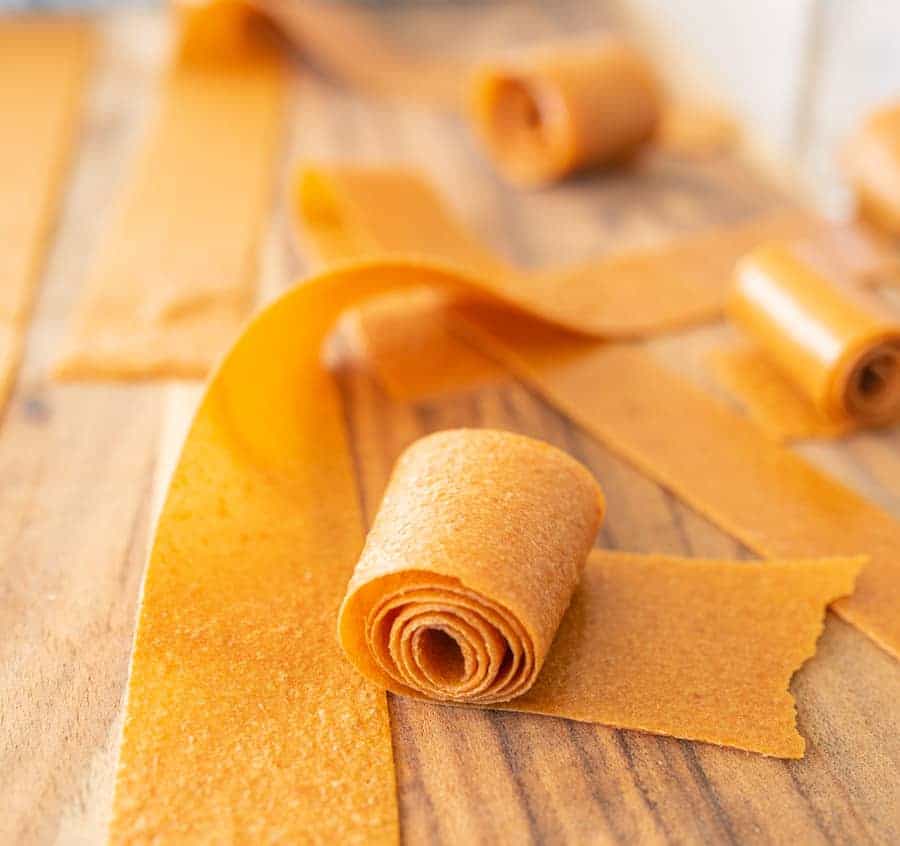
MakingHomemade Fruit Leatheris one of the best ways I’ve found to use up overripe fruit. It turns soft peaches, mushy berries, and overripe mangoes into something my kids actually get excited about!
Quick Recipe Overview
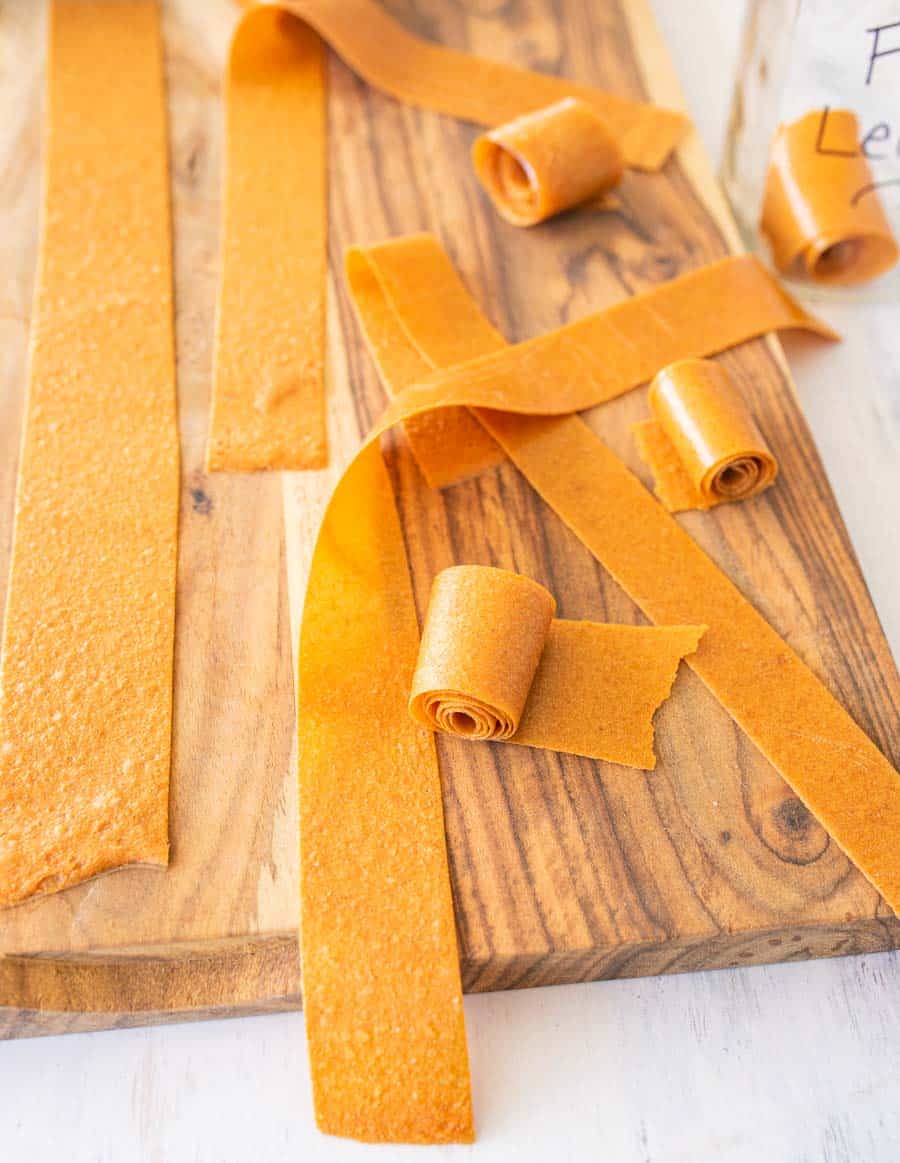
WHAT:Homemade fruit leather made from blended fruit puree dried in your oven until chewy and pliable.
WHY:Turns fresh or frozen fruit into healthy, portable snacks without added preservatives or artificial ingredients.
HOW:Blend fruit smooth, spread thin on parchment paper, then bake at low temperature until no longer tacky.
Why You’ll Love this Homemade Fruit Leather Recipe
- Easy and fun to make
- The recipe can use any fruit you have on hand! The flavor combos are endless!
- You do not need a food dehydrator! Your oven will do just fine.
🩷
Making fruit leather in the oven is a fun and simple way to preserve seasonal fruit and one of your favorite treats to make for traveling, hiking, or school lunches.
You don’t need a dehydrator for this homemade fruit leather recipe, just your oven! A blender makes quick work of the pureeing and you can make just about any fruit combinations you like.
This fun and easy snack to make will be a hit with the kids, and adults! You can even roll up the fruit leather to make your own homemade fruit by the foot!
Ingredient Notes
Fruit:You have so much flexibility with this recipe. You can use one fruit or a combination of fruits. And fun fact, you can even use frozen fruit or fresh fruit! I tend to make fruit leather when I have a bumper crop of something and need a way to preserve them besides freezing or canning.
Sugar:This is an optional ingredient and will depend on your tastes as well as how sweet your fruit was to start with. You don’t have to include added sugar but sometimes a little really makes for a lovely end product. You can also use honey or maple syrup as a natural sweetener instead of white sugar for added sweetness.
Lemon juice:I like to use just a little to help preserve the color of the fruit. Using just a bit of lemon juice helps apricot, apple, peach, or pear fruit leather to not turn totally brown from oxidation. It also adds a nice balance to sweet fruits.
Additions:You can add things to your fruit leather to make it your own like cinnamon or even fresh ginger. Try warming spices like nutmeg or cloves with apple or pear leather, or add vanilla and other extracts for depth of flavor. Banana and kiwi are also great additions to tropical fruit blends.
One tip I always share:The riper your fruit, the better your fruit leather will taste and the sweeter it’ll be naturally. If your fruit is beautifully ripe, you may not need to add any sugar at all!
See recipe card below for full information on ingredients and quantities.
Favorite Flavors for Homemade Fruit Leather
- Apples plus dash of cinnamon
- ¾ peaches with ¼ mixed raspberries and/or blackberries
- ¾ apricots with ¼ blueberries
How To Make Homemade Fruit Leather
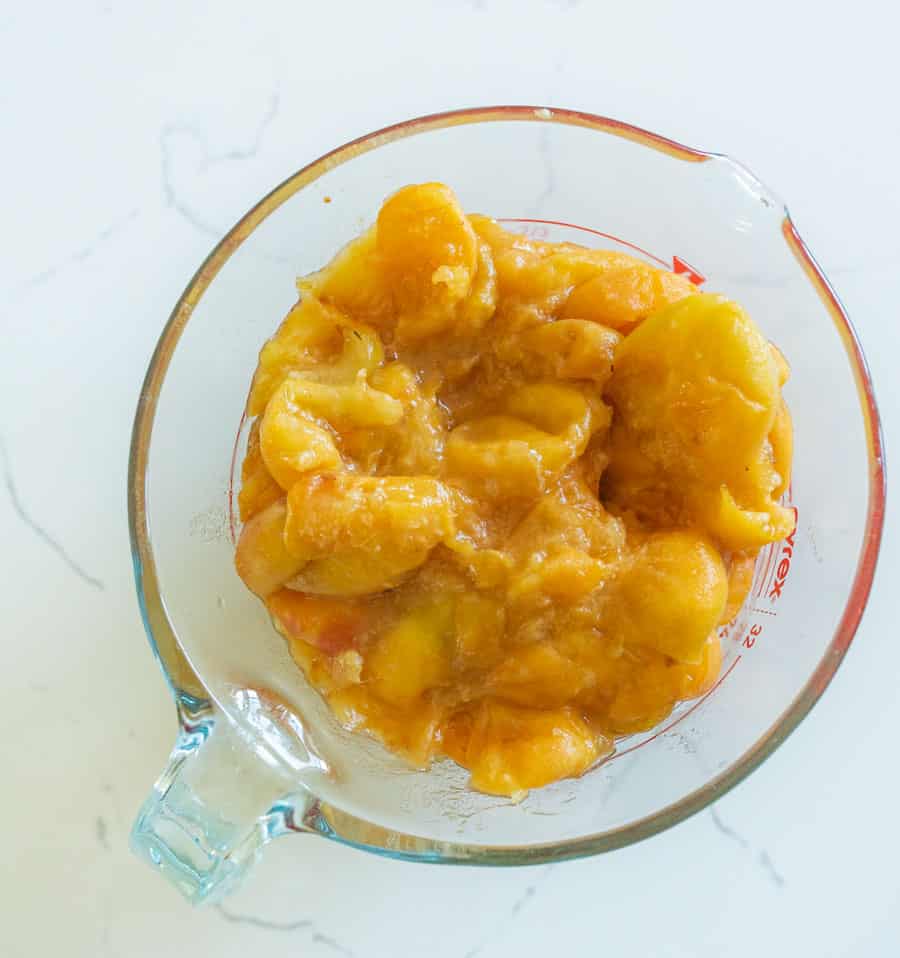
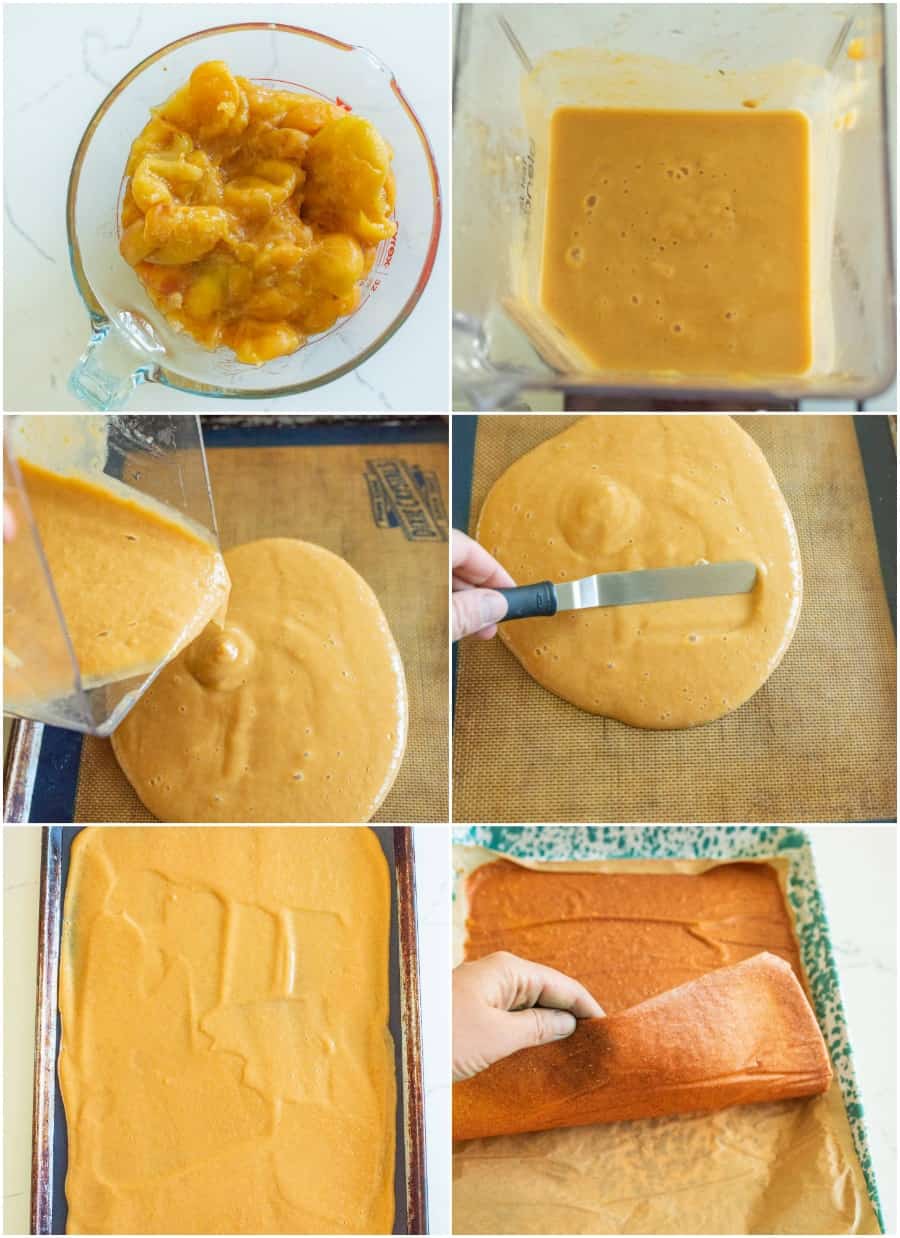
Step 1:Wash fruit and remove large pits or seeds (apple cores, peach pits, etc.). Cut larger pieces into quarters. Small berry seeds can stay.
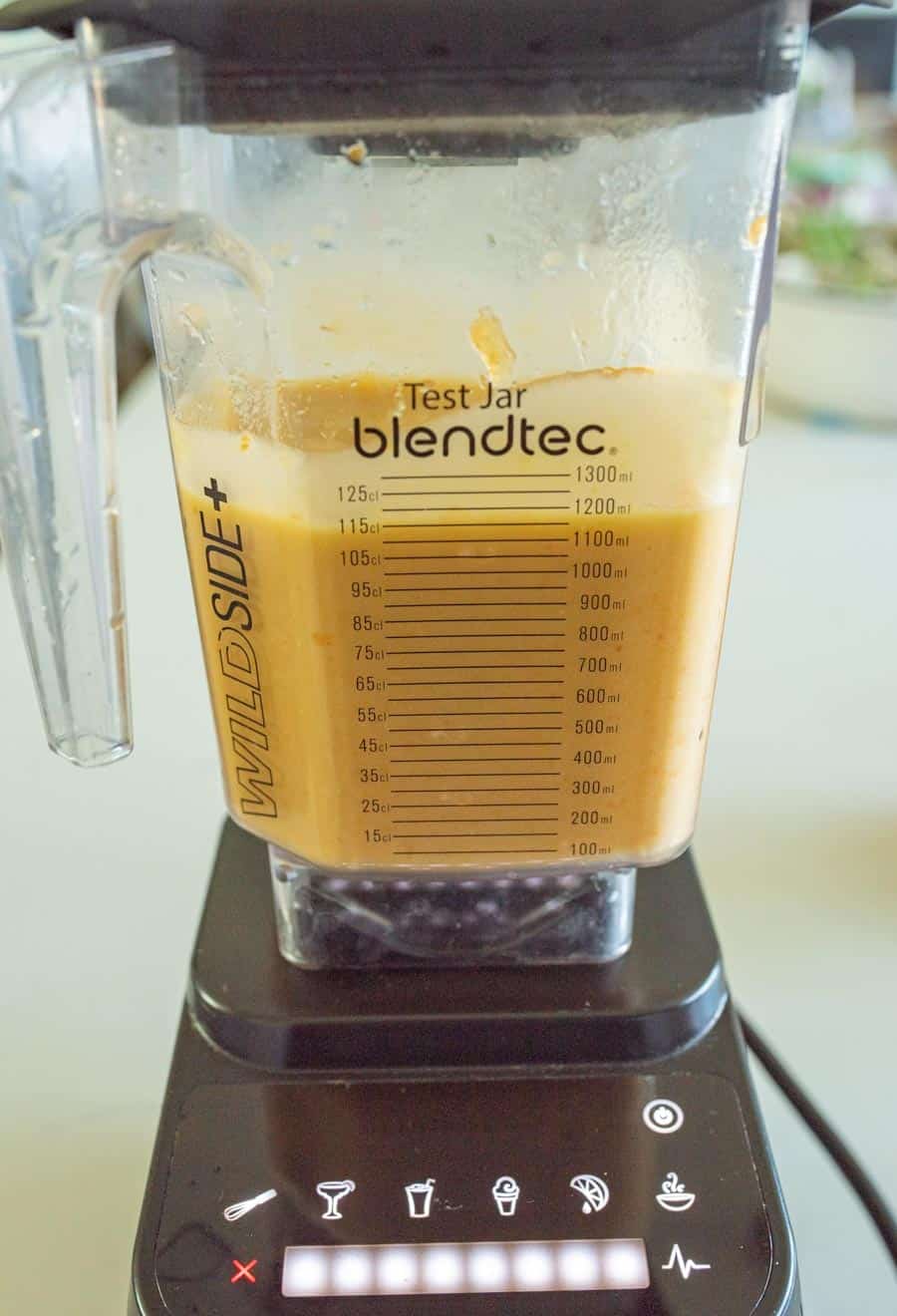
Step 2:Combine fruit and lemon juice in your blender. Process until completely smooth, adding water one tablespoon at a time only if needed. You can also use a food processor if you don’t have a blender – both will give you a smooth consistency. Taste and blend in sugar if desired.
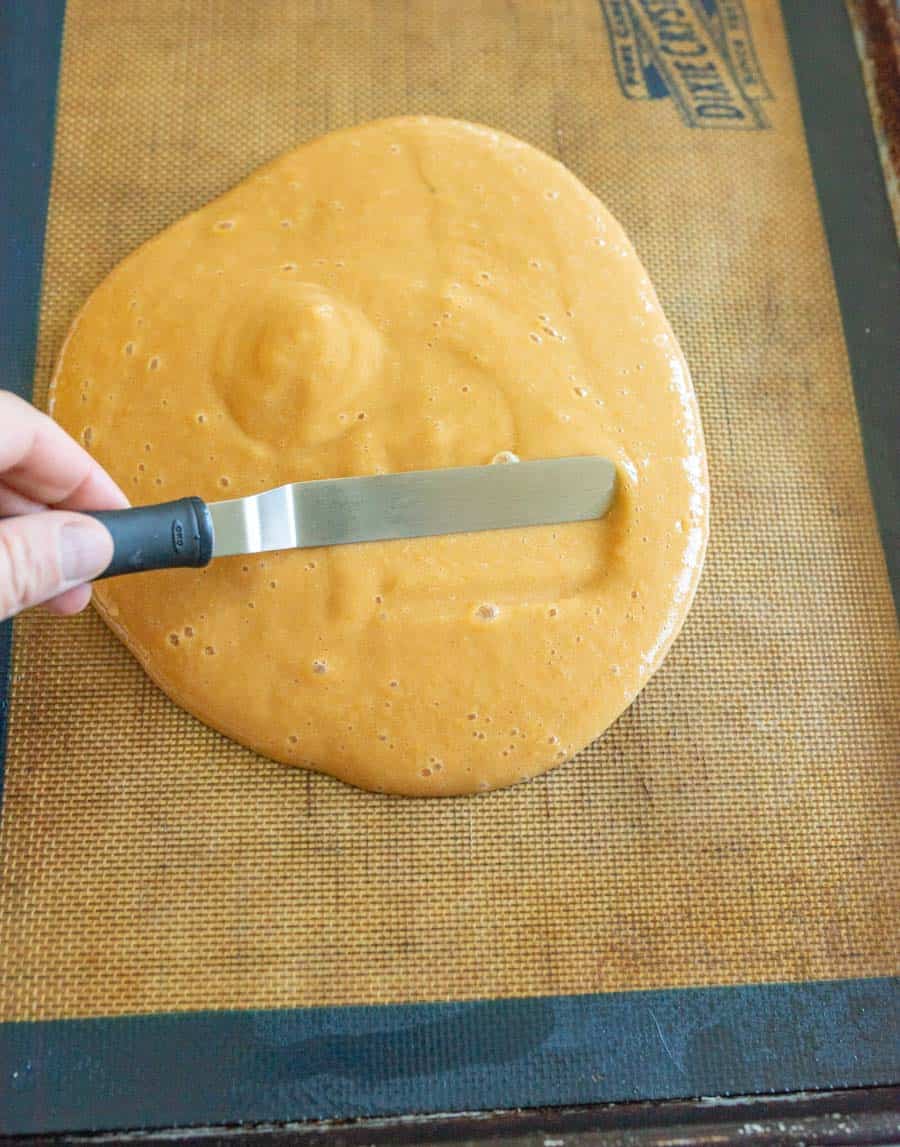
Step 3:Place the baking mats, parchment paper, or wax paper on a lined baking sheet. Pour the fruit puree evenly between pans and spread into thin, even layers using a spatula, staying within the paper edges.
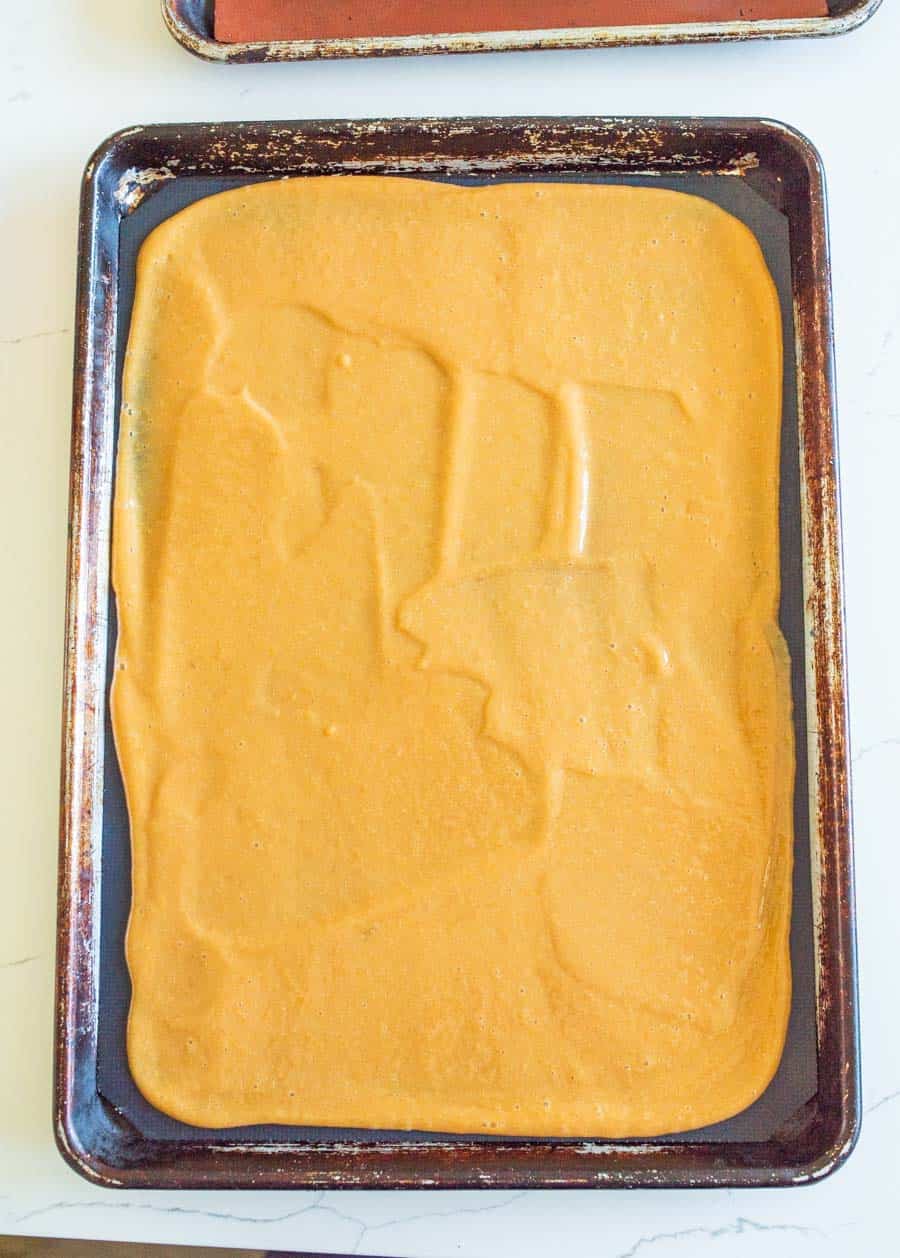
Step 4:Position racks in upper-middle and lower-middle of oven. Place pans in oven and set temperature to lowest setting (170°F ideal). Bake 3-6 hours until no longer tacky, rotating pans halfway through.
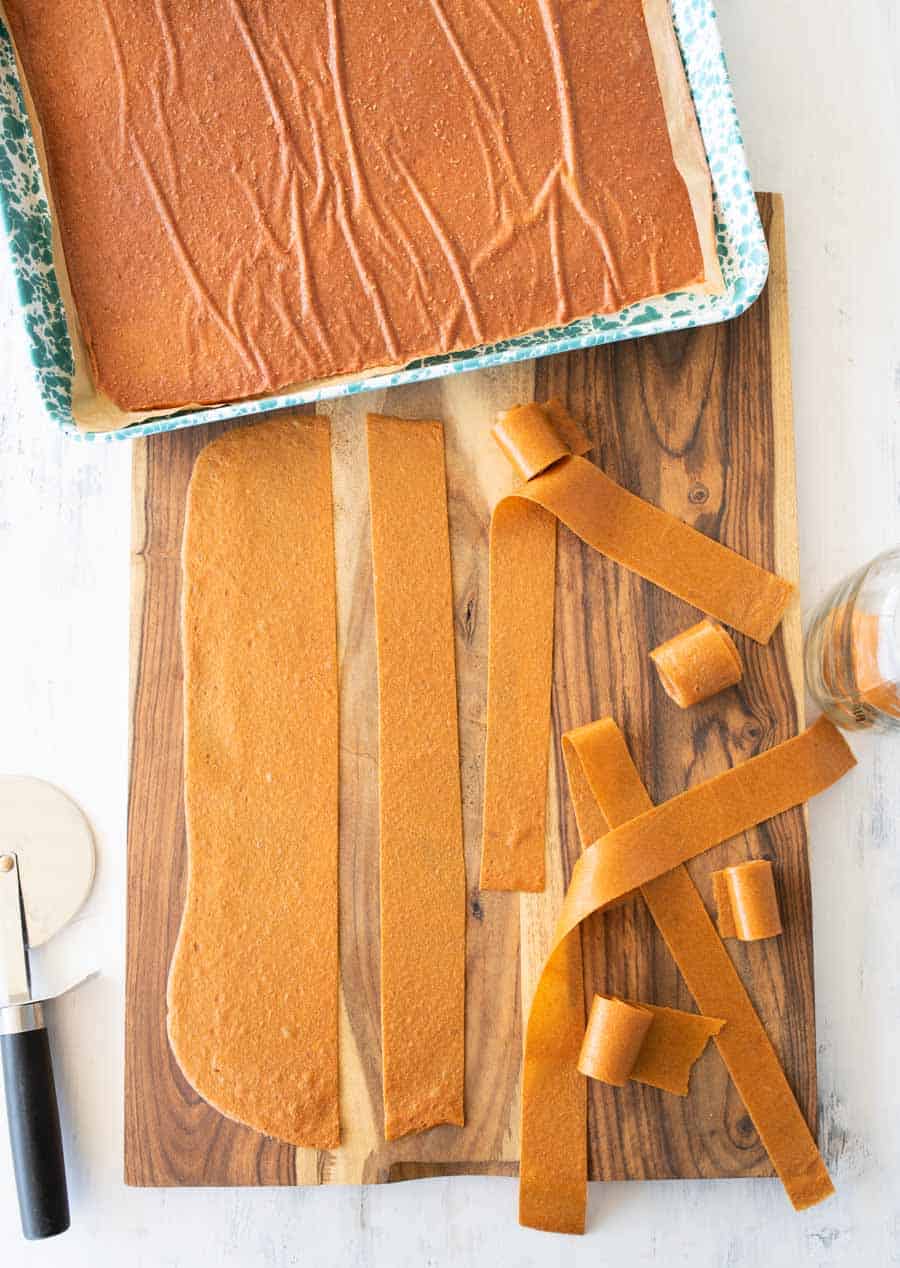
Step 5:Let pans cool completely. Cut fruit leather and parchment together into 1-inch strips with kitchen shears, or peel from baking mat and cut with pizza cutter.
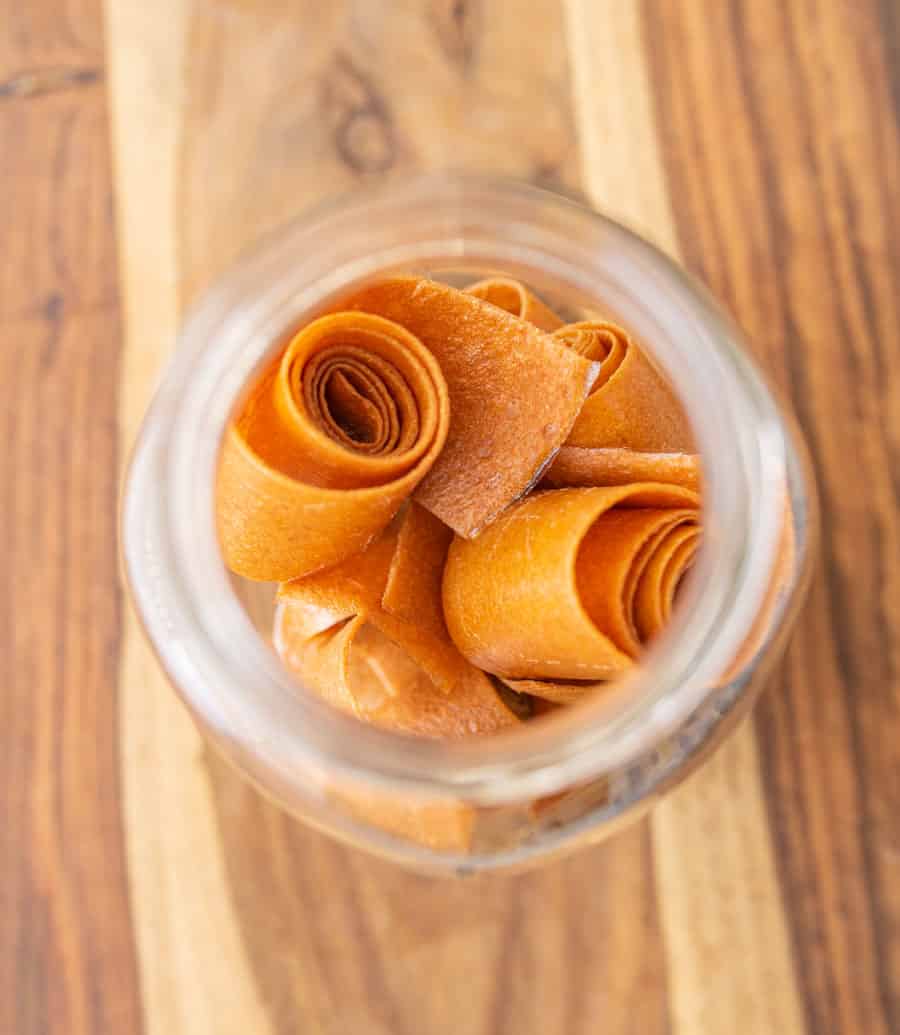
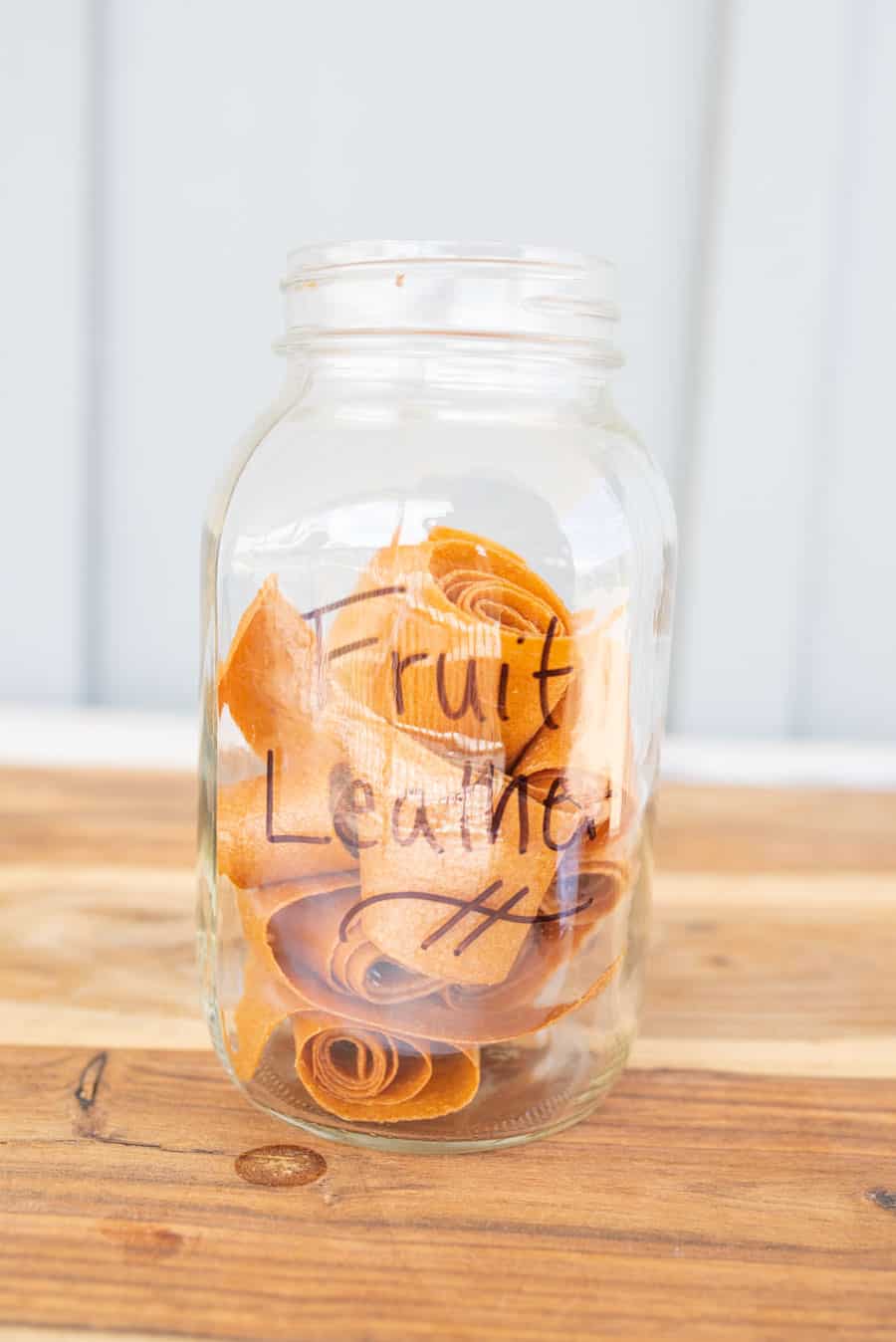
Step 6:Roll strips individually and store in an airtight container at room temperature for up to a week.
Silicone Mat vs. Parchment Paper: Which Should You Use?
Both work great, but here’s the difference:
Silicone baking mat
Peel the cooled fruit leather off the mat, place it on a cutting board, and use a pizza cutter to slice it into 1-inch strips. Roll them up and store in an airtight container.
Parchment paper
My personal favorite for lunches! Use kitchen shears to cut right through the parchment paperandthe fruit leather together into 1-inch strips. You end up with homemade “fruit by the foot” that kids can peel themselves. It’s less likely to stick together and makes packing lunches so easy.
FAQs for Homemade Fruit Leather
What fruit is best to use with fruit leather?
Any fruit you have; the flavor combinations are endless! I love to use a base of peaches or apricots. Apples, mangos, cherries, blackberries, raspberries, and blueberries are also great!
How do I store fruit leather?
Rolled up fruit leather can be kept in a glass mason jar with a lid or in an air-tight container.Fruit leather can be kept in the pantry for about 2 weeks. For longer storage, I’ll keep it in the fridge to ensure it doesn’t mold.If you live somewhere humid, skip the pantry and keep your fruit leather in the fridge in an air-tight container. You can also wrap individual rolls in plastic wrap before storing.”
Why is my fruit leather sticky after baking?
It likely needs more drying time, or the puree was spread unevenly. Thicker spots take longer to dry. You can leave it in the turned-off oven overnight to finish drying. Adding too much sugar can also make it stay tacky – stick to 4 cups of fruit with no more than ⅓ cup sugar.
Can I Use a Dehydrator?
Yes! If you have a food dehydrator, this recipe works perfectly with it. Just follow your dehydrator’s guidelines for the timing and temperature settings specific to fruit leather. The recipe itself doesn’t change at all — you’re just using a different drying method.
My Best Tips for Making Homemade Fruit Leather
☞Spread Evenly:Use an offset spatula to create a uniform thickness (about ⅛ inch). Uneven spreading means some parts dry while others stay tacky.
☞Skip the Water:Only add water if your blender absolutely won’t process the fruit. Less liquid means faster drying time and more concentrated flavor.
☞Rotate Your Pans:Switch pan positions halfway through baking to ensure even drying, especially if your oven has hot spots.
☞Test for Doneness:The Fruit Leather should feel dry to the touch but still pliable. If it’s brittle, you’ve gone too far and made fruit chips instead.
☞Roll Immediately:Cut and roll the Fruit Leather while it’s still slightly warm for easier handling and neater rolls.
☞Mix and match!Some of my favorite combinations: strawberry-peach, blueberry-lemon, and mango-raspberry.
☞Stock your freezer.Grab bags of frozen fruit when they’re on sale and you can make fruit leather any time of year.
What to Serve With Homemade Fruit Leather
Pack fruit leather strips inlunch boxesalongsidesandwichesand carrot sticks for an easy sweet treat. They’re perfect for road trips, hiking snacks, or after-school fuel. Pair with cheese cubes andcrackersfor a balanced snack plate, or add tobreakfast boardswith yogurt and granola. These beatstore-boughtversions every time – roll them up in cellophane bags with ribbon for teacher appreciation or holiday treats.
Storage & Reheating Tips
Room temperature
Store rolled fruit leather in an airtight container for up to 1 week. Keep away from heat and direct sunlight.
Refrigerator Storage
Extend freshness up to 1 month by refrigerating in sealed containers. The leather may firm up slightly but will soften at room temperature.
Freezer Storage
Freeze rolled strips in freezer bags for up to 6 months. Thaw at room temperature for 10-15 minutes before eating.
Make-Ahead
Prepare fruit puree up to 2 days ahead and refrigerate until ready to spread and dry. The dried fruit leather actually stores better than fresh fruit, making it perfect for meal prep.
Rehydrating
If fruit leather becomes too dry or brittle, place a damp paper towel in the container for a few hours to restore flexibility.
Similar Recipes to Try
- Healthy Rainbow Popsicles:They are naturally sweet, loaded with real fruit
- Mixed Berry Compote:This recipe uses either fresh or frozen berries for a lovely jammy texture
- Homemade Granola Bars:They are a perfect on-the-go snack for busy days, and they come together easily
More Snack Recipes to Consider
Did you make this recipe? Leave a⭐️review and share it onInstagram,Facebook, orPinterest!
More to cook
See the category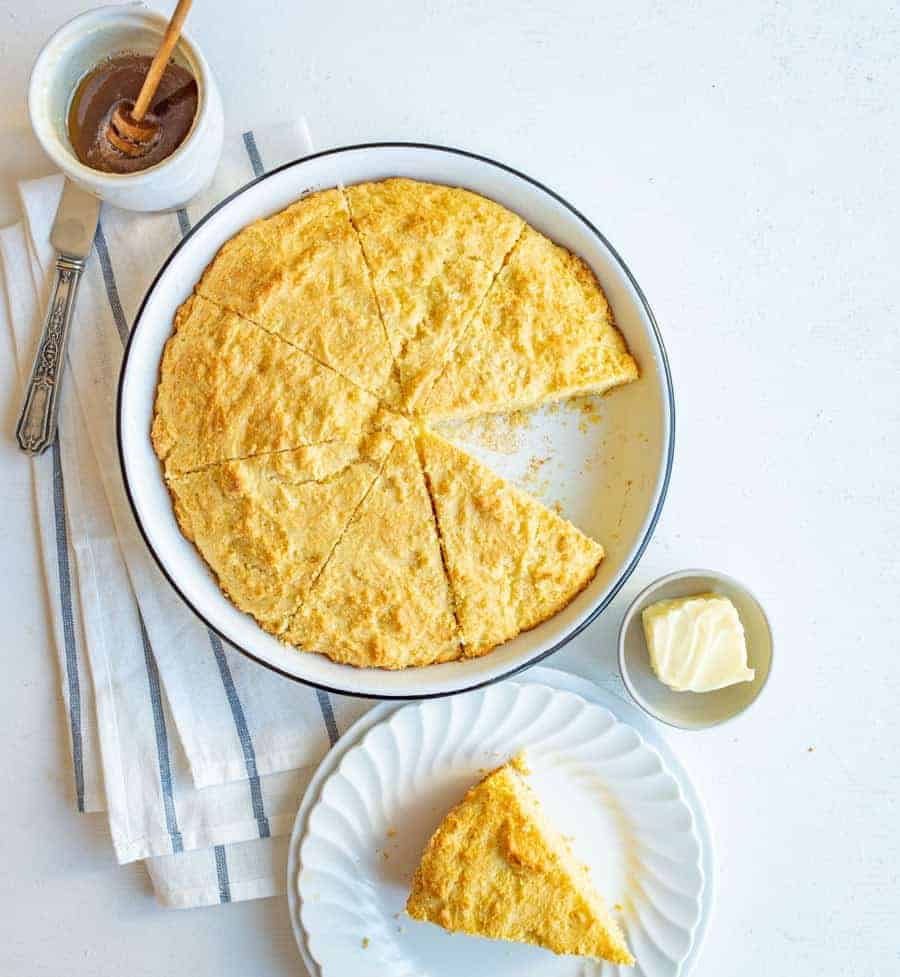 Breads
Sour Cream Cornbread Recipe
 Recipes Organized by Cooking Equipment
The Best Gift Ideas for Home Cooks
 Easy Dinners
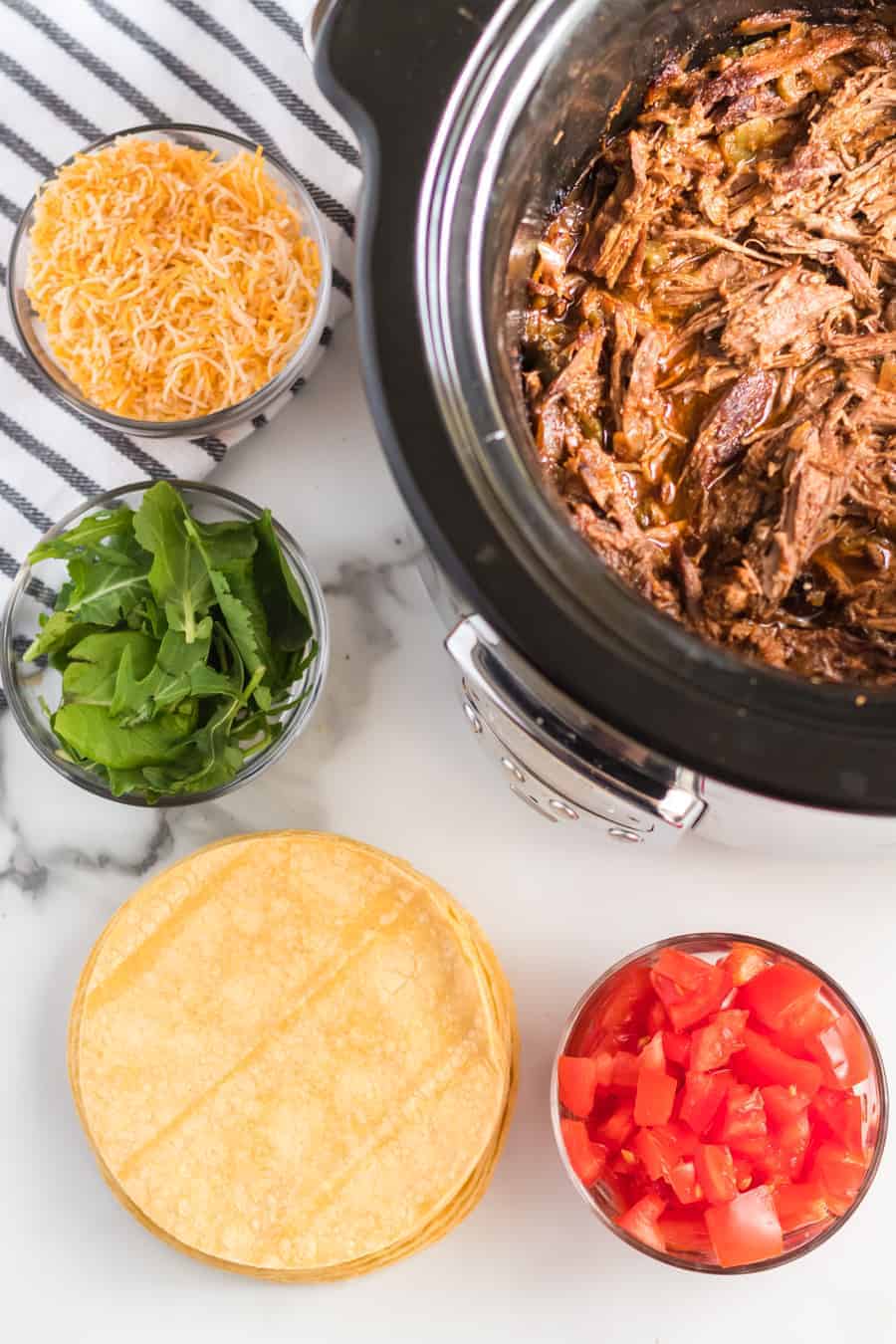
Steak Carnitas Meat in the Crock-Pot
 Life on the Farm
Chicken Babies
 Easy Dinners
The Best Homemade Bolognese Sauce
 Easy Dinners
Asparagus Soup
 Easy Dinners
Cajun Chicken Pasta
 Breakfast