Home Recipes Organized by Cooking Equipment How to Clean and Re-Season a Cast Iron Skillet
Recipes Organized by Cooking Equipment
How to Clean and Re-Season a Cast Iron Skillet
Here's how to clean cast iron skillets and Dutch ovens no matter how bad they are. An easy, step-by-step tutorial with photos.
- Prep10 min
- Cook2 hr
- Total3 hr 10 min
- Serves1
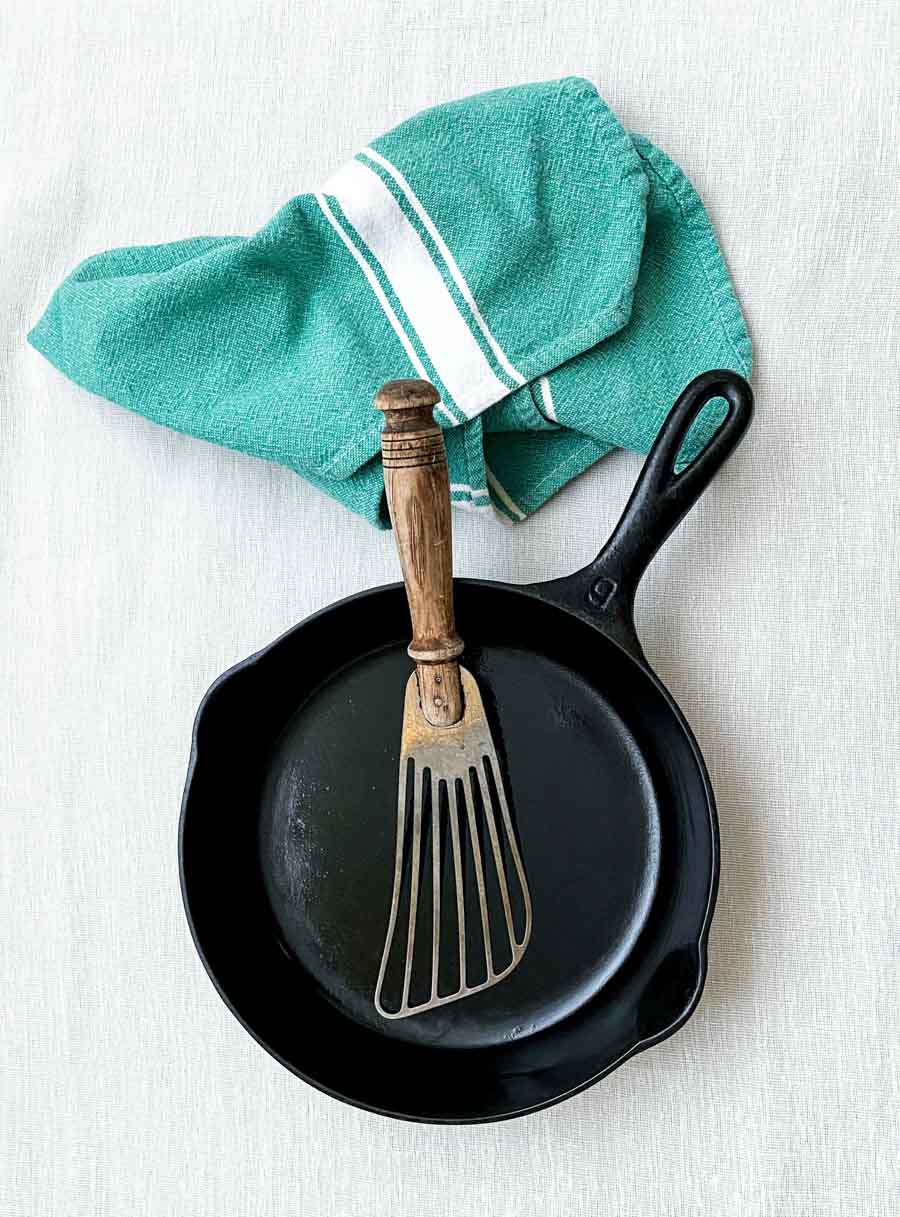
If you’re new to this age-old cookware, you will need to knowhow to clean cast iron, as well as how to season it. Some people may initially feel intimidated by the care and maintenance of cast iron, but with a little know-how and technique, cleaning and maintaining your cast iron cookware can be incredibly simple and rewarding.
Cooking with cast iron is making a comeback and with good reason. Cast iron skillets and Dutch ovens are extremely versatile cookware that boasts a wide range of amazing advantages over stainless steel, copper, and other varieties of pots and pans.
Cast iron, made from a molten mixture of iron and steel, has unique properties that make it visually appealing, naturally non-stick, and extremely durable. It’s no wonder chefs worldwide are again turning to this traditional cookware.
Why You’ll Love Cooking With Cast Iron
- Nonsticksurface
- Saferand healthier material
- Durableand indestructible
- Easy to cleanand maintain
- Versatileuses for cooking
Properly Seasoned Cast Iron is Naturally Nonstick
This classic cookware is a great choice for household use due to its nonstick nature, perfect for making Saturday morningblueberry pancakes.
Unlike other cooking materials, cast iron is porous. When heated, these pores expand, allowing cooking oil, fat, or lard to penetrate the pan’s surface, where it is cooked into the cast iron surface.
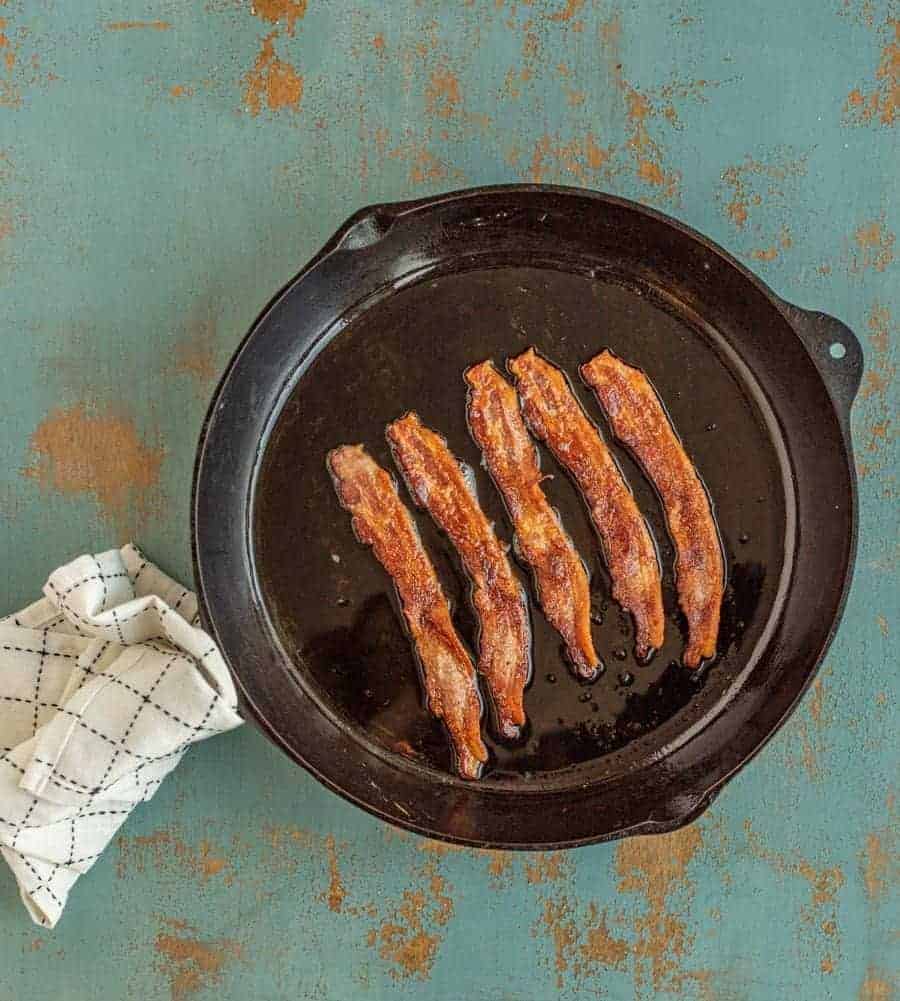
This coating accumulates every time you cook and helps to form the seasoning on the cast iron, which makes a nonstick surface.Cooking bacon in cast ironis an excellent and delicious way to keep the pan seasoned.
Just keep cooking in the pan, and it will become more nonstick as it ages and is used.
Cast Iron is Safer and Healthier
By maintaining properly seasoned cast iron cookware, you will no longer need to purchase conventional nonstick pans, which are made of questionable materials.
Conventional nonstick cookware often contains Teflon, which can be hazardous to humans. Studies have linked Teflon-coated pans to an increased risk of some types of cancer, changes in liver enzymes, increased blood cholesterol levels, and other issues.
Teflon also poses some environmental risks, is hazardous to birds, and should be avoided in any home with pet birds.
Cast iron, on the other hand, does not pose these risks and is a much safer alternative.
Durable and Nearly Indestructible
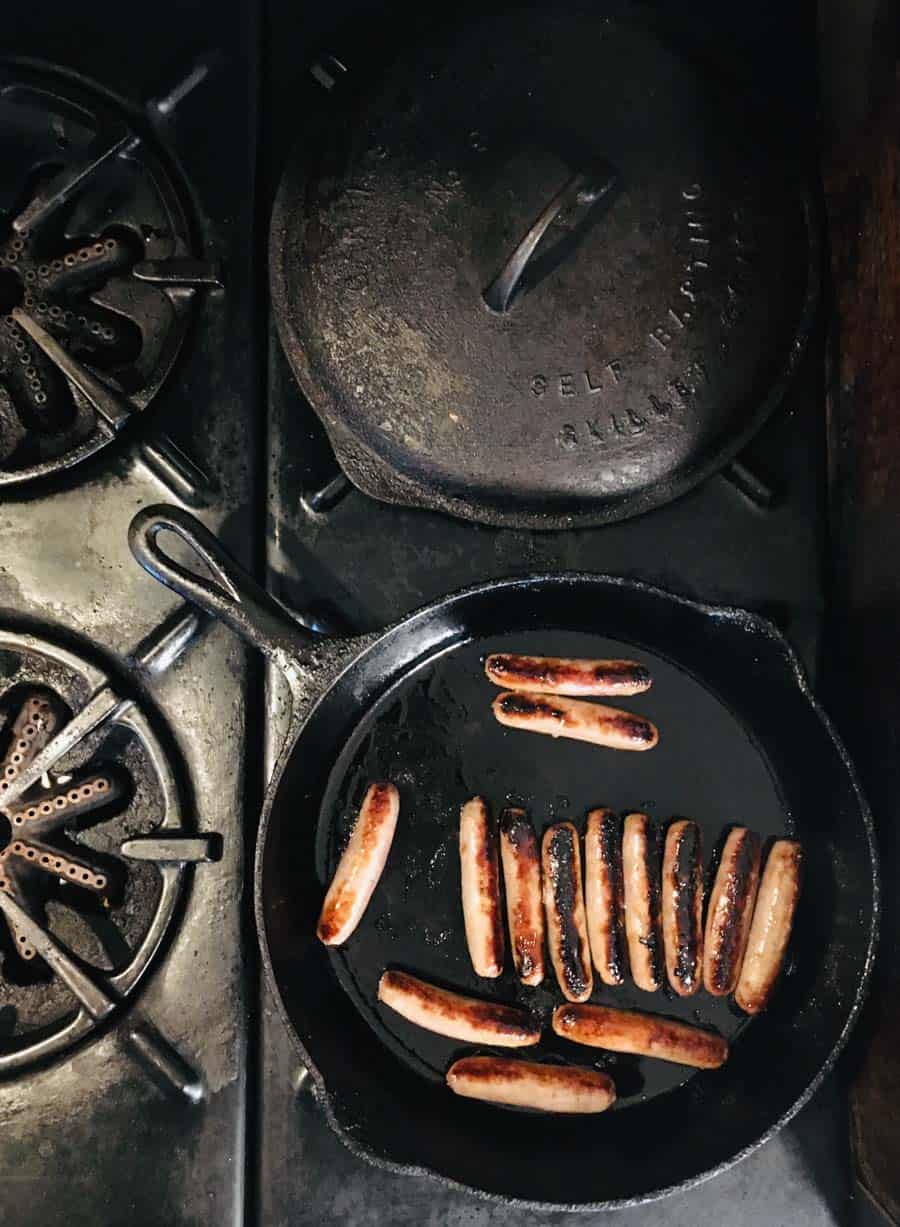
Cast iron is a heavy and resilient material that can withstand a surprising amount of wear and tear. Its heavy nature not only helps it cook evenly, but it almost guarantees that cookware will not have regular issues, like scratching, flaking, or handles falling off.
While many first-time users may feel intimidated by it at first, particularly when pans rust, even a very rusted pan can be rehabilitated and look as good as new with a little know-how.
Because cast iron is such a durable material, many cast iron pans can last several lifetimes, becoming family heirlooms passed down from generation to generation.
Though cast iron is quite durable, it can be sensitive to temperature shocks. When cleaning hot pans, only wash them in warm water. Cold water can shock your pan causing it to crack.
Cast Iron is Simple and Easy to Clean and Maintain
Although they may look a little different, cleaning and maintaining cast iron cookware is not that much different than the maintenance required for stainless steel pots and pans.
By knowing how to clean cast iron, maintain the seasoning, and which cleaning tools work best, you’ll have your cast iron looking great and cooking delicious recipes likeold-fashioned cornbreadin no time.
Cast Iron Pans are Incredibly Versatile.
Cast iron’s unique properties make it one of the best cooking materials. Not only is it naturally nonstick, but it also maintains an even cooking temperature and retains heat longer.
Cast iron skillets are great for sauteing and frying, but they can also be used for broiling, baking, and much more. We use ourcast iron pans to cookany number of amazing foods every single day!
How to Clean Cast Iron
Keeping cast iron pans clean is simple and even gets easier the more seasoned the pans become over time and with frequent use. Here are some best tips for cleaning cast iron cookware.
General Cleaning of Cast Iron
Clean the pan immediately after use by simply wiping the surface clean with a moist paper towel or washcloth. Thoroughly dry the pan right away to prevent rust.
If a small amount of dark residue wipes off your pan during cleaning, it is just excess seasoning and is perfectly normal.
Cleaning Dirtier Cast Iron Pans
If food gets stuck in the pan,you will need to take care not to remove your pan’s seasoning during cleaning. This is more likely to happen when the pans are newer or have recently been deep-cleaned. The cookware simply needs to rebuild or form a deep seasoning to make its surface truly nonstick.
It’s important not to use copper scrubbers or steel wool,as these can be too abrasive and remove seasoning. Instead, opt for chainmail scrubbers, pan scrapers, or cast iron scrub brushes, which will be gentler on your pan’s seasoning.
Though it may be tempting for stuck-on messes,never soak your cast iron in water. This will help prevent the pan from rusting.
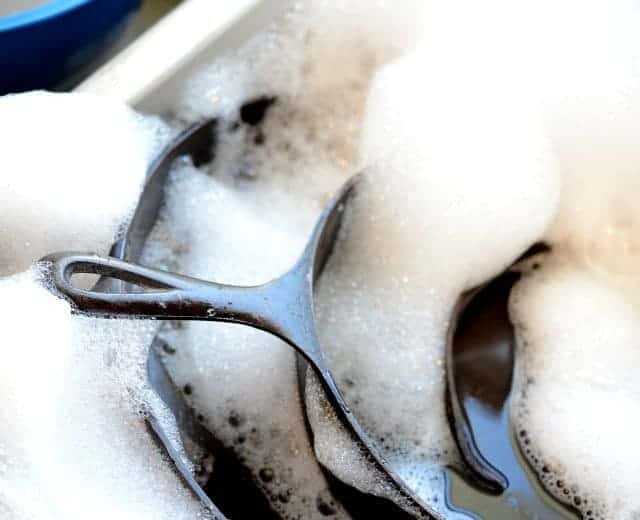
Gently scrub with hot water.While it is a commonly held belief that you should not use soap on your cast iron,a small amount of soap will not affect the seasoningand will make cleaning greasy pans easier.
If you’re using dish soap, only use a drop or two and thoroughly rinse the pan. Too much dish soap can destroy your pan’s seasoning, so a little goes a long way. After cleaning,thoroughly drythe pan.
For super stuck-on food, fill the pan with water and lightly simmer for three to five minutes, allowing the pan to cool before cleaning with a scrubber as above.
Regular Maintenance and Care for Cast Iron
When properly maintained, cast iron is simple to use and clean and will not need to be re-seasoned frequently. The trick to keeping cast iron in tip-top shape is touse gentle cleaning techniques and keep your pan dry.
From time to time, if your pan starts to look dry or dull or food seems to be sticking, rub a bit of vegetable oil on your pan when it is still warm to maintain your pan’s seasoning.
How to Refurbish and Season a Cast Iron Pan
Old, dull, and rusty cast iron pieces may look daunting at first, but they are simple to refurbish when you know what you’re doing, and you can save a lot of money by purchasing cast iron secondhand.
Refurbish Cast Iron With a Deep Clean
Often, old cast iron will havespots of rust or old, cooked-on oilthat has turned rancid over time and needs to be removed. If your pan has begun to rust, smell, or have sticky areas of cooked-on oil, it’s time for a deeper clean.
The only time you should use copper scrubbers or steel wool on your cast iron is when you are doing a deep clean.After wetting your pan, thoroughly scrub it inside and out with your scrubbers until all rust and other cooking residue is removed.
If needed, you can use dish soap during this process because you will be re-seasoning your pan next.
How to Re-Season Cast Iron Pans
After your cast iron is thoroughly cleaned, it’s time to re-season it.
Preheat oven to 325° F. Next, using a paper towel, evenly coat the pan with a light layer of vegetable oil; your pan should becoated but not drippingwith oil.
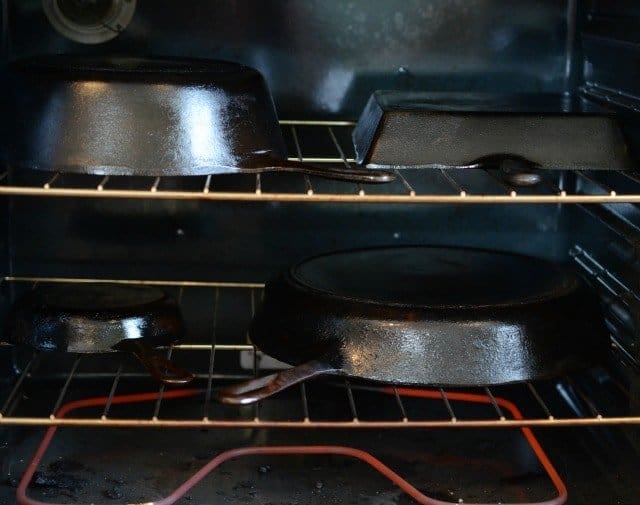
Place the pan upside down in the oven and cook for one hour. This will allow the seasoning to bake into the cast iron, forming a natural, nonstick coating. This process can get messy, so you may want to place aluminum foil under the pan to catch any drippings.
Be sure to turn on the stove vent to limit any smoking!
After one hour, turn off the oven and allow the pan to cool completely before removing. Your old cast iron pan is now re-seasoned and ready to use!
To maintain the seasoning, simply follow the general care instructions above to keep your cast iron looking great for years to come.
For small amounts of rust, you likely won’t need to completely re-season a pan. Scour any rusted areas to remove rust and then reapply a thin layer of vegetable oil.
Getting Started With a Brand New Cast Iron Skillet
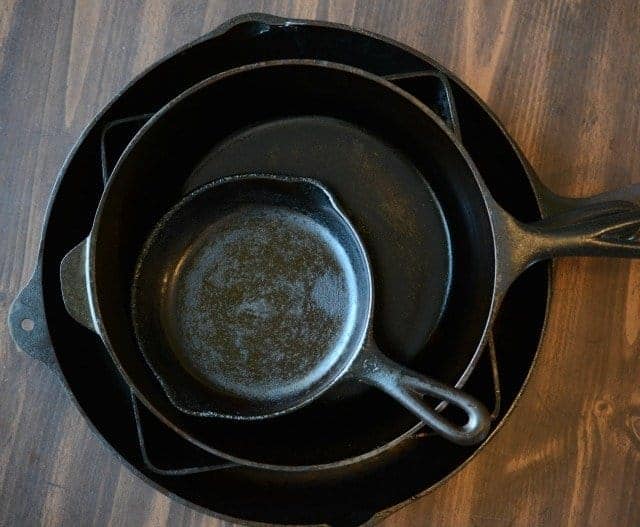
While there is a lot to be said for buying cast iron secondhand, there is a lot of great cast iron cookware on the market today. Sometimes it can be difficult to find used cast iron at secondhand stores and the like, so at times, buying new may be the only option.
If you’re starting your cast iron journey with a new piece, your pan will likely be coated in an anti-rust wax from the manufacturer. Just as if you were working with a rusty pan, thoroughly scrub the new cast iron with a chainmail scrubber or cast iron scrub brush until the wax is removed. Next, follow the steps above to season your pan with vegetable oil before use.
Cast Iron FAQs
When is it time to replace your cast iron?
Likely never! Cast iron can last decades, if not lifetimes. Improper cleaning, however, can damage cast iron over time. If your skillet develops a crack or begins to corrode with holes, it’s time to replace it.
Can I put my cast iron pan in the dishwasher?
No, putting cast iron pans in the dishwasher is not recommended. Doing so will promote rusting. Hand washing with hot water and minimal soap, if necessary, is the best way to clean a cast iron pan. Additionally, make sure to dry it thoroughly after washing to prevent rust.
Can I use soap to clean my cast iron pan?
A drop or two of dish soap can be used to cut grease when cleaning cast iron pans. For a deep clean prior to re-seasoning, it’s okay to use soap since the pan will be going through the seasoning process again.

Expert Tips for Cooking With and Keeping Cast Iron Pans
- While cast iron can cook most dishes, highly acidic foods, such as wine and tomatoes, can react with cast iron panscausing metallic flavors to leach into the food. If cooking acidic foods, make sure the pan is well-seasoned and try to keep cooking times short. Once you’re done cooking,remove all food from the pan as soon as possible.
- To ensure food doesn’t stick to the pan, warm it before adding cooking oil or butter. Once the oil is heated, add the food, and it will bemuch less likely to stick.
- For proper storage, keep cast iron pans in a dry place, and store them with their lids in place if possible.
More Cast Iron Recipes!
Did you try this project? Share it onInstagram,Facebook,andPinterest!