Home Side Dishes and Salads How to Make Cottage Cheese at Home
Side Dishes and Salads
How to Make Cottage Cheese at Home
Want to know How to Make Cottage Cheese? This quick, beginner-friendly recipe delivers soft, fresh curds with minimal ingredients.
- Prep1 min
- Cook10 min
- Total50 min
- Serves4 (Makes about 2 cups)
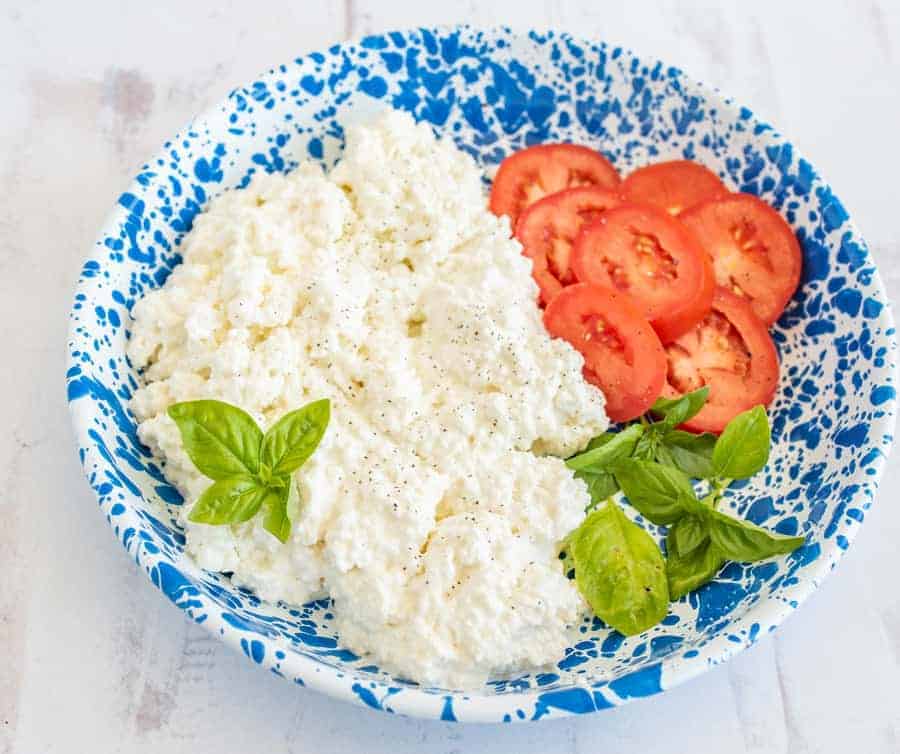
If you’ve ever wonderedHow to Make Cottage Cheese, you’ll be surprised at how simple it is. With milk, vinegar, and a little patience, you can create soft, delicious curds from scratch!
Quick Recipe Overview
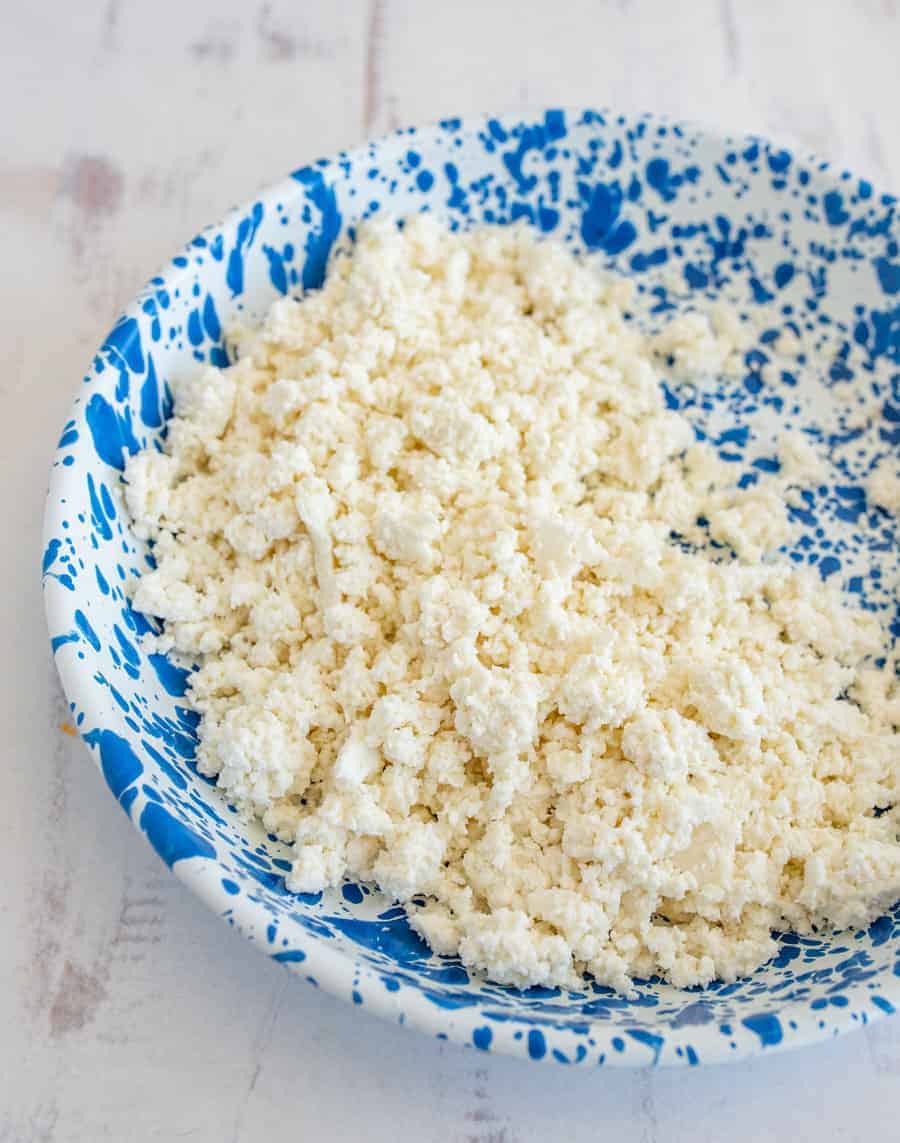
WHAT:Fresh homemade cottage cheese made from skim milk curdled with vinegar, then rinsed and mixed with cream and salt.
WHY:Simple four-ingredient recipe creates fresh, preservative-free cottage cheese with superior flavor and texture at a fraction of store-bought cost.
HOW:Heat milk to 120°F, add vinegar to form curds, drain and rinse thoroughly, then mix with cream and salt.
Why You’ll Love This Cottage Cheese Recipe
- I just love this homemade cottage cheese recipe because it’s easy to make and only requires 4 simple ingredients!
- If you buy cottage cheese from the store, you might see ingredients like potassium sorbate, guar gum, or xanthan gum, but I think we should be able to eat things that have ingredients we recognize! My homemade cottage cheese is made with skim milk, white vinegar, coarse Kosher salt, and cream.
- This cottage cheese is about 10X better than the store-bought brands, and we really like the taste of store-bought cottage cheese (even if I’m not a fan of the ingredient list). It’s REALLY tasty!
🩷
Cottage cheese…YUM. We like cottage cheese around here, that’s for sure. The store bought-stuff has a HUGE list of ingredients. Have you ever taken a look? It’s just a bunch of stuff no one wants to eat. The solution: whip some up yourself in small batches. I promise you’ll be able to name everything in it, and it’s super easy, requiring only about 10 minutes of hands-on time and 50 minutes total.
The first time I did this, I was shocked at how good this was. I love when I can create a recipe that’s simple and pleasantly surprising! It brings me so much joy and affirmation in my line of work. I’m nudging you to try it just so you can say you made cottage cheese – and then fall in love with the end result like I did!
Ingredient Notes
White vinegar (or lemon juice):The acid is what causes the milk to curdle and form the cottage cheese curds. Regular white vinegar works perfectly; lemon juice is a great alternative if you want a slightly brighter, fresher flavor.
Coarse Kosher salt:The larger crystals distribute more evenly and don’t dissolve as quickly as table salt, allowing better control over seasoning. Diamond Crystal or Morton Kosher salt both work well.
Cream:Heavy cream creates the richest texture, but half-and-half works for a lighter version. The cream-to-curd ratio is adjustable based on how creamy you prefer your cottage cheese.
See the recipe card below for full information on ingredients and quantities.
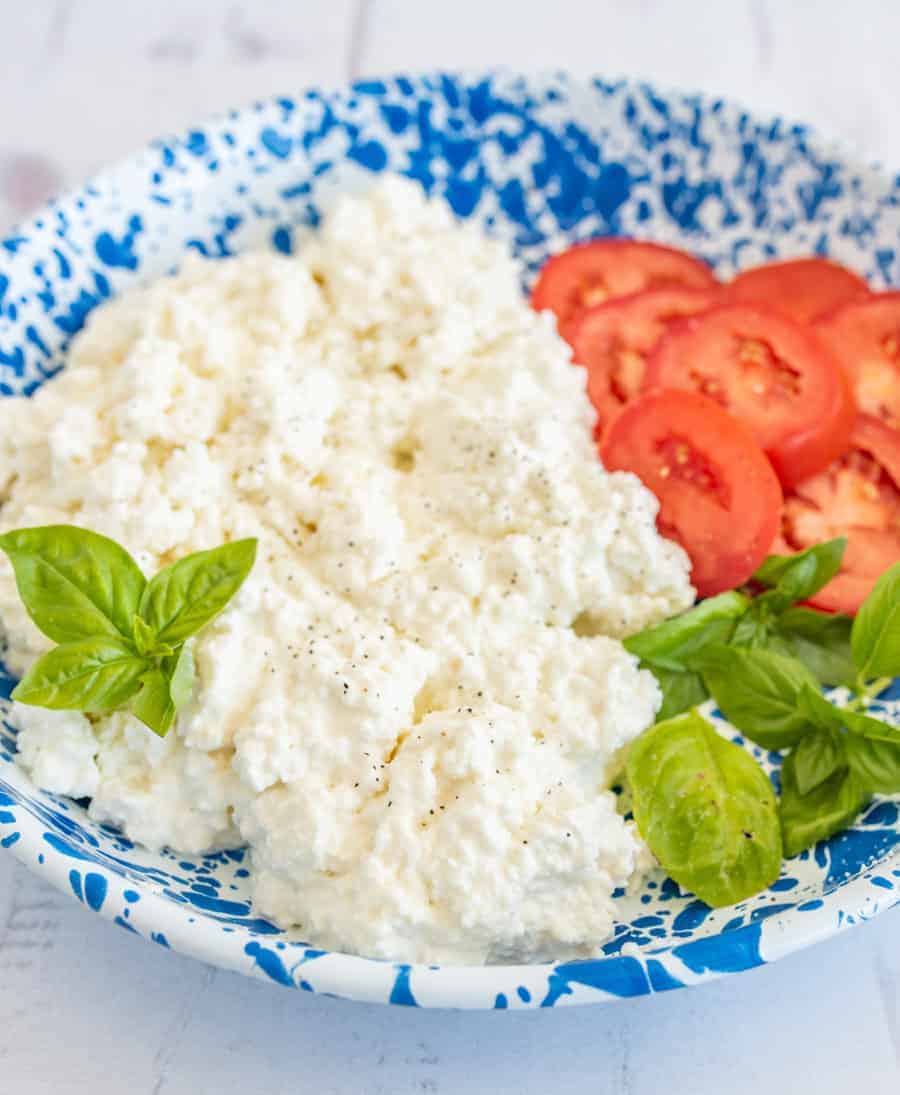
How to Make Cottage Cheese
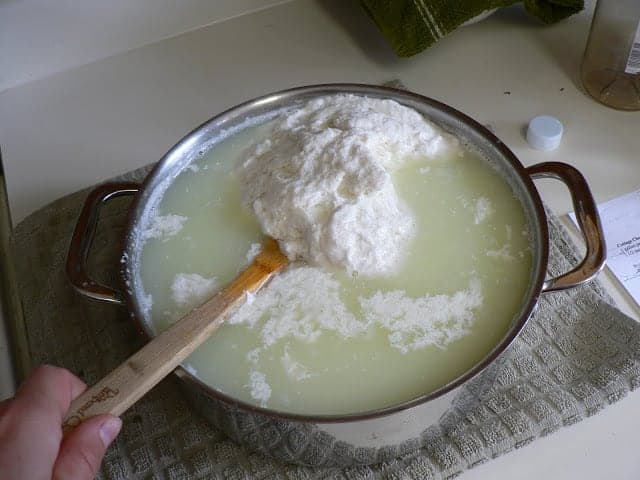
Step 1:Pour 1gallon milk(skim) into a large, heavy-bottomed pan. Heat over medium heat,stirringoccasionally, until the milk reaches 120°F on a kitchen thermometer. Remove from heat immediately to prevent overheating.
Step 2:Slowly pour 3/4 cup white vinegar into the heated milk while stirring gently. You’ll see a large curd mass form within seconds. Cover the pot and let it sit undisturbed for 30 minutes at room temperature.
Step 3:Line a colander with a cotton tea towel or flour sack towel and place it over a large bowl. Pour the curds and whey through the towel-lined colander, allowing the liquid whey to drain completely into the bowl below.
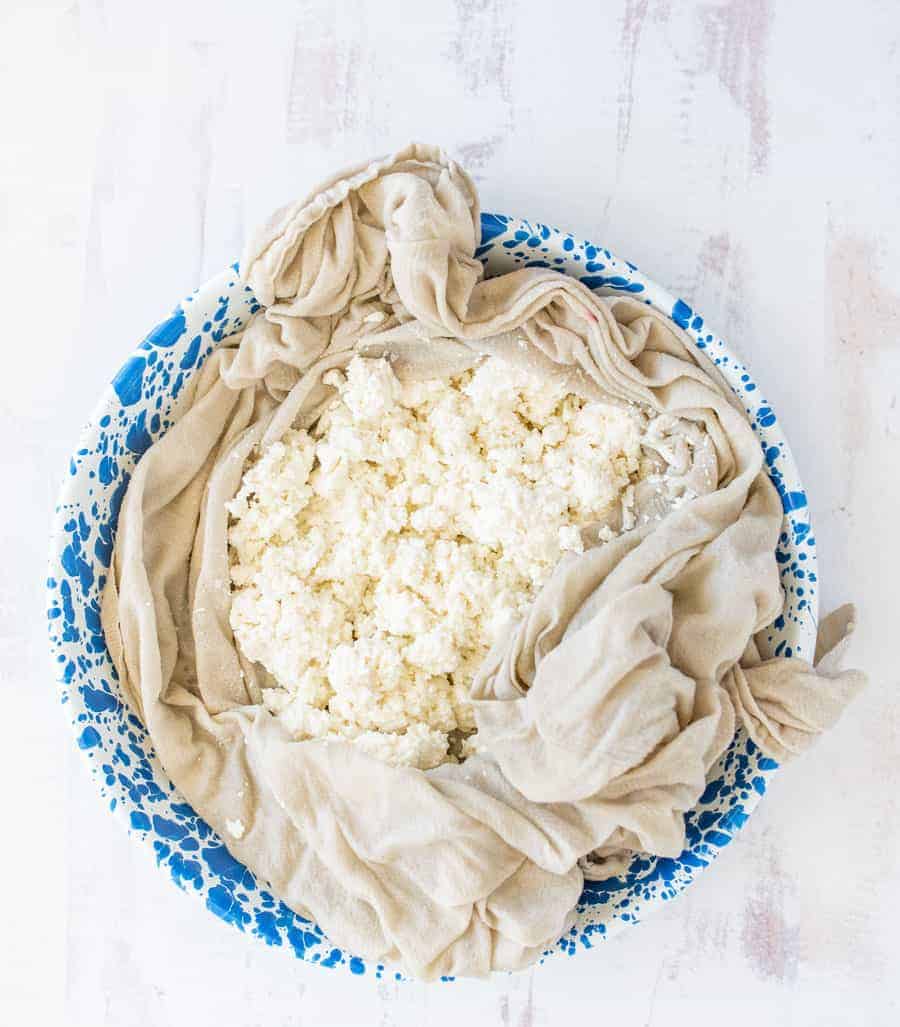
Step 4:Gather all four corners of the towel to create a bundle with the curd inside. Hold this bundle under cold running water for 5 minutes, massaging and squeezing the curd mass to wash away all traces of whey and vinegar. Continue until the water runs completely clear.
Step 5:Squeeze the towel firmly over the sink to remove as much water as possible. The curds should be relatively dry and crumbly when you’re finished. Open the towel and transfer the curds to a bowl.
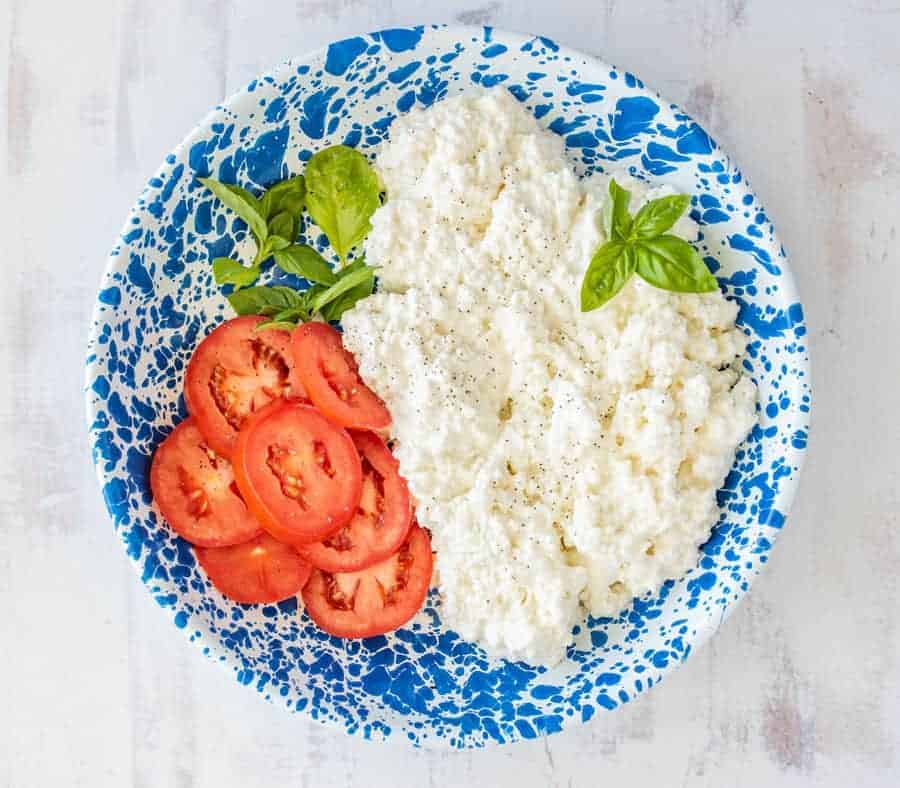
Step 6:Add 1/2 cup cream and coarse Kosher salt to taste to the curds, stirring gently to combine. Start with 1/2 teaspoon salt and adjust from there. If not serving immediately, store curds and cream separately in airtight containers in the refrigerator.
Substitutions & Variations
Milk alternatives
Whole milk makes richer cottage cheese with more fat content. Two percent milk offers a middle ground between skim and whole. Just avoid ultra-pasteurized varieties.
Acid options
Fresh lemon juice can replace vinegar at a 1:1 ratio for a brighter, citrus-forward flavor that’s particularly nice in sweet applications.
Cream variations
Try half-and-half for lighter cottage cheese, or go ultra-rich with full-fat heavy cream. Sour cream mixed with a splash of milk creates tangy cottage cheese.
Flavored versions
Add fresh herbs like chives or dill to the finished cottage cheese. For sweet versions, mix in honey and vanilla extract. Garlic powder and black pepper create savory cottage cheese perfect for dips.
Texture adjustments
For drier cottage cheese (baker’s cheese), skip the cream entirely. For wetter cottage cheese, add extra cream or a splash of milk along with the cream.
FAQs for How to Make Cottage Cheese
What do you eat with cottage cheese?
Cottage cheese is delicious plain or on toast or in a salad with fruits and veggies like crushed pineapple, berries, melon, peaches, apple and cinnamon, celery, or carrots. It’s perfect in smoothies, adds protein to soups, and works beautifully in both sweet and savory applications. A spoonful of cottage cheese can add creaminess to nearly any dish
Is cottage cheese good for you?
Yes! It’s high in calcium, which is important for building and maintaining strong bones. It also contains some protein.
What type of milk can I use for making cottage cheese?
I used skim milk for a lower fat cottage cheese, but whole milk can also be used. It will be a richer and creamier texture, though it will have more fat also. Avoid ultra-pasteurized milk as it may not curdle properly.
How do I get the right texture for my cottage cheese?
The key is thorough rinsing under cold water and squeezing out as much liquid as possible before adding the cream. The longer you rinse, the cleaner the flavor and the firmer the small curds will be. If you prefer a softer result, add a little extra cream at the end.
My Best Tips for Making Cottage Cheese
☞Use a Flour Sack Towel or Cheesecloth: A thin cotton towel drains the whey quickly and makes it easy to squeeze out the remaining liquid. A thick kitchen towel holds too much moisture and slows down the whole process.
☞Salt Generously: Cottage cheese needs more salt than you might expect. Season in stages, taste as you go, and don’t be shy — under-salted curds taste flat and bland no matter how fresh they are.
☞Rinse Until the Water Runs Clear: This step removes excess acidity from the whey and is what gives homemade cottage cheese its clean, mild flavor. A full 5 minutes of cold water rinsing makes a real difference in the final taste and purity of your mixture.
☞Add Cream Just Before Serving:Keeping curds and cream separate maintains the best texture. The curds stay firm while the cream doesn’t get watery from releasing moisture. This also extends the shelf life of your homemade cheese.
☞Don’t Skip the Resting Period:The 30-minute covered rest allows curds to fully form and firm up, making them easier to drain and rinse without losing cheese through the towel.
☞Milk Type Matters:Whole milk can also be used if you don’t mind a higher fat content in your cottage cheese, but don’t use ultra-pasteurized milk as it may not curdle properly.
What to Serve With Cottage Cheese
Fresh cottage cheese is incredibly versatile and works in both sweet and savory applications. Serve it for breakfast with fresh berries, sliced peaches, or a drizzle of honey. Top withgranolaand cinnamon for a protein-packed morning meal.
For savory options, cottage cheese pairs beautifully with sliced tomatoes, cucumber, and everything bagel seasoning. Use it as a dip for vegetable crudités or as a spread on toast with avocado. It’s also excellent stirred into scrambled eggs or folded into omelets.
Cottage cheese works wonderfully in cooking and baking too. Mix it intolasagna, stuff it into shells, or blend it smooth for creamy pasta sauces. Use it inpancakes,muffins, orcheesecakefor added protein and moisture. It’s also delicious simply seasoned with salt, pepper, and fresh herbs as a side dish.
Storage & Reheating Tips
Room Temperature
Fresh cottage cheese should not be left at room temperature for more than 2 hours. The dairy will spoil quickly without refrigeration.
Refrigerator Storage
Store curds and cream separately in airtight containers for up to 5-7 days. Combine portions as needed to maintain the best texture. If stored together, cottage cheese stays fresh for 4-5 days.
Freezer Storage
Cottage cheese doesn’t freeze well due to its high moisture content. The curds become grainy and watery when thawed, though it can work stirred into cooked dishes.
Make Ahead
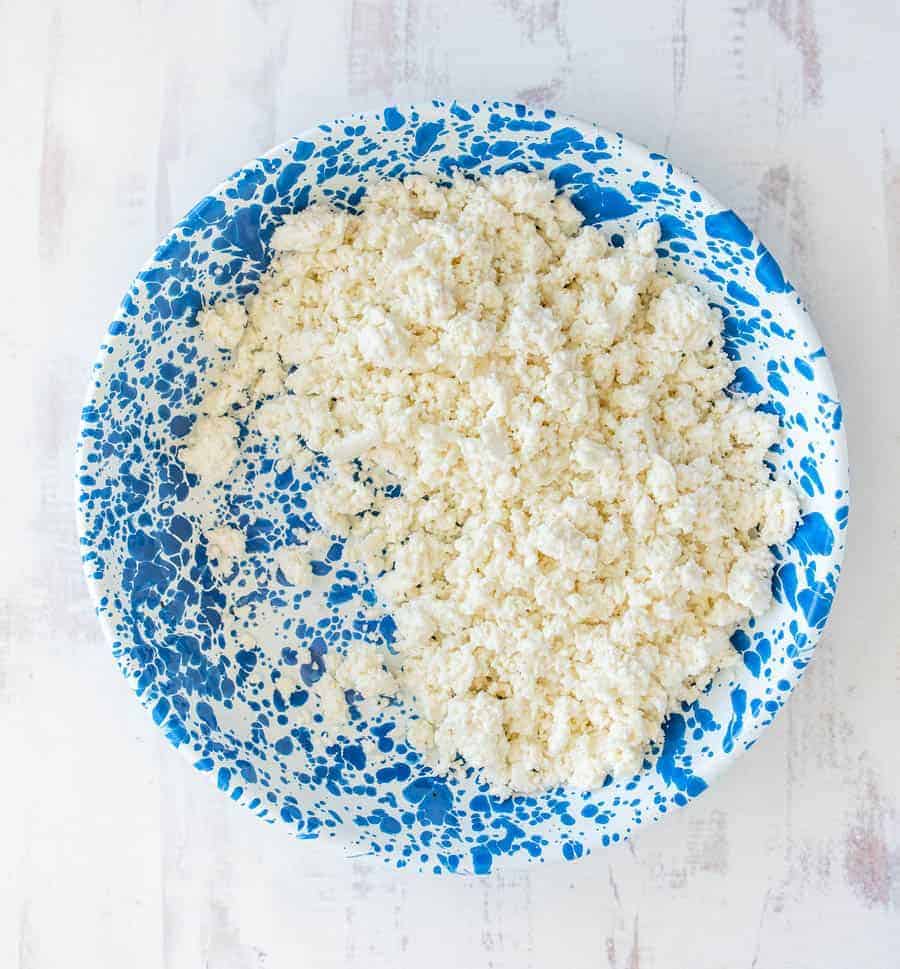
Prepare the curds up to 3 days in advance and store dry in the refrigerator. Add cream and salt just before serving for the freshest taste and best texture.
Reheating
Cottage cheese is typically served cold and doesn’t require reheating. If using in hot dishes like lasagna or pasta, add it directly from the refrigerator during assembly.
Similar Recipes to Try
- Crock-Pot or Slow Cooker Yogurt:It’s easy to make at home with just two ingredients and prep time of only 5 minutes!
- 4 Ingredient Healthy Strawberry Frozen Yogurt:It takes 5 minutes to make and tastes just like a traditional frozen yogurt!
- Cheesecake Ice Cream Recipe:It’s a creamy and sweet with that signature cheesy tang reminiscent of its divine pastry counterpart!
More Quick & Easy Side Dish Recipes to Consider
Did you make this recipe? Leave a⭐️review and share it onInstagram,Facebook, orPinterest!
More to cook
See the category Cookies
Dark Chocolate Halloween M&M Cookies
 Breakfast
The Best Banana Bread Recipe
 Recipes
Crockpot Recipes For Fall
 Side Dishes and Salads
Fathead Cracker Recipe (Grain-Free)
 Easy Dinners
Hawaiian Chicken
 Appetizers
Sweet and Sour Sauce
 Desserts