Home Desserts How to Brown Butter
Desserts
How to Brown Butter
Browned butter adds an incredible depth to baked goods. Try it in cookies, cakes, and muffins for a delightful twist.
- Prep5 min
- Cook7 min
- Total12 min
- Serves1
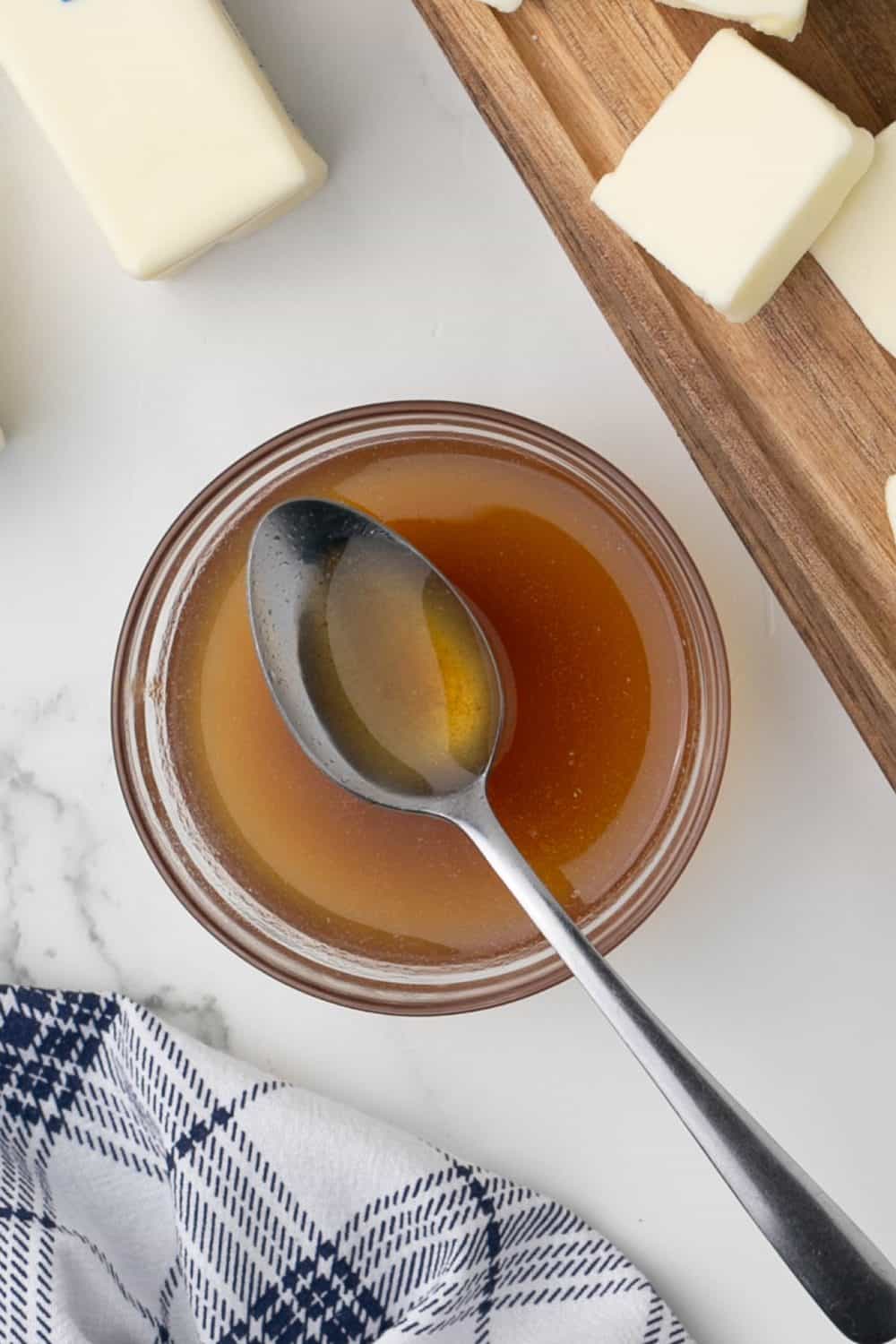
Browned butteris essentially regular butter that has been heated until the milk solids in the butter start to brown, giving it a unique nutty flavor and aroma. It is a versatile ingredient that can be used in various culinary applications, such as sauces, baked goods, vegetables, and even as a drizzle over pasta or seafood.
Browned butter has a nutty aroma and rich, golden-brown color add depth and complexity to both sweet and savory recipes. Learning how to brown butter is a culinary skill that every home cook should have in their repertoire.
How to Brown Butter
Browning butter is a technique that goes beyond simply melting butter. It adds complexity, depth, and an appealing aroma to your dishes, making them more flavorful and visually appealing. Whether you’re preparing savory or sweet recipes, learning how to brown butter can open up a world of culinary possibilities and elevate your cooking to a new level.
The basic process involves melting butter and allowing it to cook until it reaches the desired level of browning. While the steps are simple, there are a few key points to keep in mind:
Watch Closely:Browning can happen quickly, so it’s important to keep a close eye on the butter as it cooks. Once it starts to brown, it can go from perfect to burnt in a matter of seconds.
Use Unsalted Butter:Using unsalted butter is recommended because it allows you to have better control over the final seasoning of your dish. If you use salted butter, the salt content can become too concentrated as the water evaporates, leading to an overly salty result.
Stir Gently:Stir the butter gently as it melts and begins to brown. This helps distribute heat evenly and prevents burning or uneven browning.
Transfer Promptly:As soon as the butter reaches your desired level of browning, remove it from the heat and transfer it to a heatproof container. This step is crucial to prevent the butter from continuing to cook in the hot pan.
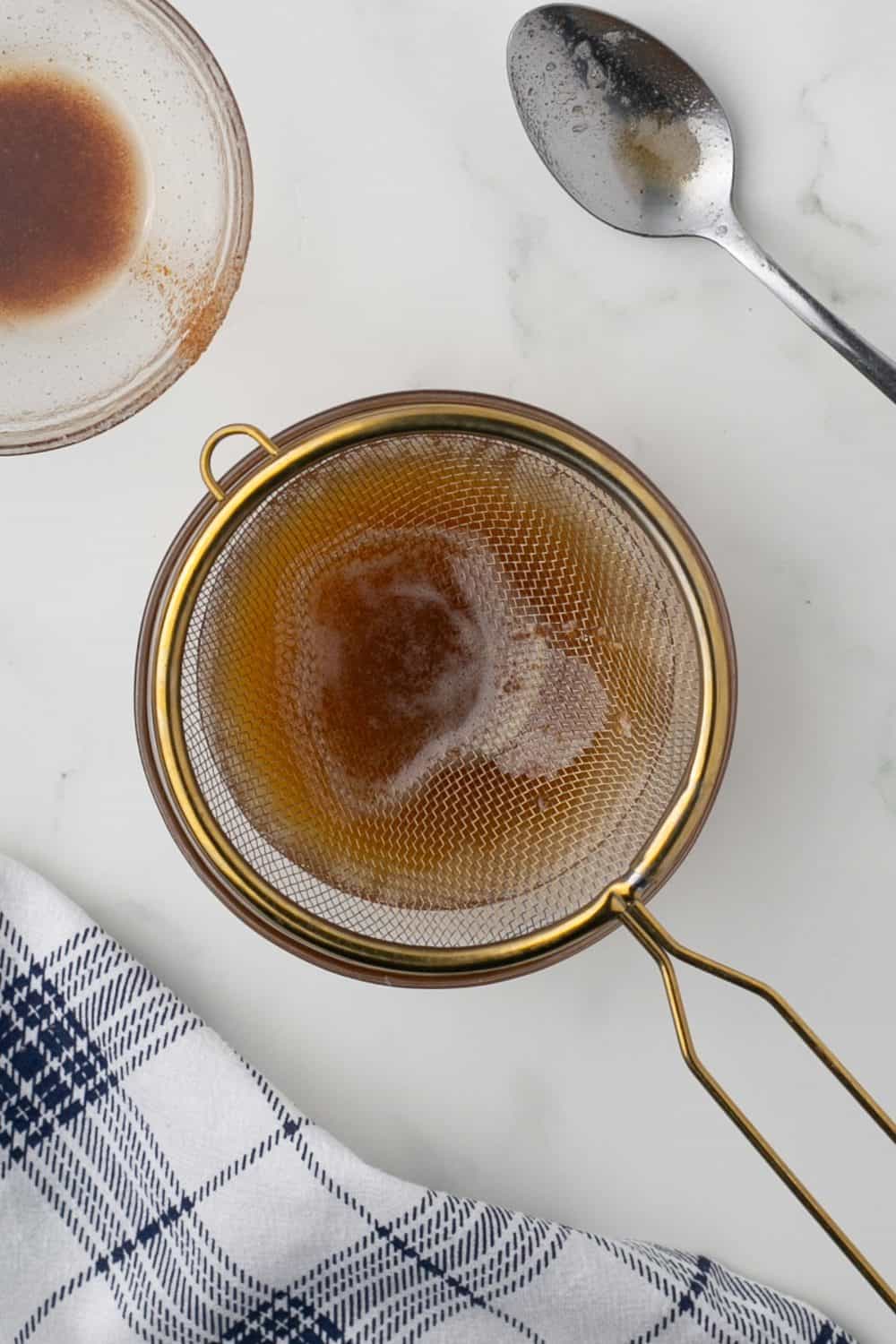
Straining:To get a smoother finish, you can strain the browned butter through a fine-mesh strainer to remove the browned milk solids. However, this step is entirely optional and depends on your preference.
Ingredients and Equipment Needed
- Unsalted butter
- Light colored Heavy-bottomed saucepan
- Wooden spoon or wire whisk
- Fine mesh strainer
- Heatproof bowl
Recipe Instructions
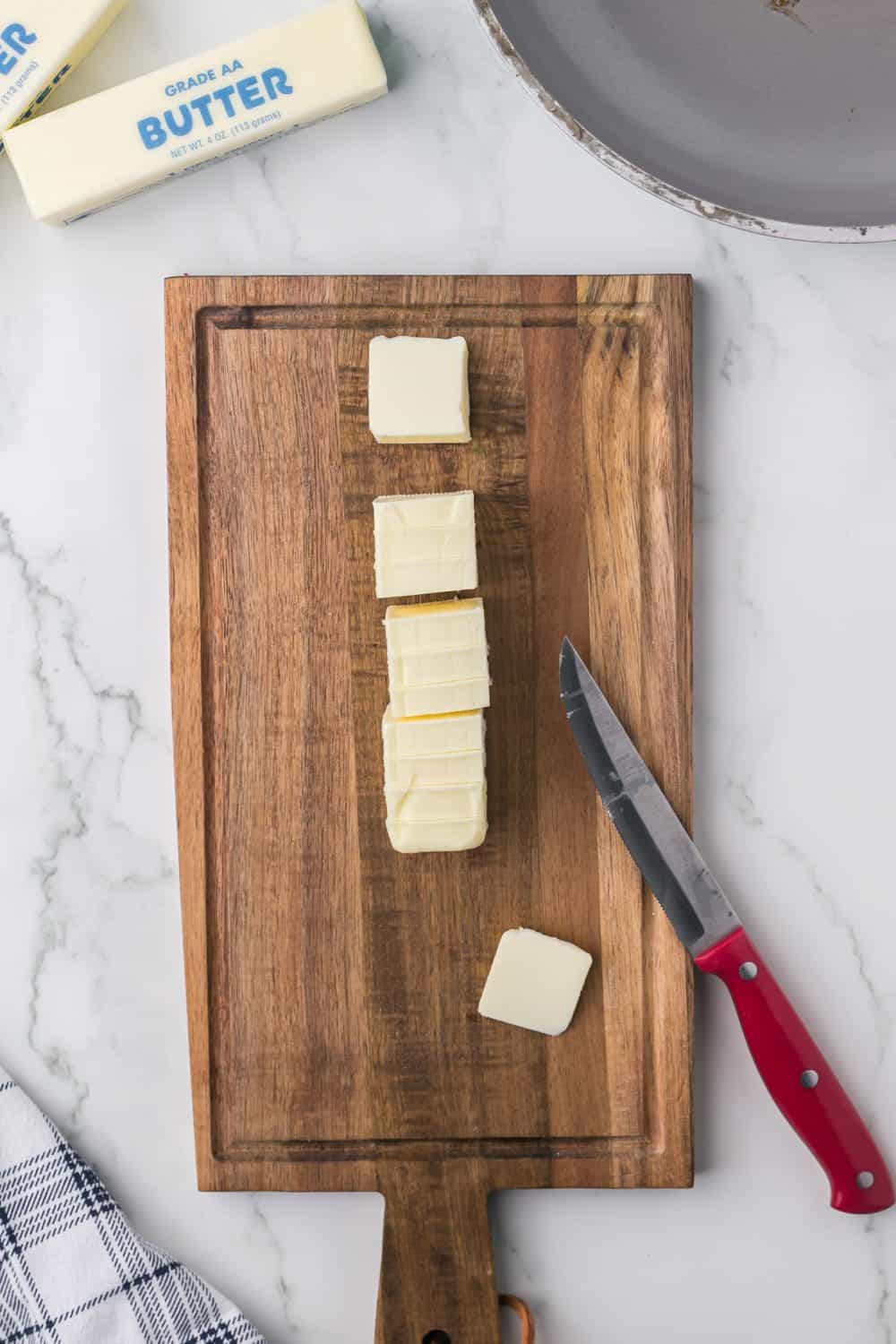
- Prep the Butter:Cut the unsalted butter into tablespoon-sized chunks for even melting.
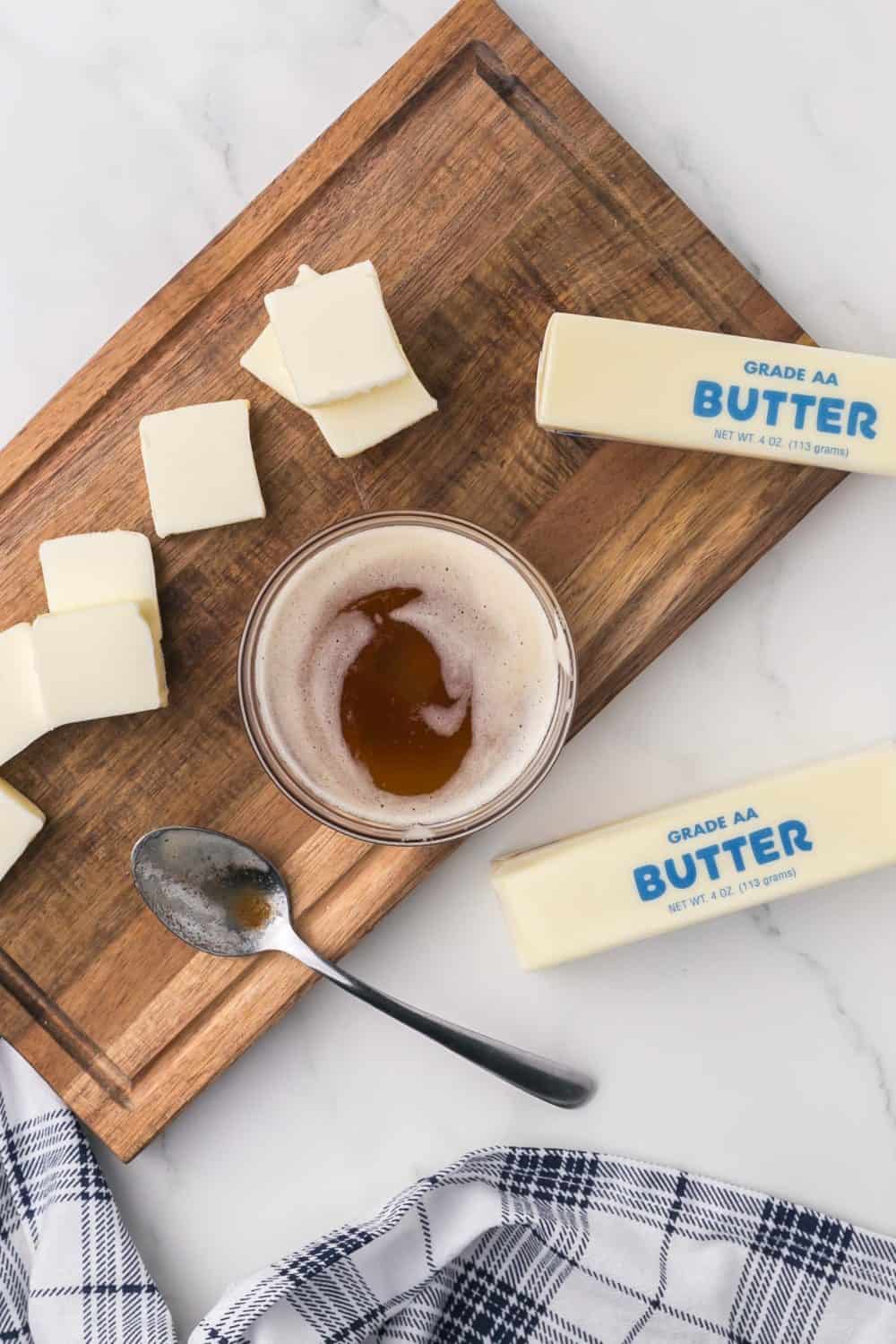
- Melt and Monitor:Place the butter chunks in a saucepan over medium heat. As it melts, it will foam due to water evaporation. Stir occasionally.
- Browning Begins:After the foaming stops (usually in about 5-7 minutes), the butter at the bottom will turn golden brown, emitting a nutty aroma.
- Remove and Cool:Once the butter reaches your desired amber hue, remove it from heat and transfer it to a heat-safe bowl to prevent burning.
- Straining:If you prefer, strain the browned butter through a fine mesh strainer to remove darkened solids.
- Cool and Store:Let the browned butter cool slightly before using it. Store any extra in an airtight container in the fridge for up to two weeks. Use it in sauces, on vegetables, or in baking for added flavor.
Frequently Asked Questions
Can I use salted butter?
While you can use salted butter, it’s best to use unsalted butter to have more control over the final seasoning of your dishes.
Why is it important to strain the butter?
Straining the butter removes the milk solids that have browned during the process. This results in a smoother, more refined flavor and appearance.
How do I know when the butter is browned?
Keep a close watch on the color and aroma. When the butter turns a rich golden brown and emits a nutty scent, it’s ready.
Can I use browned butter in baking?
Absolutely! Browned butter adds an incredible depth to baked goods. Try it in cookies, cakes, and muffins for a delightful twist.
Can I reheat browned butter?
Yes, you can gently reheat browned butter on low heat. Be cautious not to overheat it, as it can quickly go from browned to burnt.
More Recipes
- Hershey Kiss Cookies
- Marble Cake
- Banana Bread Muffins
- Peanut Butter Nutella Cookies
- Whole Wheat Pumpkin Muffins
If you’ve tried thisHow to Brown Butterrecipe or any other recipe on Rcova, then don’t forget torate the recipeand leave me a comment below! I would love to hear about your experience making it. And if you snapped some pictures of it, share it with me on Instagram so I can repost on my stories.
Browning Butteris a simple yet transformative culinary technique that can enhance the flavor and aroma of a wide range of dishes. Whether you use it in savory sauces, sweet baked goods, or drizzled over vegetables, the nutty richness of browned butter adds a delicious dimension to your cooking. It’s a versatile skill that every home cook should have in their repertoire, elevating dishes from ordinary to extraordinary with ease.
More to cook
See the category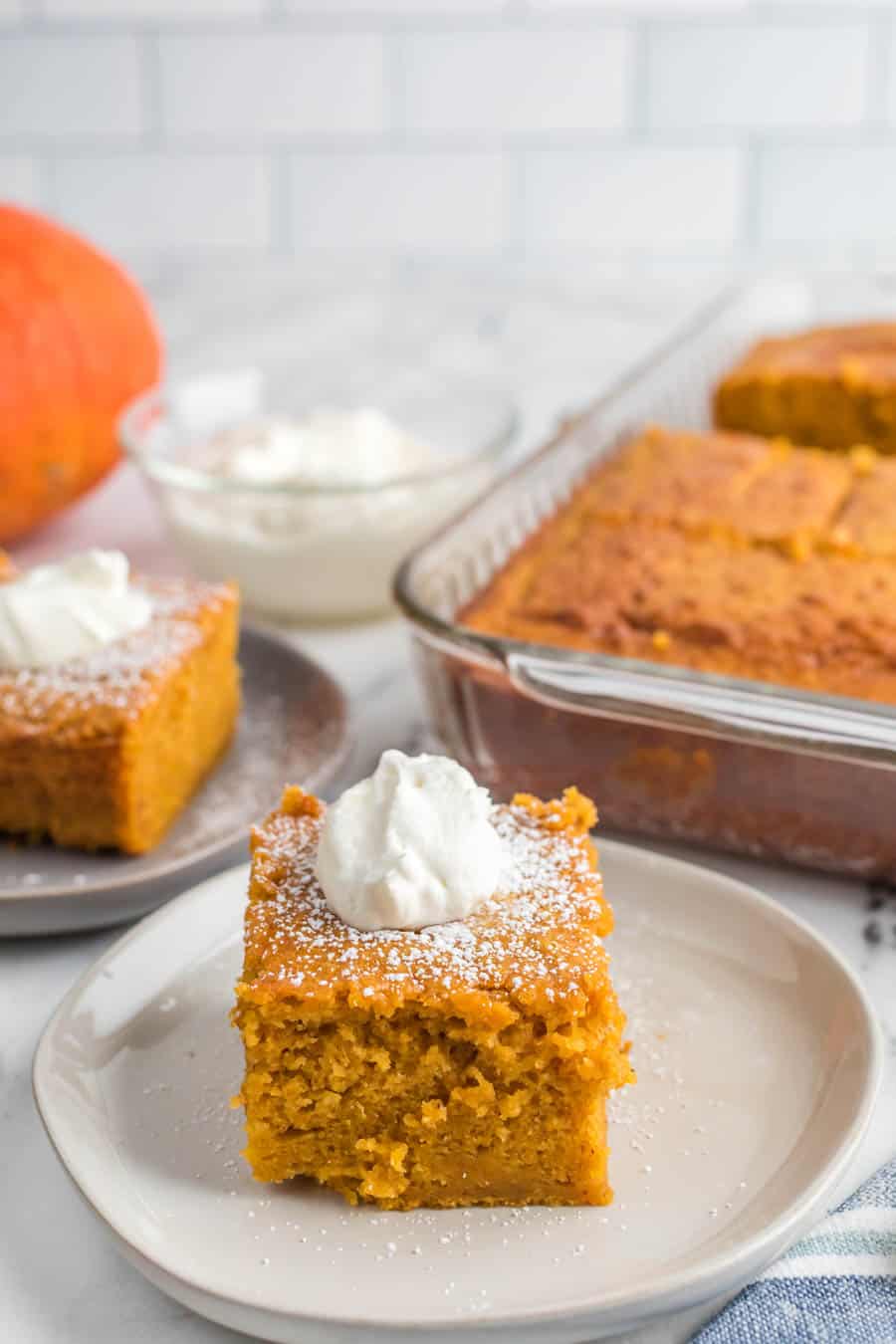 Desserts
Extra Thick Pumpkin Cake
 Holidays
Ultimate Game Day Food Ideas
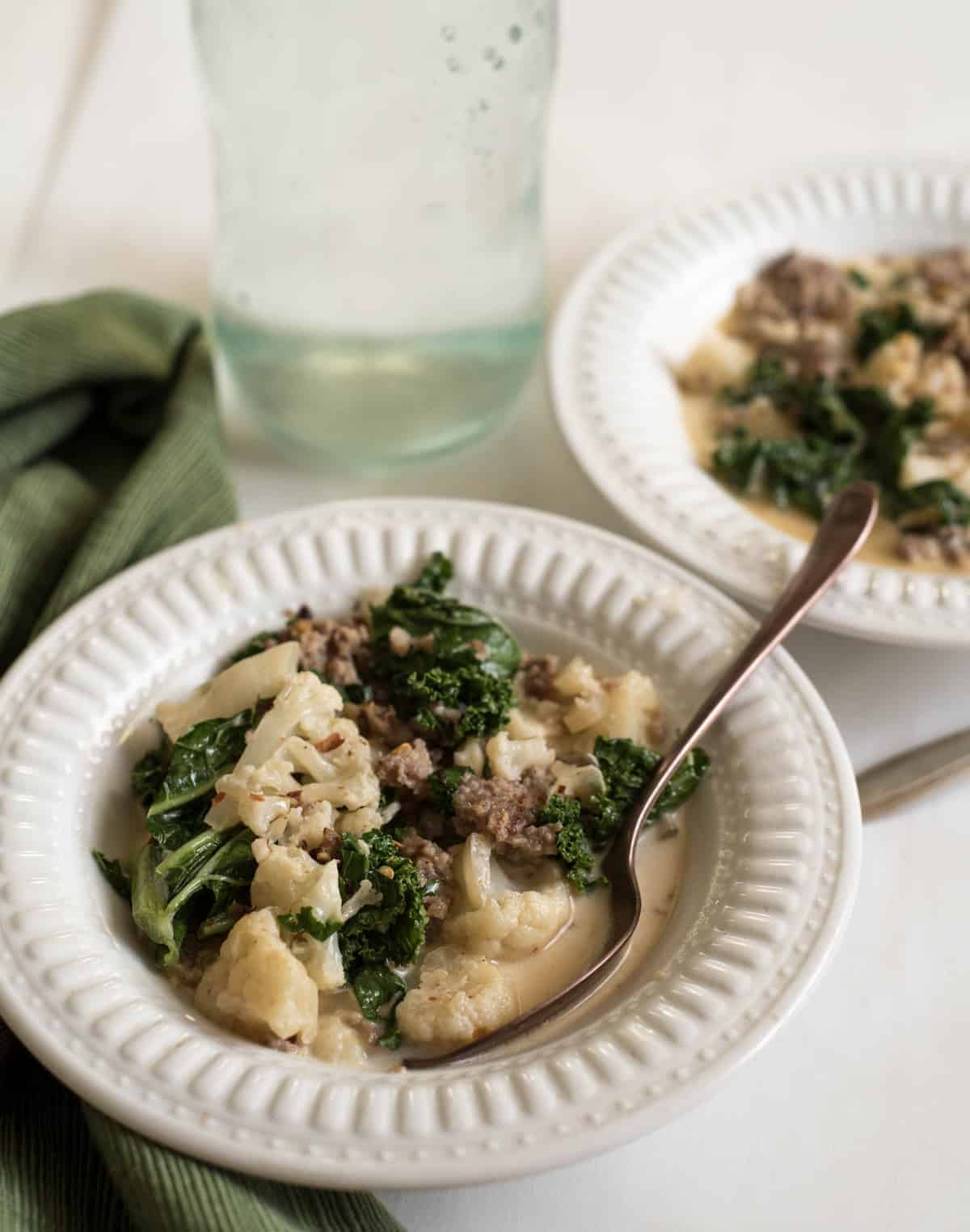 Soups, Stews, & Chowders
Healthy Cauliflower Sausage and Kale Soup
 Life on the Farm
Rcova Builds: House Update (July 2016)
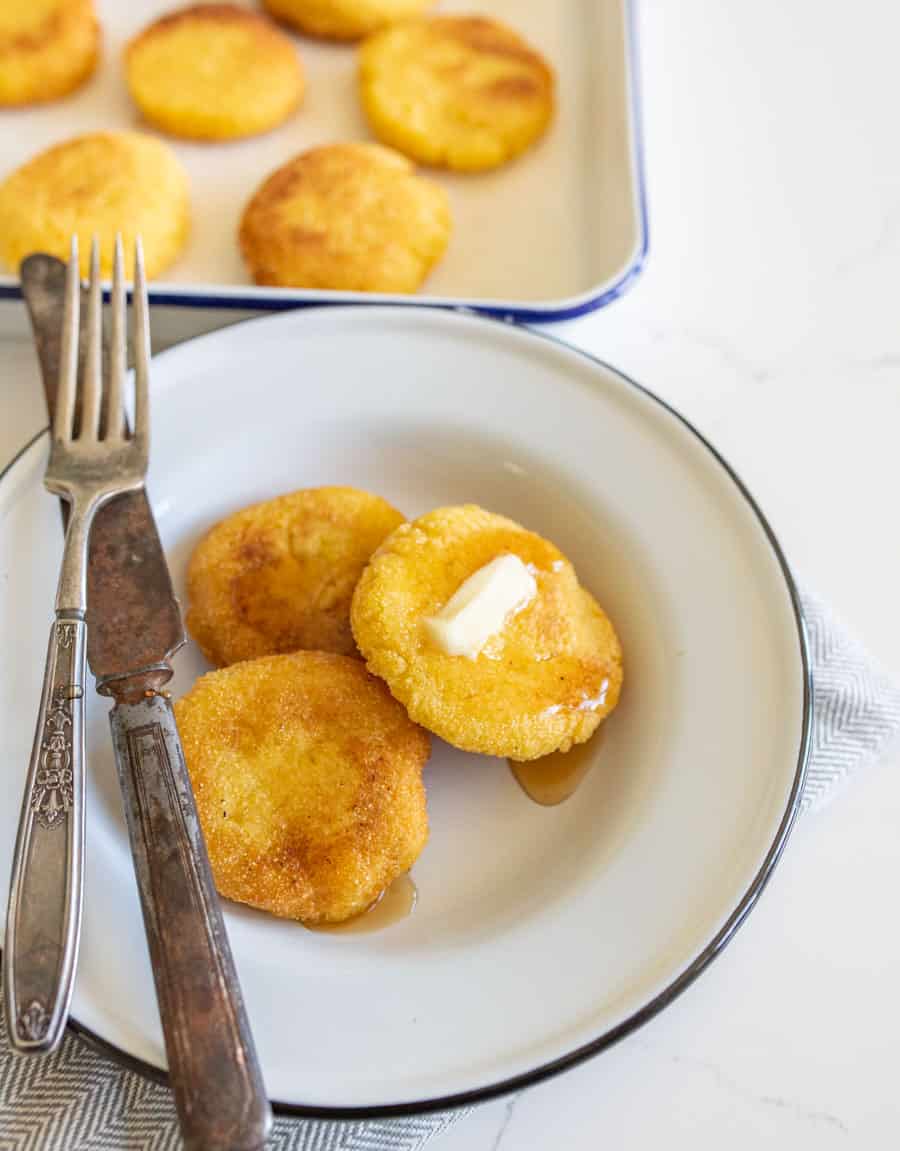 Breads
Hot Water Cornbread
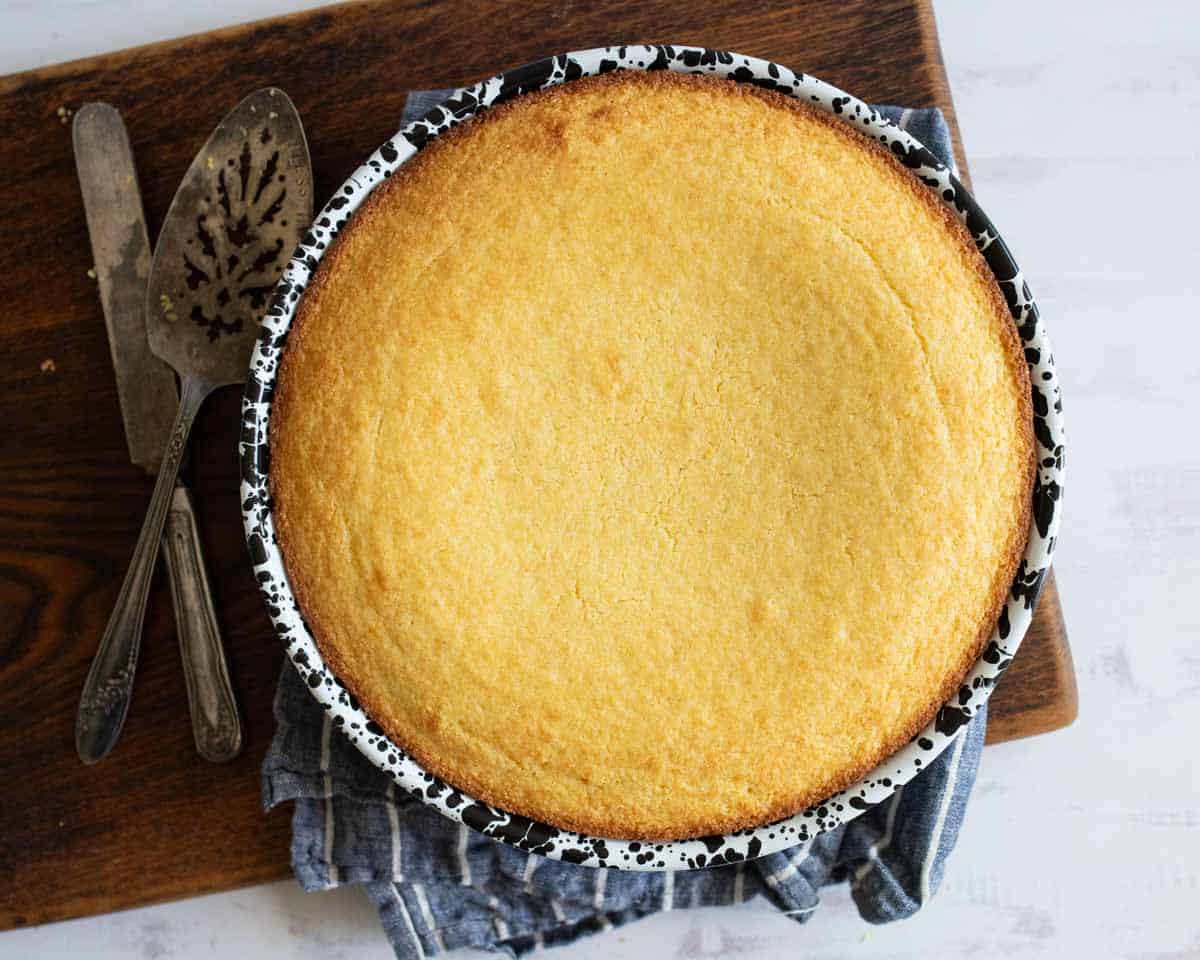 Breads
Best Homemade Sweet Cornbread Recipe – Moist & Fluffy!
 Easy Dinners
Slow Cooker Mongolian Beef
 Easy Dinners