Home Recipes How To Preserve Apples
Recipes
How To Preserve Apples
Discover how to preserve apples and enjoy their fresh-picked flavor all year round — refrigeration to dehydrating, freezing, and canning.
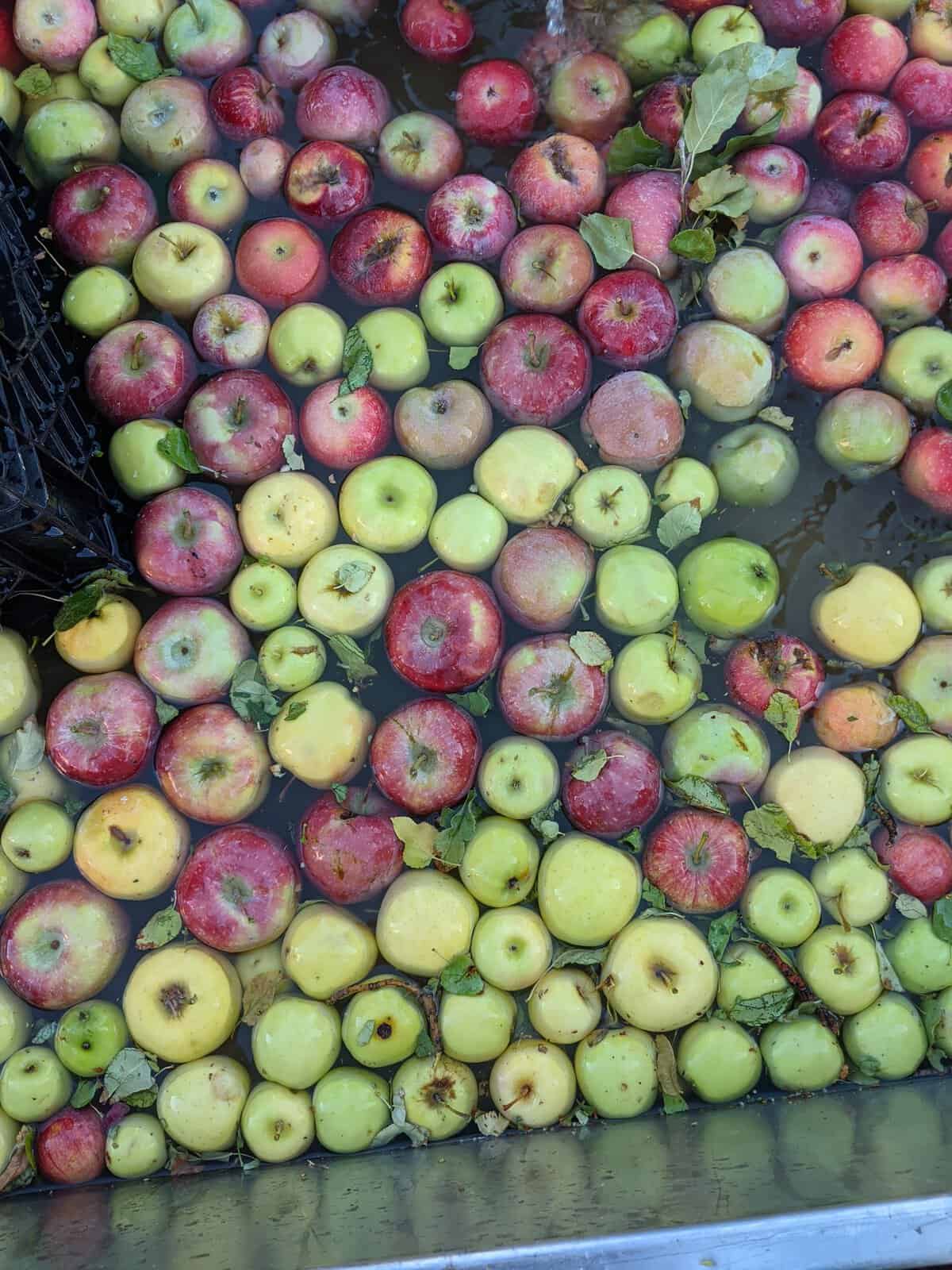
Discoverhow to preserve applesand enjoy their fresh-picked flavor all year round! From refrigeration to dehydrating, freezing, and canning, this useful guide shares helpful tips and instructions for perfectly preserved apples every time.
Preserving Guide: How To Preserve Apples
There’s something truly magical about biting into a perfectly ripe apple—that satisfying crunch followed by sweet-tart juice that makes your taste buds dance! But what happens when your apple trees are bursting with fruit or you’vegone a bit overboard at the orchard?
Let me walk you through all the wonderful ways to preserve those crisp beautiesfor enjoyment all year long.
When To Harvest Apples
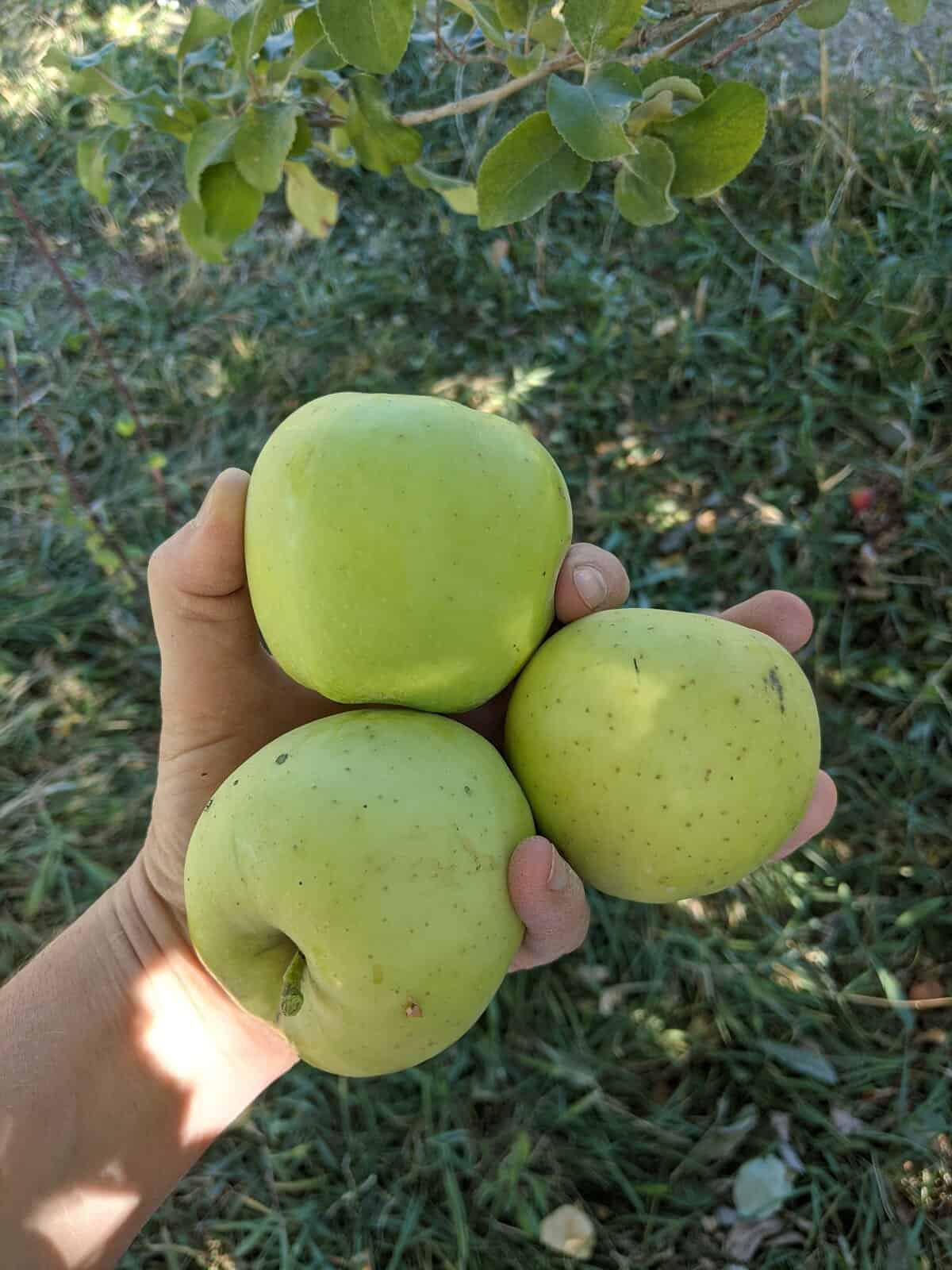
When the fruit is fully colored for the variety.
The fruit should be firm, juicy, and sweet but with some tartness.
How To Store Apples
In the refrigerator
How To Dehydrate Apples
- CUT:Peel and core. Cut into slices or rings about ⅛-inch thick
- DIPPING:inascorbic acidsolution or fruit juice dip
- DEHYDRATOR:6-12 hours
- APPEARANCE WHEN DRY:leathery to crisp; no moist area in center
🍎🫙 Get a free Preserving Guide for all the details to dehydrate, can, and freeze 42 fruits and vegetables —get the FREE GUIDE here!
How To Can Apples
QUANTITY:An average of 19 pounds is needed per canner load of 7 quarts; an average of 12-1/4 pounds is needed per canner load of 9 pints. A bushel weighs 48 pounds and yields 16 to 19 quarts-an average of 2-3/4 pounds per quart.
- Wash, peel, and core apples. Pretreat apples with ascorbic acid. Place drained slices in large saucepan and add 1 pint water. Boil 5 minutes.
- Fill hot jars with hot slices and add hot syrup or water, leaving 1/2 -inch headspace.
- Remove air bubbles and adjust headspace if needed.
- Wipe rims of jars with dampened clean paper towel. Adjust lids and process.
How To Freeze Apples
SYRUP PACK:Use cold 40 percent syrup.
- Add ½ teaspoon ascorbic acid to each quart of syrup to prevent browning.
- Slice apples directly into syrup in container starting with ½ cup syrup to a pint container.
- Press fruit down in containers and add enough syrup to cover.
- Leave headspace (¾inch for pint jars, 1 ½ inches for quart jars).
- Place a small piece of water-resistant paper on top to hold fruit down.
- Seal and freeze.
SUGAR PACK
- Dissolve ½ teaspoon ascorbic acid in 3 Tablespoons water, to prevent darkening. Sprinkle over the fruit. Or, apple slices can be steam blanched for 1 ½ to 2 minutes.
- Mix ½ cup sugar with 1 quart (1 ¼ pounds) of fruit.
- Pack apples into containers and press fruit down, leaving headspace (¾inch for pint jars, 1 ½ inches for quart jars).
- Seal and freeze.
DRY PACK
- Follow the directions for sugar pack, omitting the sugar.
- Treated apple slices can also be frozen first on a tray and then packed into containers as soon as they are frozen.
Expert Tips
- How To Prevent Apple Browning:Dip cut apple pieces in anascorbic acidsolution or a water and lemon juice mixture.
- Make It Easy:Invest in an applepeeler/corer/slicer! This simple tool saves tremendous time when processing large quantities.
- Fresh Is Best:Usefreshly harvested fruitif possible. The fresher your apples are when preserved, the better quality your final product will be.
- Label Everything:Note the apple variety and date on all preserved products — some varieties make better sauce while others are perfect for snacking.
- Rotate Stored Apples:Check stored apples regularly and use any that show signs of softening first.
More Goodies From The Garden
Did you use any of these preserving tips? Leave a note below in the comments or share it onInstagram,Facebook, orPinterest!
More to cook
See the category Desserts
Sweet Potato Bread
 Easy Dinners
Easy Slow Cooker Chili
 Easy Dinners
One Pan Chicken Enchilada Casserole
DessertsChocolate Peanut Butter Oatmeal Cookie Bars
 Easy Dinners
How to Make Chicken or Turkey Broth
 Easy Dinners
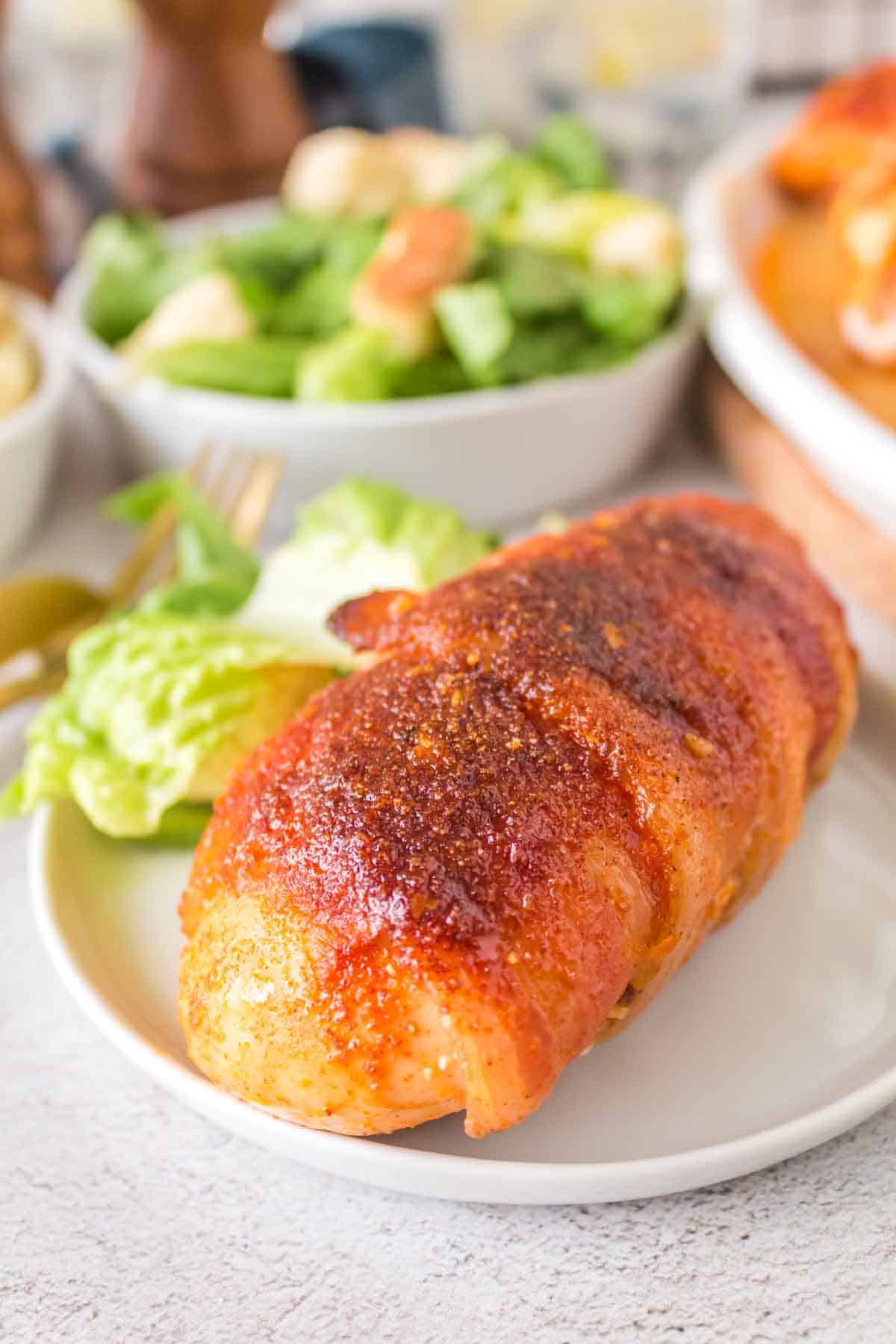
Bacon Wrapped Chicken
 Desserts
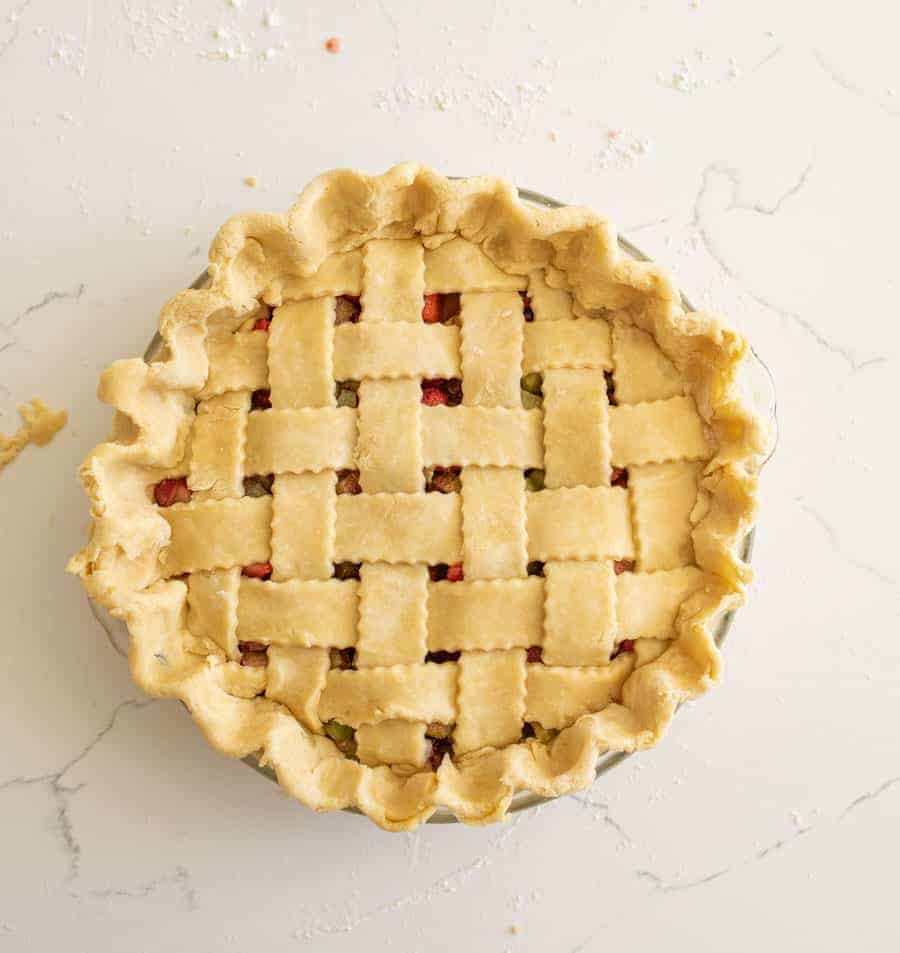
How to Make a Lattice Pie Crust
 Holidays