Home Breads My Favorite Simple & Easy Sourdough Bread Recipe
Breads
My Favorite Simple & Easy Sourdough Bread Recipe
This basic sourdough bread recipe creates the perfect loaf of bread. All you need is sourdough starter, flour, water, and salt.
- Prep10 min
- Cook1 hr
- Total9 hr 10 min
- Serves1 large loaf
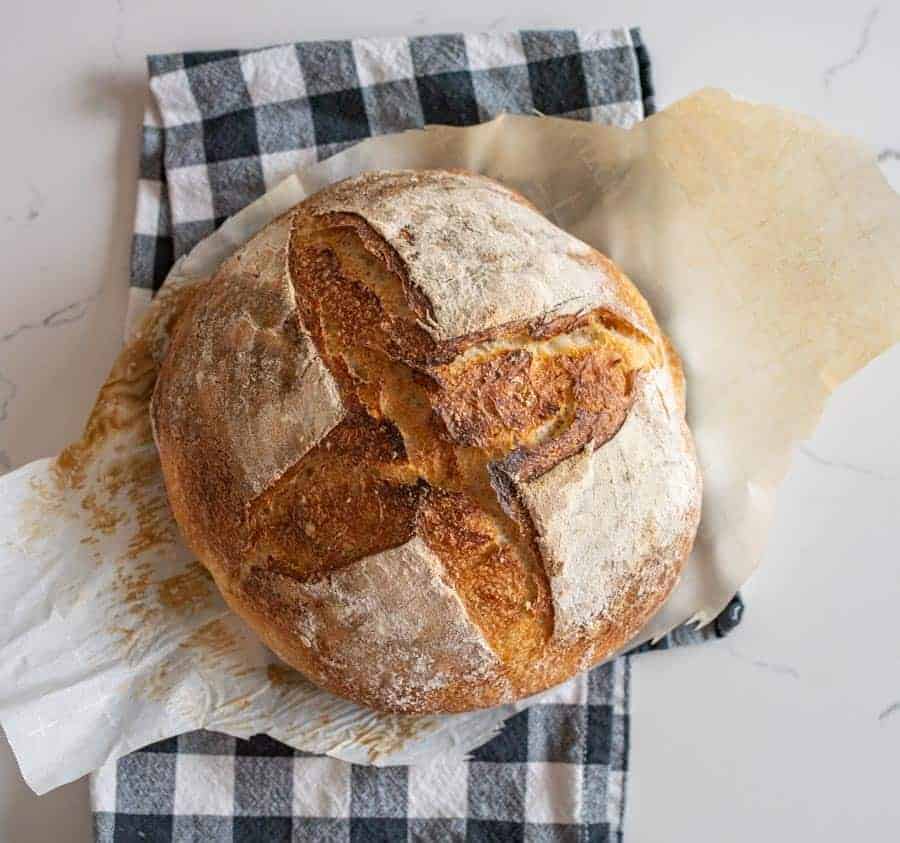
This simple and easy go-tosourdough bread recipecreates a perfectly crusty on the outside, tender on the inside loaf that’s just waiting to be sliced, toasted, and slathered with butter and jam!
I’m here to tell you that sourdough bread baking does NOT need to be fussy or overly complicated. My method for sourdough baking does not include hydration rations, creating an autolyse, or any equipment that isn’t necessary.
It’ssimple and easyfor anyone to get a handle on. This bread is delicious, dipped in mycreamy chicken noodle soupor as the bread on myultimate hummus and veggie sandwich.
When I first started making sourdough bread, I spenta MONTH trying a million recipes and failing over and over again. I made 7 loaves over one week until I got ONE that was kinda right!😂
I didn’t understand enough, and they were too fussy, and, you know, that’s not my style. I tell you that for a few reasons. If it takes you more than one loaf ofhomemade sourdoughbread to get it perfect, that’s normal, butyou also shouldn’t fail for a month trying, and I’m here to help prevent that.
Now, let’s make your first loaf of sourdough bread!
Top Tip:I have SO many sourdough bread tips and tricks in the notes of this post.I highly recommend reading it and watching the video before starting if this is your first time.
Video Tutorial: Make Easy Sourdough Bread
🍞🥖 New to sourdough? Find out how tomake your own sourdough starter here, find my mostpopular and basic bread recipe here, and search thesourdough archive here.
Why You’ll Love This Recipe
- Family Favorite:I love this simple sourdough bread recipe because it generates thebest flavor and textureand will surely please everyone in your home.
- The Smell:Your house will be filled with the aroma of fresh-baked bread!
- Crazy Simple:This recipe only usesfour simple ingredients.
- Make it Your Own:You can customize the dough by using different flours or adding your favorite herbs and spices, making it adaptable to your preferences.
Recipe Ingredients
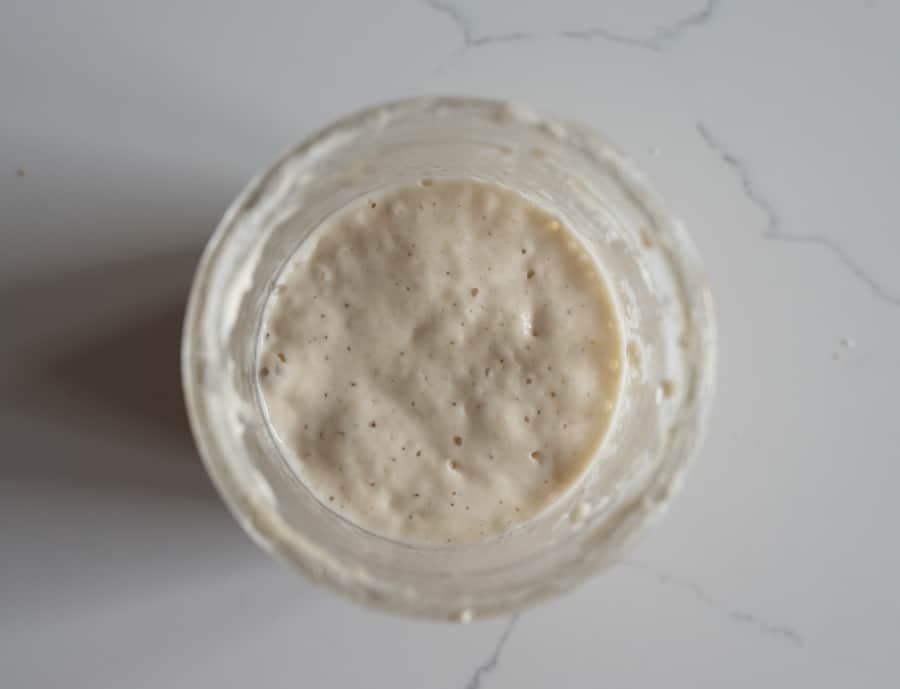
- Active sourdough starter–Making your own sourdough starteris super easy!
- Flour-all-purpose or bread flour
- Warm water
- Salt
See the recipe card below for full information on ingredients and quantities.
Equipment Needed
You can get all kinds of things, but you can make do with what you have at home, too. Here are the minimal items you’ll need:
- A bowl and fork to mix the dough
- A dish towel to cover the bowl with
- Parchment paper for moving the bread to the pan (though foil sprayed with cooking spray works, too)
- An oven-safe pan with a lid (a 4 to 5-quart pan is perfect)
- A sharp or serrated knife to score the top
Things that are nice to have:
- A scale for more accurate measuring
- A Dutch oven with a lid for baking (they trap the heat well and are just so nice to work with)
- Abread-proofing basketinstead of a bowl to let your shaped loaf rise in (it’s kind of fun to have)
- Alame(or razor blade on a stick) is fun to make the marks on top
So you can go basic, and if you get more into it, you can get a few specialty items like the bread basket, aDutch oven, and a lame.
A note on the bread-proofing baskets or banneton:They come in a few sizes and shapes. I’d recommend getting a9-inch round one.I have found that the long or oval loaves don’t fit in anything to bake them unless you have a really large Dutch oven.
What is the Best Dutch Oven for Sourdough?
I have a few favorite Dutch ovens for making sourdough. TheAmazon Basics Dutch Ovenis a great basic option because it’s super affordable at around $60. It has a medium 6-quart capacity and is oven-safe up to 500 degrees F, which is perfect for this recipe. I also love theLe Creuset Dutch oven, which is a splurge, but I find it to be a bit lighter and easier to lift. It will last you a lifetime too and looks absolutely stunning on a stovetop.
How to Make Sourdough Bread
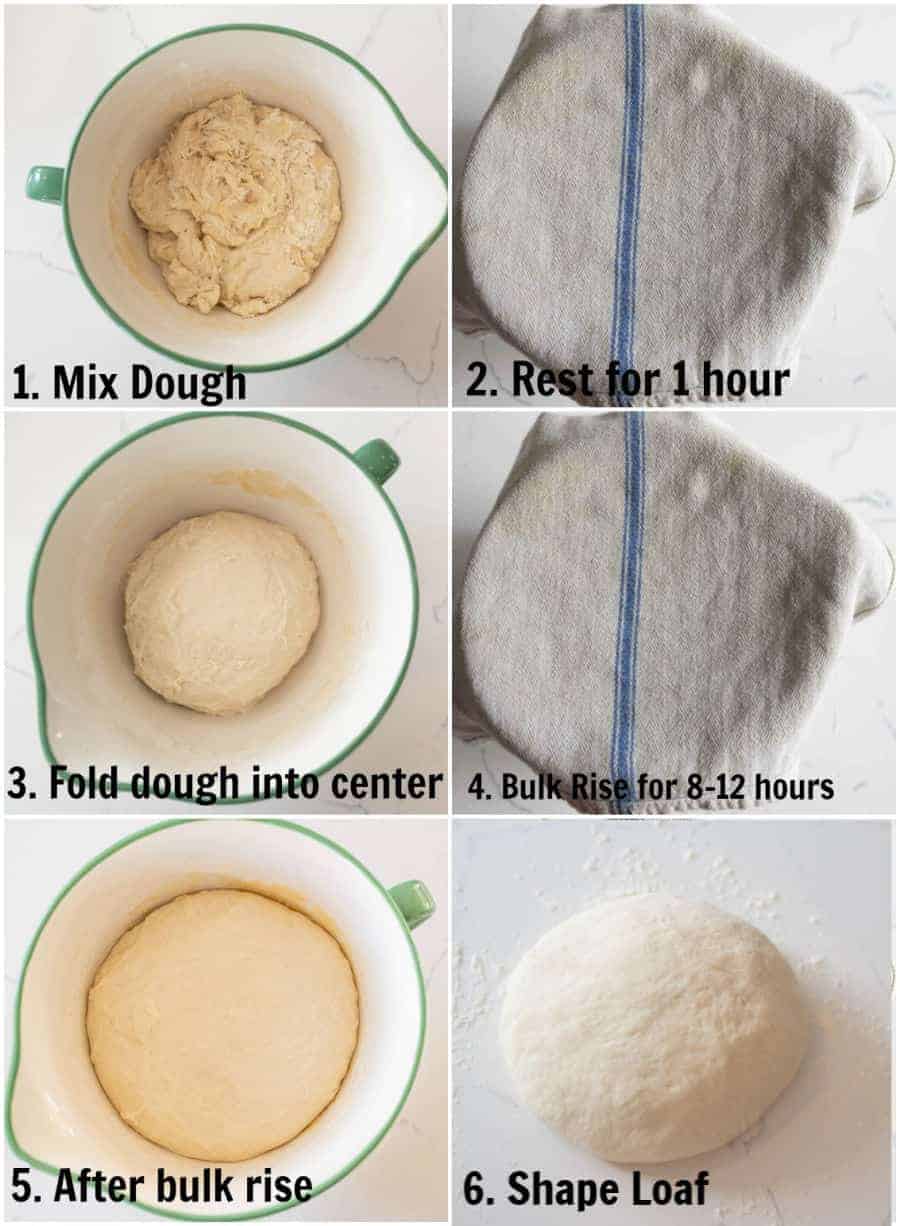
- Combine active starter, warm water, flour, and salt in a bowl. Stir well to form a rough dough. Cover and let it rest for 1 hour.
- After the hour, gently fold the dough edges into the center until it forms a ball. Let it rise for 8-10 hours or overnight.
- Transfer the risen dough onto parchment paper, score the top, and place it in a preheated Dutch oven. Bake covered for 30 minutes, then uncovered for 20-30 minutes.
- Once baked, let the bread cool on a wire rack for 1 hour before slicing. Serve fresh or store leftovers for later use.
Recipe FAQs
What ingredients do I need for sourdough bread?
You only need a sourdough starter, flour, water, and salt. **I have had the best results using unbleached flour and, if you can, organic flour. The natural wild yeasts in the starter seem to do better with these flours. **I use tap water. You might consider bottled or filtered water if your water is highly treated. If you have a lot of chlorine in your water, you can let a glass of water set out overnight, giving the chlorine time to dissipate a bit.
How do I make more of my starter?
Easy—just feed it more! When you are getting it ready for baking, if you’d like to bake more than one loaf or make a recipe that uses more than 50 to 70 grams of starter, feed it double: 100 g water and 100 g flour. If you need even more than that when the starter has peaked, feed it again. Repeat until you have the amount of starter that you need.
How does the temperature of my house affect my sourdough bread?
The temperature of your kitchen will affect how long it takes for your bread and starter to rise after being made or after a feeding. A cooler house will take longer, and bread will rise much faster in a warmer home. It takes longer in the winter for your bread to get ready, and it’ll be faster in the summer. To help even out the temperature, you can use warm water in your starter on cool days or wrap a warm towel around the bowl or starter jar. I’d suggest trying this if you are finding your starter or bread is slow to rise.
How do I revive a neglected starter or store my starter when I’m away or not baking?
Lucky for you, I wrote a giant post all about how to start, keep, and revive a sourdough starter!
Do I need to heat my Dutch oven before I add my bread for cooking?
No! You certainly can, but after a fair amount of testing, I have found that starting my bread at room temperature rather than a hot Dutch oven worked just great, and it was so much easier not to deal with a pot that was 450 degrees and trying to get the bread into it.
Expert Tips
- Active Starter:Ensure yoursourdough starter is at its peakbefore using it in the recipe. Feed it the morning before or at least a2 hours prior to making the dough.
- Pretty Vents:Scoring the top of the doughallows for controlled expansion during baking.
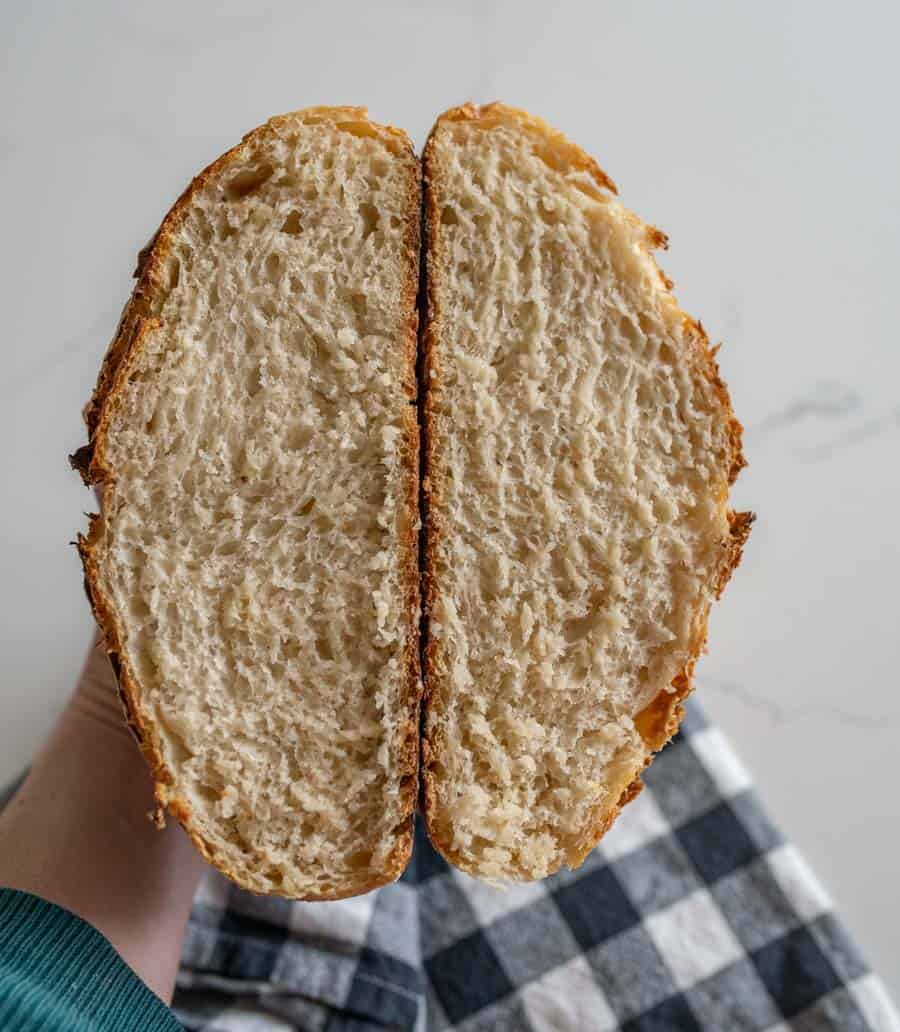
- The Cooldown:Let the bread cool on a wire rack forat least 1 hourbefore slicing and serving.
- Sharing Your Starter:Seemy post on making a sourdough starterfor tips on sharing it with friends and keeping it healthy while not baking.
Testing Flours for Sourdough Bread Recipes
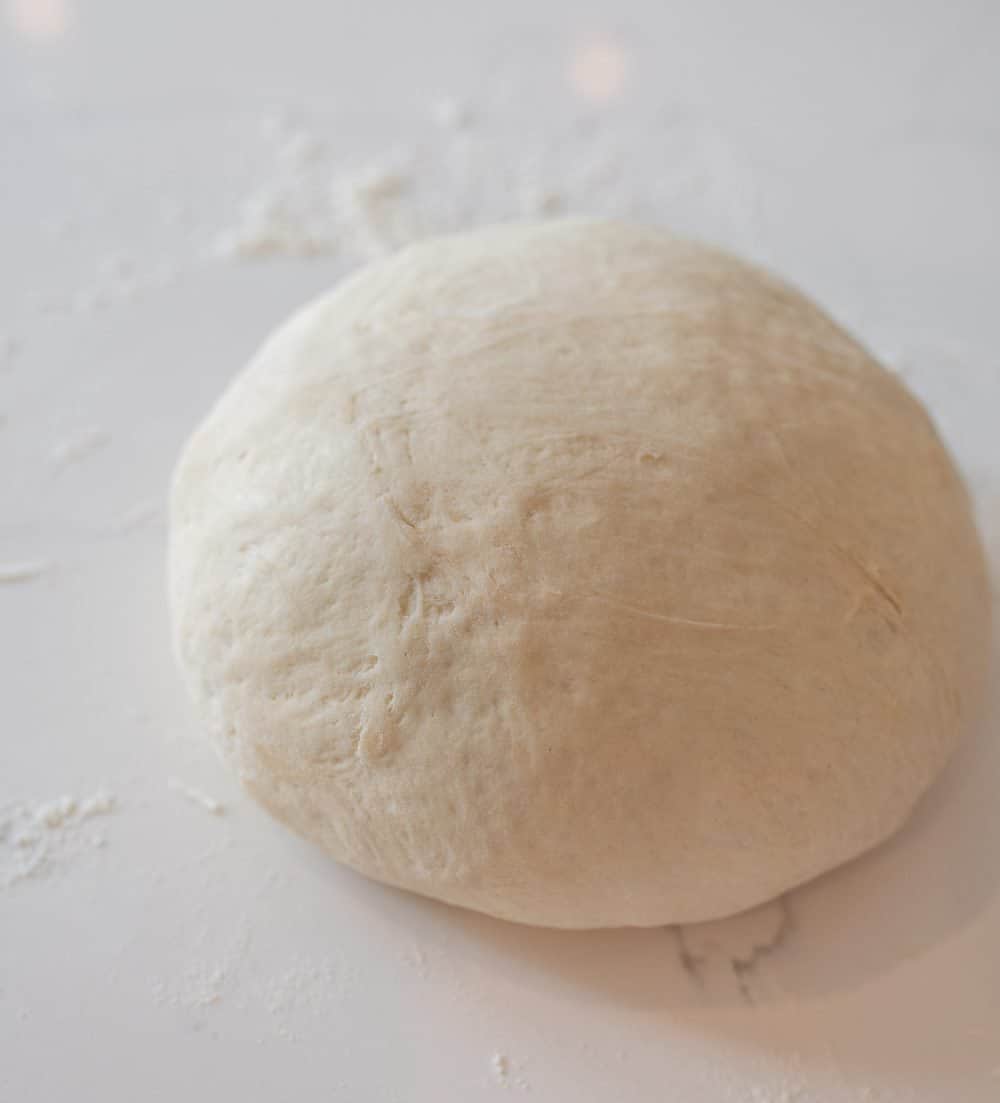
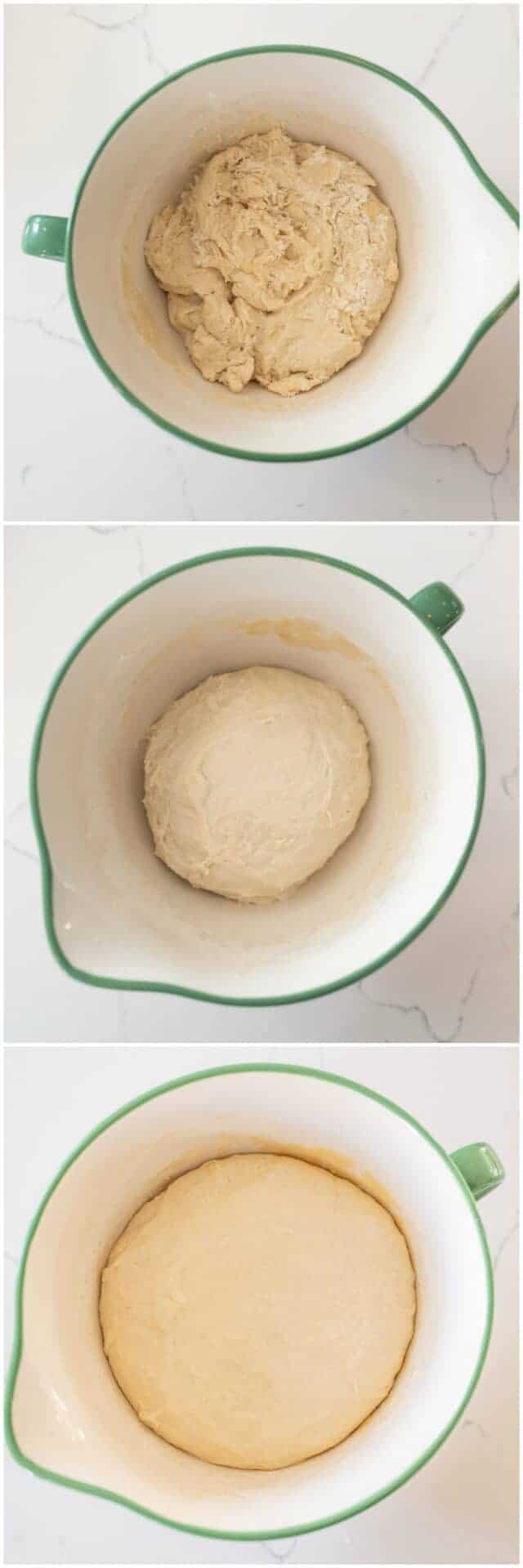
A few people have had issues with their dough being very wet and sticky and will not hold its shape when being worked, turning into a blob of dough when handled and spreading as soon as it’s turned out of the container.
I am finding that there is more variation in the amount of protein and gluten in all-purpose flour than I thought would be the case.I recommend using Bob’s Red Mill or King Arthur all-purpose flour, preferably organic,as it has the most beneficial wild yeasts.I have tested all my recipes using those two flours.
If you have this issue, try reducing the water by 50 grams and/or increasing the flour by 50-100 grams when mixing up the dough the first time.
It’s much easier to make these changes in the beginning instead of adding flour at the end.
Please see the rest of the information in this post for pictures and a video describing an appropriate sourdough bread texture. It’s better if the first mixing is a little on the thicker side rather than wet.
How to Make Sourdough Bread More or Less Sour
To make your sourdough bread more sour:
- Feed your starter whole grains, like rye or buckwheat flour; they make the bacteria happy!
- Keep your sourdough starter thinner byfeeding it less often. The waste that the bacteria make (like the whey in yogurt) is called hooch, and it will make your bread more sour tasting. Stir it in instead of pouring it off, and use the starter after it has fallen instead of at its peak in rise.
- Choose whole-grain sourdough recipes; they’ll taste more sour than all-white flour recipes.
- Let your sourdough bread doughrest longer. The longer it rests, the more sour it gets.
- Younger starters tend to be milder;your starter will get more sour as it develops and ages.
To make your sourdough bread more mild (less sour):
- Feed your starter white flour (like all-purpose); fewer whole grains lend to a milder flavor.
- Useall-purpose flourin your bread recipes.
- Don’t ferment or rest your dough as long. I do an8 to 10-hour first rise, but then I only let it rest for another 1 to 2 hours after it is shaped. If you’d like it more sour, you can rest the shaped loaves for another 8 to 10 hours or overnight.
- Feed your sourdough starter often, pour off any hooch it might make, anduse the starter when it is at its peak.
How to Serve and Store Sourdough Bread
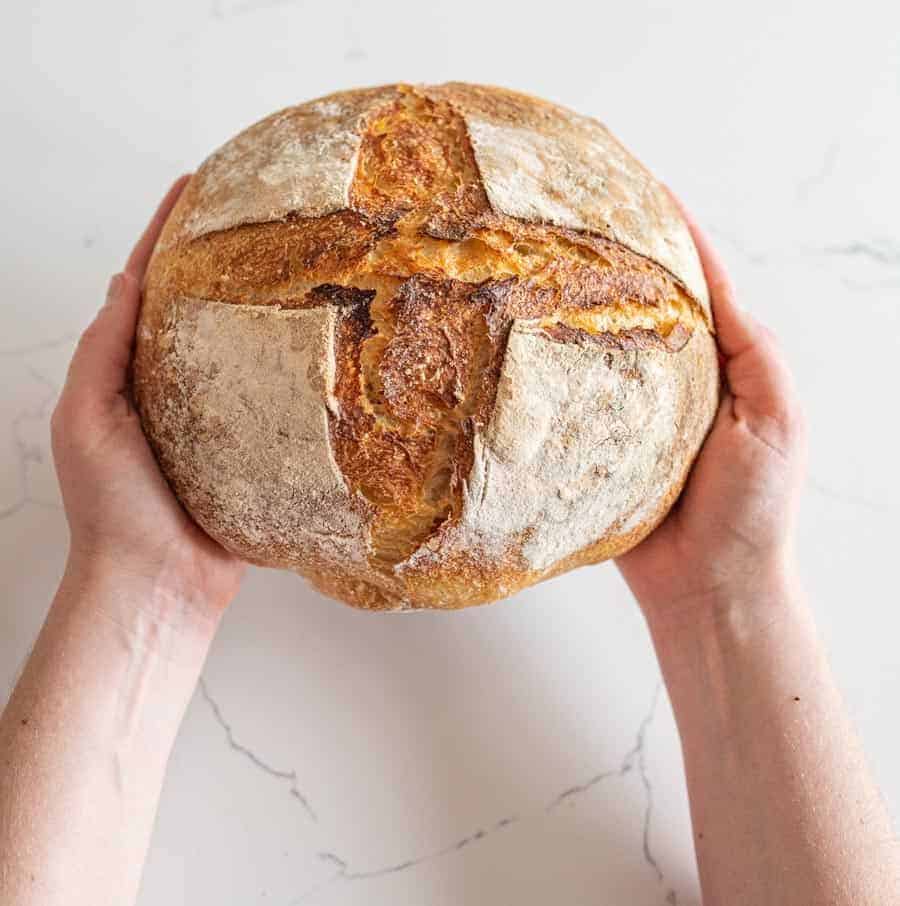
Enjoy freshly baked sourdough bread on the day it’s made for the best taste and texture.
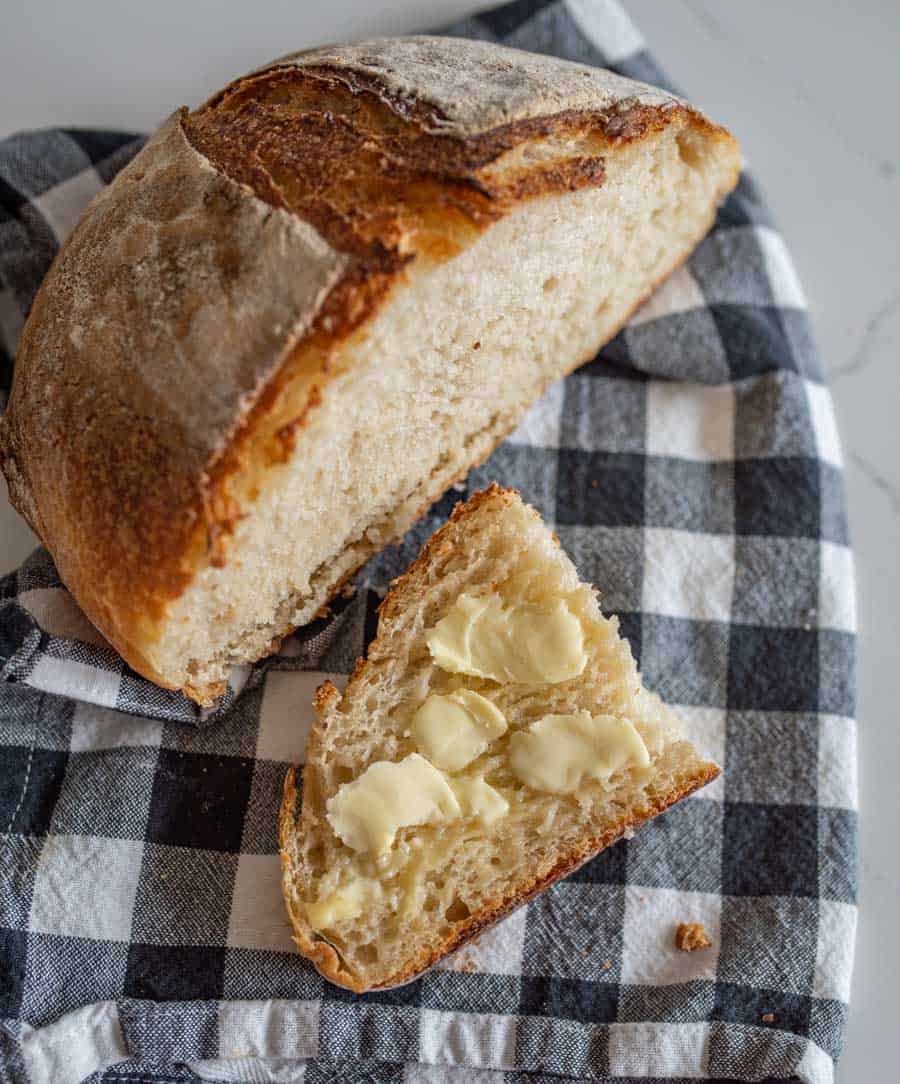
Serve slices of warm bread with butter, olive oil, and balsamic, or your favorite spread.
Sourdough bread also makes delicious sandwiches such asclub,turkey,cucumber, andham saladand is perfect for a grilledMonte Cristo,pesto grilled cheese, orcheese steaksandwich.
Storing at Room Temperature
Once cooled, store leftover sourdough bread in an airtight container or bread box at room temperature for up to 2 days.
Storing in the Freezer
You can store sourdough bread in the freezer. Let the loaf cool completely, then wrap it in foil, and then wrap it well in plastic wrap (or store in a large zipper-topped bag).
When you’d like to eat it, let it thaw at room temperature for 5 to 6 hours. Then, remove it from the plastic and foil. Spritz the loaf well with water (2 to 3 good spritzes!), and then wrap it back up in the foil. Bake at 400 for 45 minutes. It’s almost as good as new.
More Sourdough Recipes to Consider
Did you make this recipe? Leave a⭐️review and share it onInstagram,Facebook, orPinterest!
More to cook
See the category Breads
Parmesan Pretzel Bites with Parmesan Dipping Sauce
 Desserts
Best Chocolate Chip Walnut Cookie Recipe
 Desserts
Nutella S’mores Bars
 Holidays
Easy Homemade Turkey Gravy
 Healthy Living
Currently: Snowy Edition
 Holidays
Free Halloween Boo Poem (Printable)
 Desserts
One Hour Pumpkin Cinnamon Rolls
 Soups, Stews, & Chowders