Home Breads No Knead Sourdough Bread {Easy Beginner’s Recipe}
Breads
No Knead Sourdough Bread {Easy Beginner’s Recipe}
This no knead sourdough bread recipe is the perfect way to enjoy freshly baked bread—an easy beginner's recipe!
- Prep15 min
- Cook50 min
- Total10 hr 5 min
- Serves1 loaf
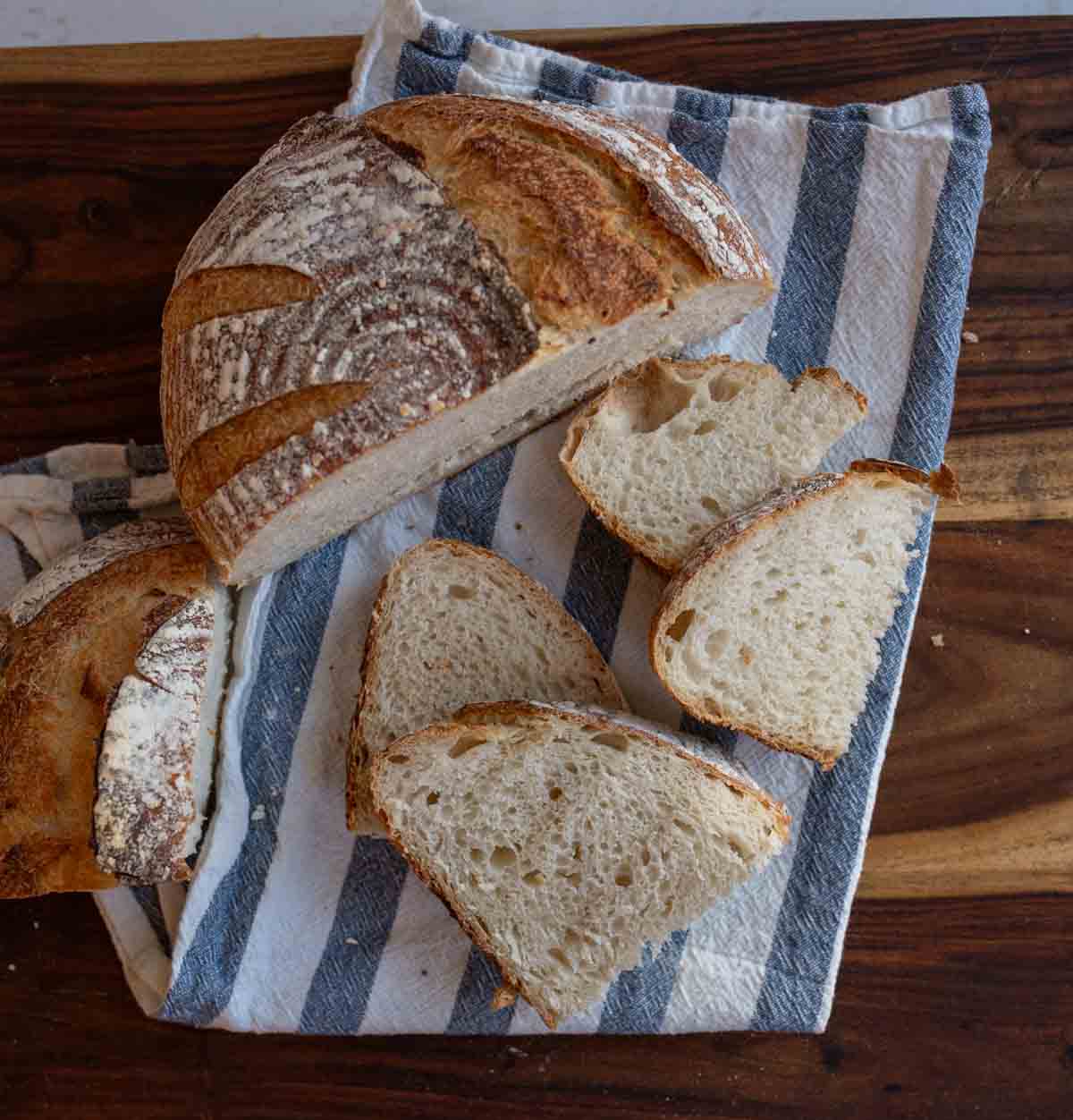
This no knead sourdough bread recipe is the perfect way to enjoy freshly baked bread—an easy beginner’s recipe! Why? Because there is no need to knead!
Thisbasic sourdough recipeworks through an extended fermentation time, which builds flavor. A simple mix-and-wait approach makes this recipe accessibleeven for beginners.
’s Note:The whole thing with this recipe is that it’s SO easy youDON’T HAVE TO STRETCH AND FOLD, which is a big deal in the sourdough world. Please believe me when I say this is super easy and perfect for beginners!
Time, a good sourdough starter, and the protein and gluten in the bread flour are enough to make this agorgeous loafwith basically no hands-on time; it’s so simple.Follow along for a flexible, forgiving, and irresistibly delicious recipe!
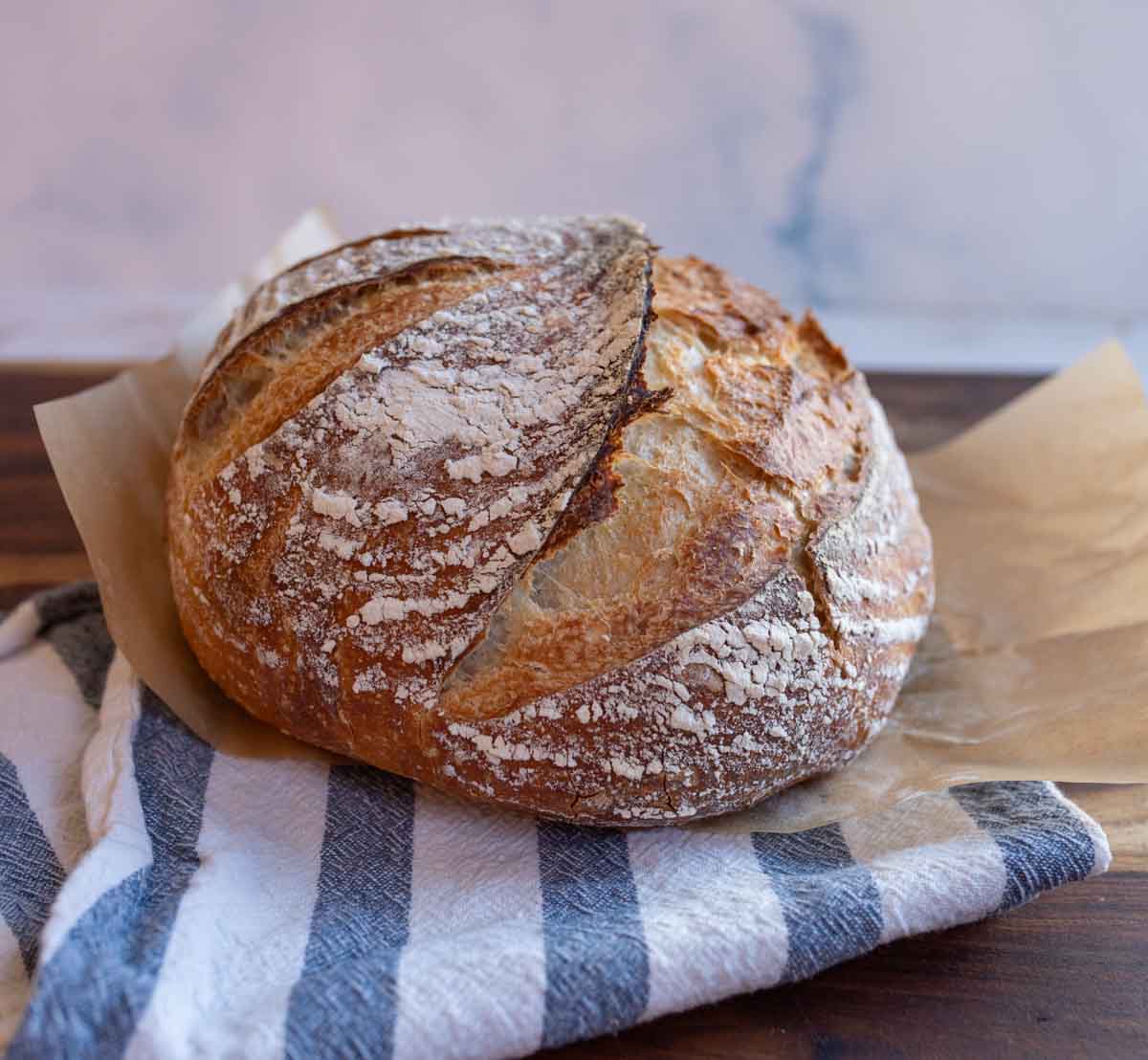
Why You’ll Love This No Knead Sourdough Bread Recipe
- No Knead:Seriously, there’s no kneading required for this recipe—just mix, rise, and bake!
- Perfect for Beginners:Maybe you’ve been brave enough to get your firstsourdough startergoing but then weren’t quite sure what to do with it. I say to make this super simple bread!
- Very Yummy:Just because it’s so easy does not take away from the class sourdough flavor we love. It’s really a very yummy recipe.
🍞🥖 New to sourdough? Find out how tomake your own sourdough starter here, find my mostpopular and basic bread recipe here, and search thesourdough archive here.
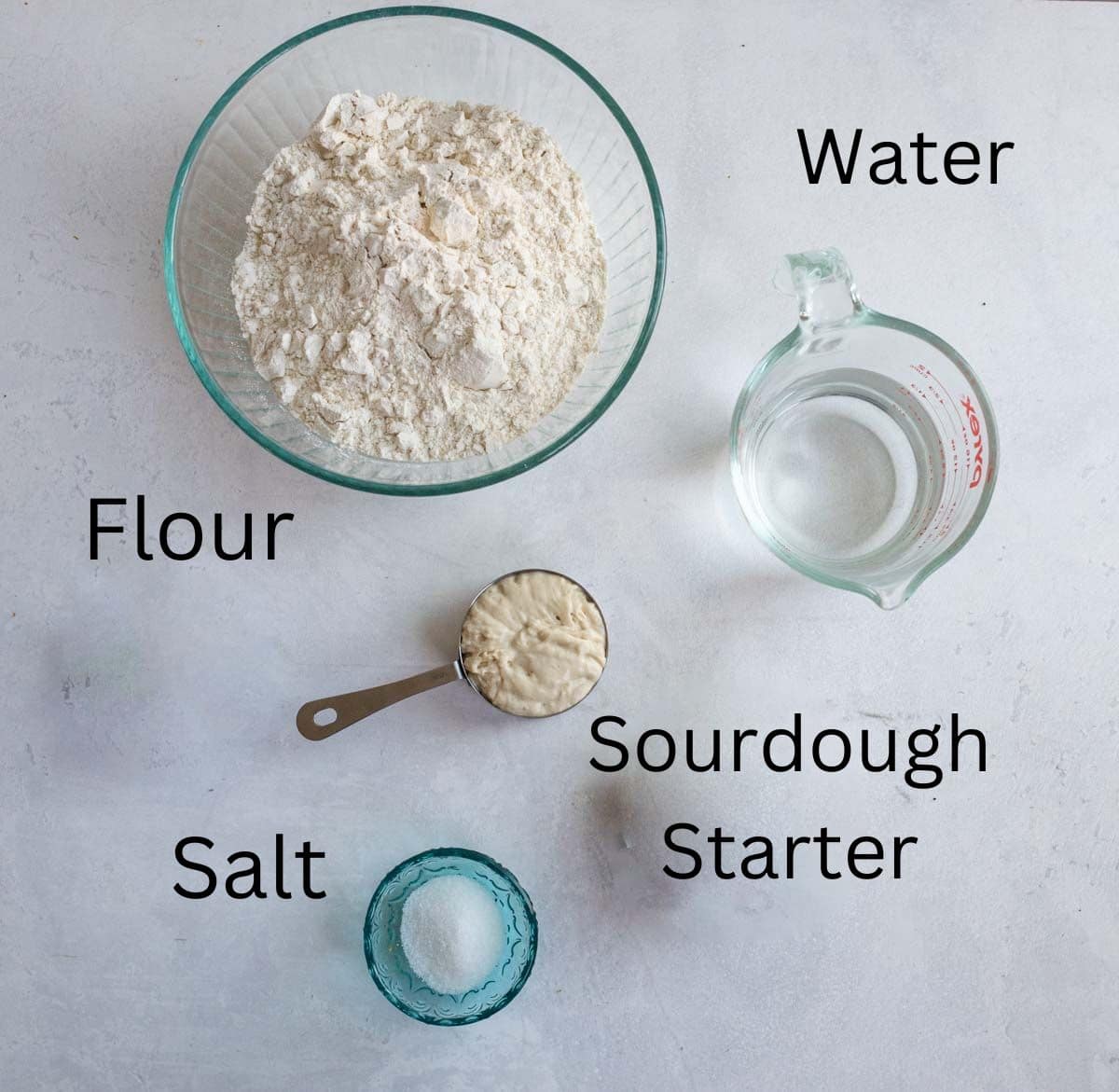
Recipe Ingredients
- Bubbly activesourdough starter
- Water
- Bread flour
- Fine sea salt
See the recipe card below for full information on ingredients and quantities.
How to Make No-Knead Sourdough Bread
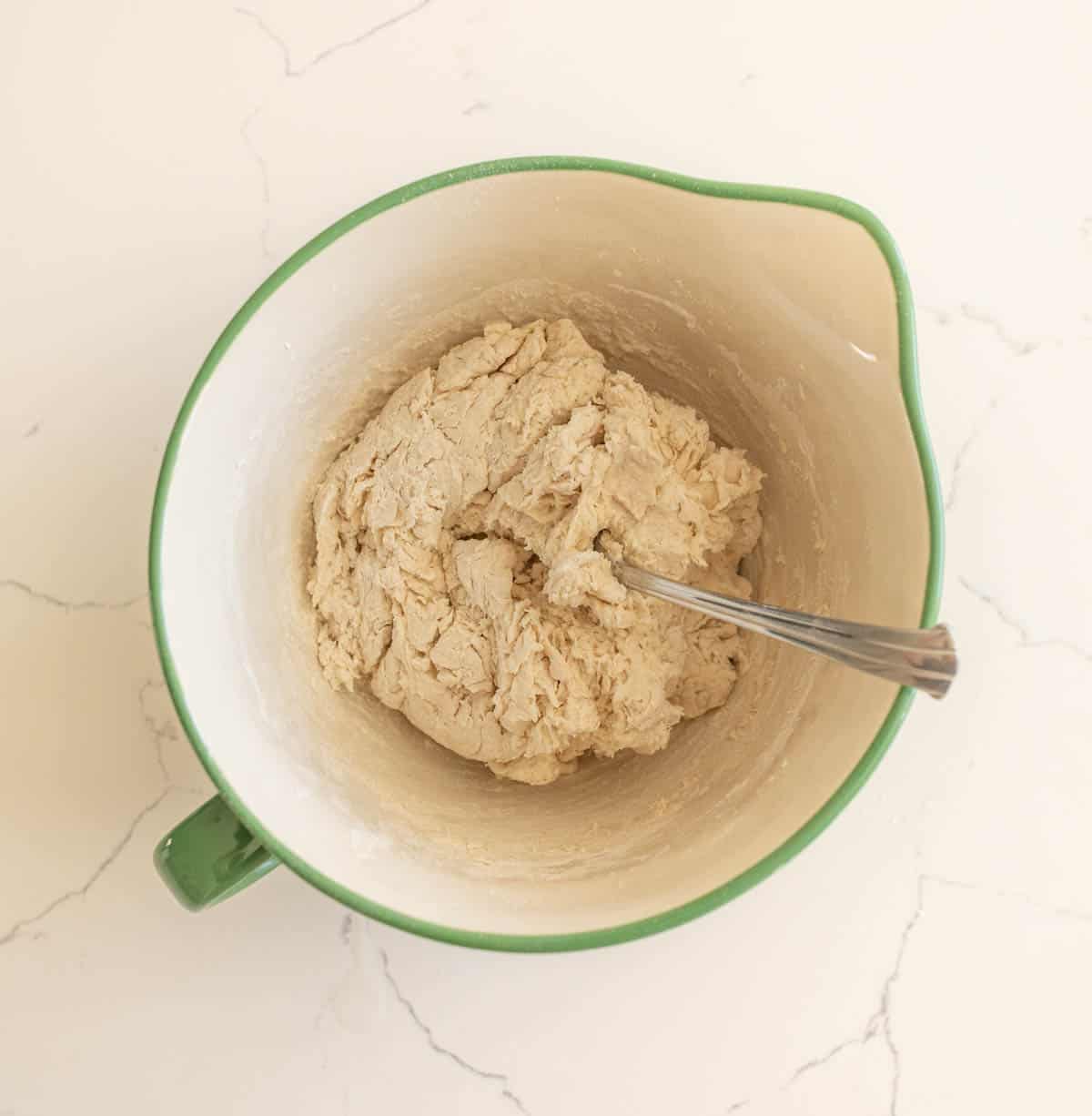
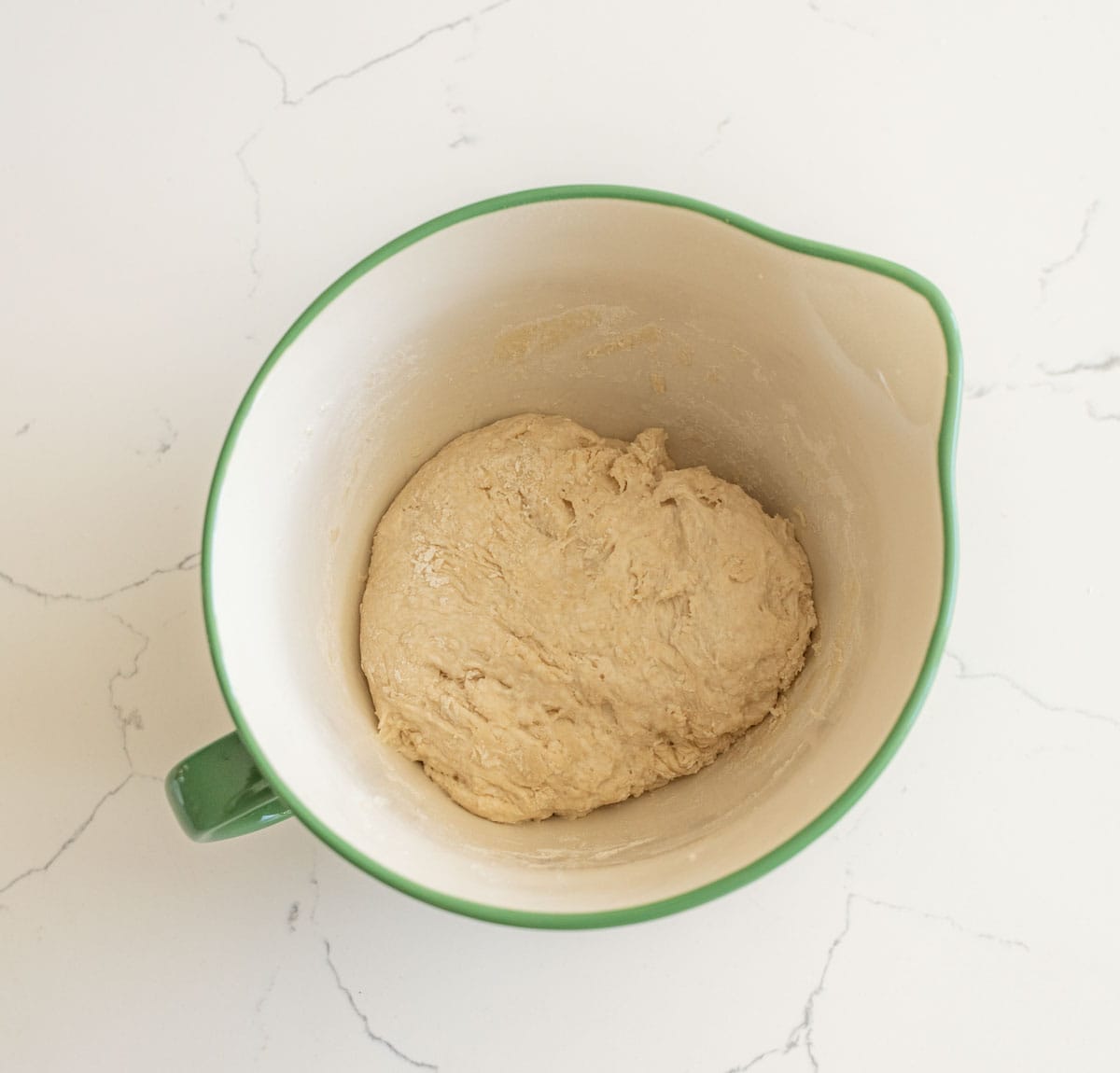
Step 1:Combine the active starter with water, stirring well with a fork. Add the flour and salt. Mix with a fork until the ingredients are combined. The dough will look rough and sticky, which is perfectly fine.
Step 2:Let the dough rest for 10 minutes and then stir it one more time. There should be no dry spots and it should look like traditional bread dough.
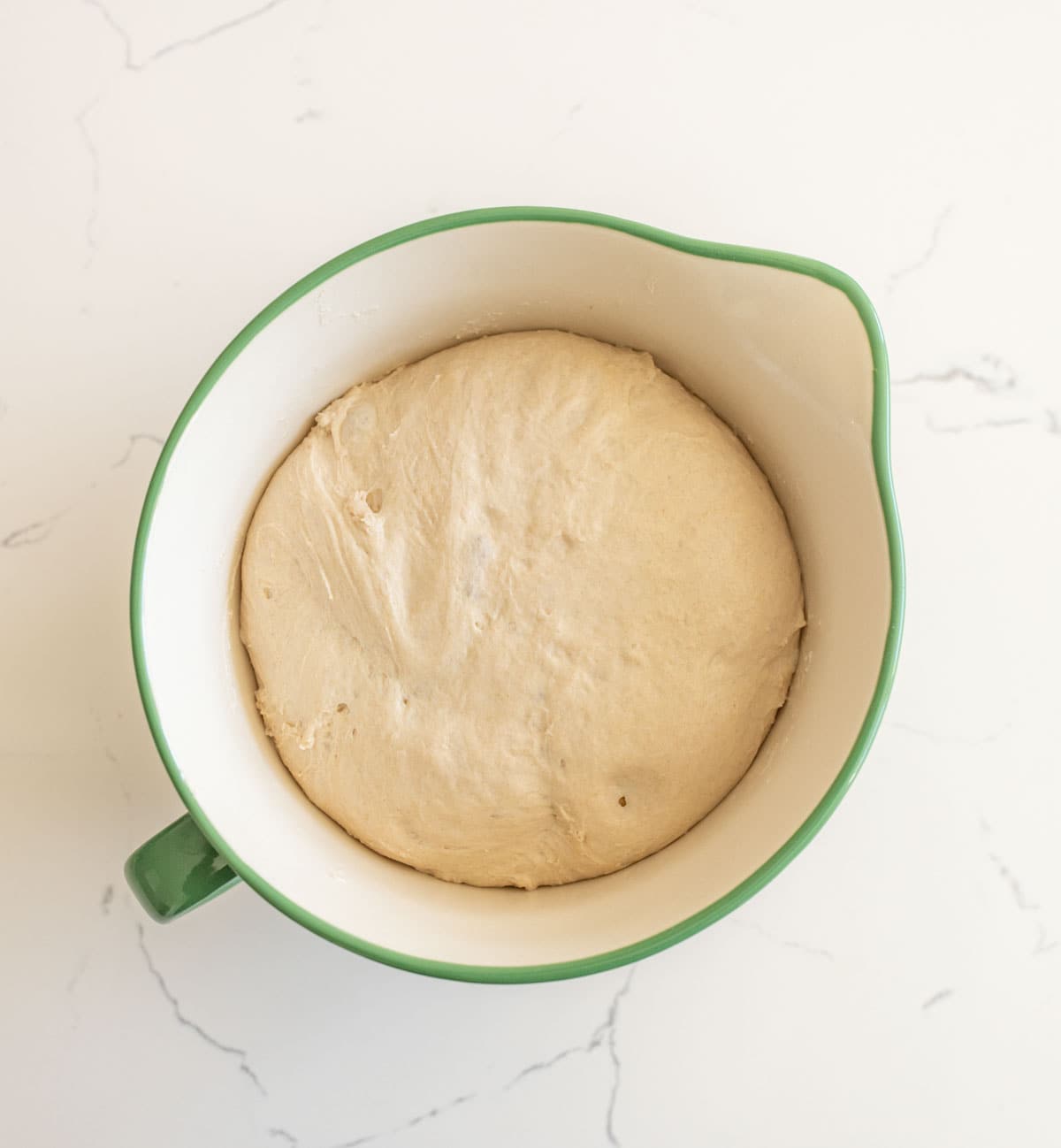
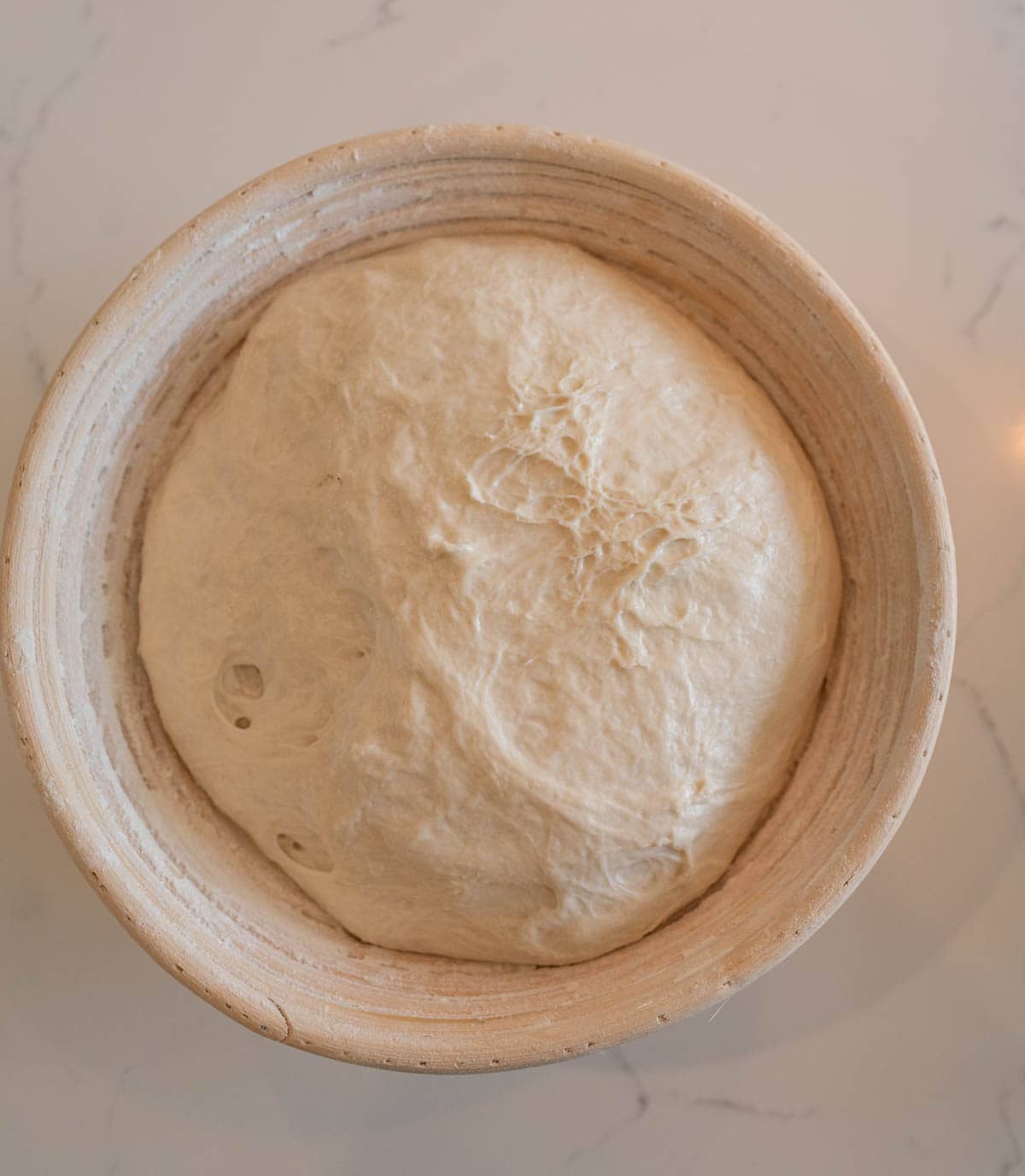
Step 3:After the initial rest, cover the bowl again and let the dough ferment for 8-18 hours at room temperature. This is the bulk rise, allowing the dough to develop flavor and structure. An overnight rise is generally the easiest timer for most bakers.
Step 4:Shape the dough on a lightly floured surface and let rest for 5-10 minutes. Place the dough ball, smooth side down, into a proofing basket or bowl. Cover with a damp towel and rest for 1-4 hours at room temperature until it spreads slightly and looks puffy.
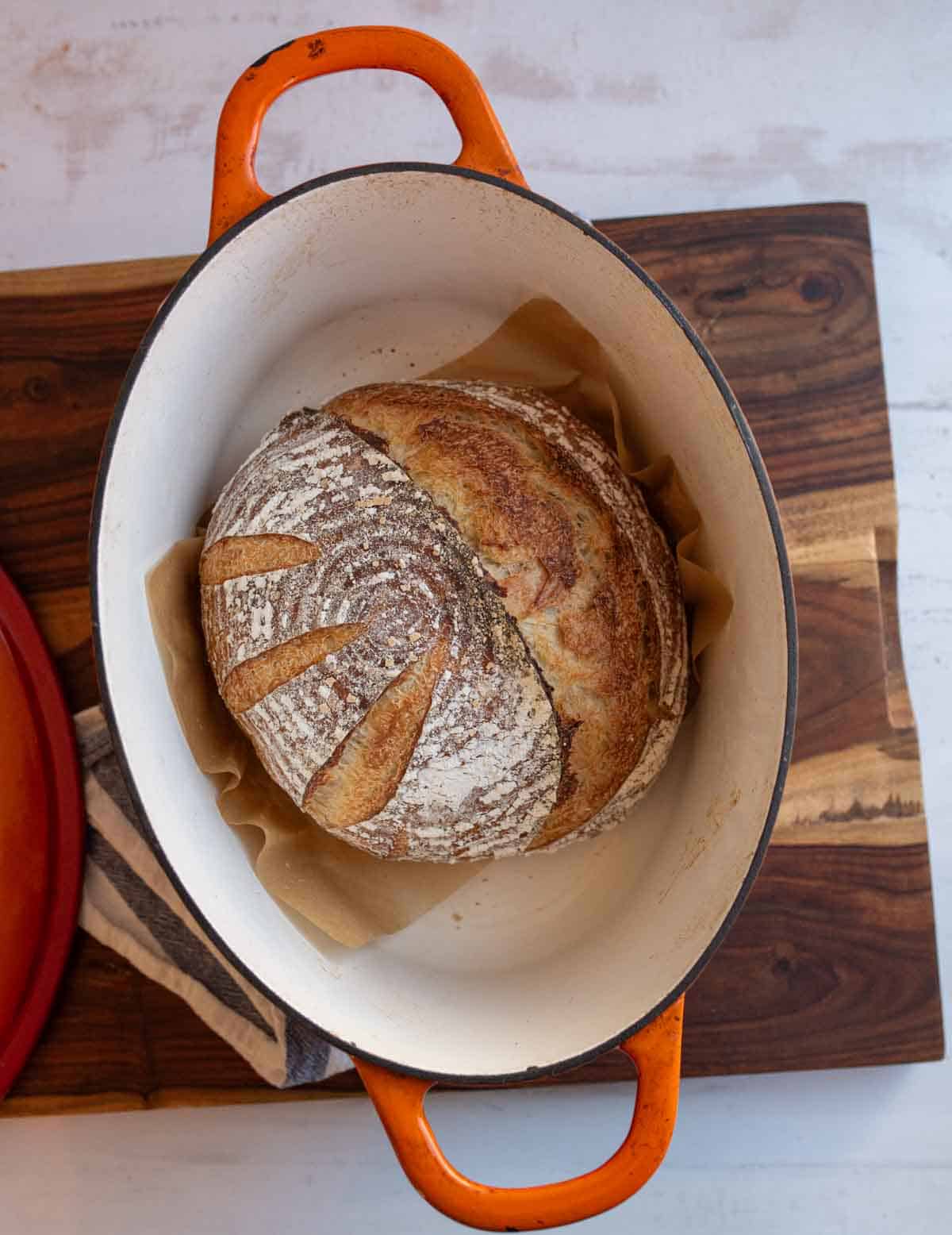
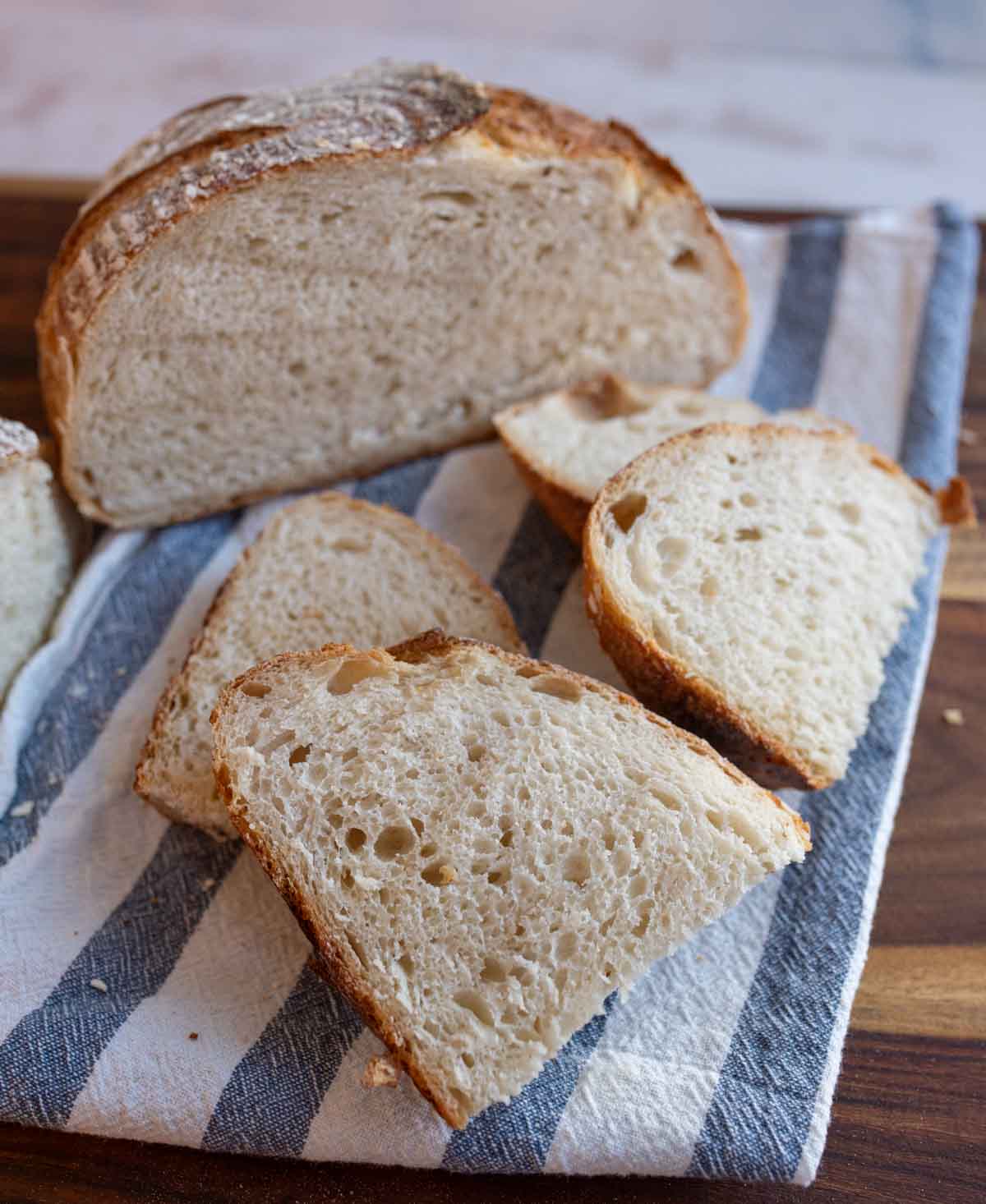
Step 5:Preheat your oven to 450°F (230°C). Turn the dough onto parchment paper, score the top, and transfer to a preheated Dutch oven with the lid on. Bake covered for 40 minutes, then remove the lid and bake for another 10-15 minutes until dark brown and hollow-sounding when tapped.
Step 6:Remove the bread from the oven, transfer it to a wire rack, and let it cool for at least 1 hour before slicing.Enjoy the bread fresh, or use leftovers for toast and sandwiches!
Recipe FAQs
What if my dough is too sticky to handle?
If the dough is extremely sticky after the longer rest period you are going to need to knead a bit. Simple work in extra flour to your desired texture or workability. There’s no issue with adding more flour.
How should I store my bread?
Keep sourdough bread at room temperature in a plastic bag for up to 3 days, or freeze it for longer storage. If you need to refresh the crust, toast the slices or warm the loaf in the oven.
How can I keep the bottom crust from getting too dark?
Try baking at a slightly lower temperature (425°F) or placing the Dutch oven on a baking sheet to reduce direct heat to the bottom of the loaf.
Expert Tips
- For a Crisp Crust:Keep the lid on during the initial bakingstage to trap steam, which helps create a crispy, blistered crust.
- Control the Flavor:A longer bulk rise will develop a more complex, slightly tangy flavor, while a shorter rise results in a milder taste.
- Perfect Scoring:Scoring the dough (making cuts in the top) helps control where the bread expands in the oven, resulting in a more beautiful loaf. Use a very sharp knife or a lame.
- Cooling for Best Texture:Let the loafcool for an hourto allow the structure to set fully, making it easier to slice.
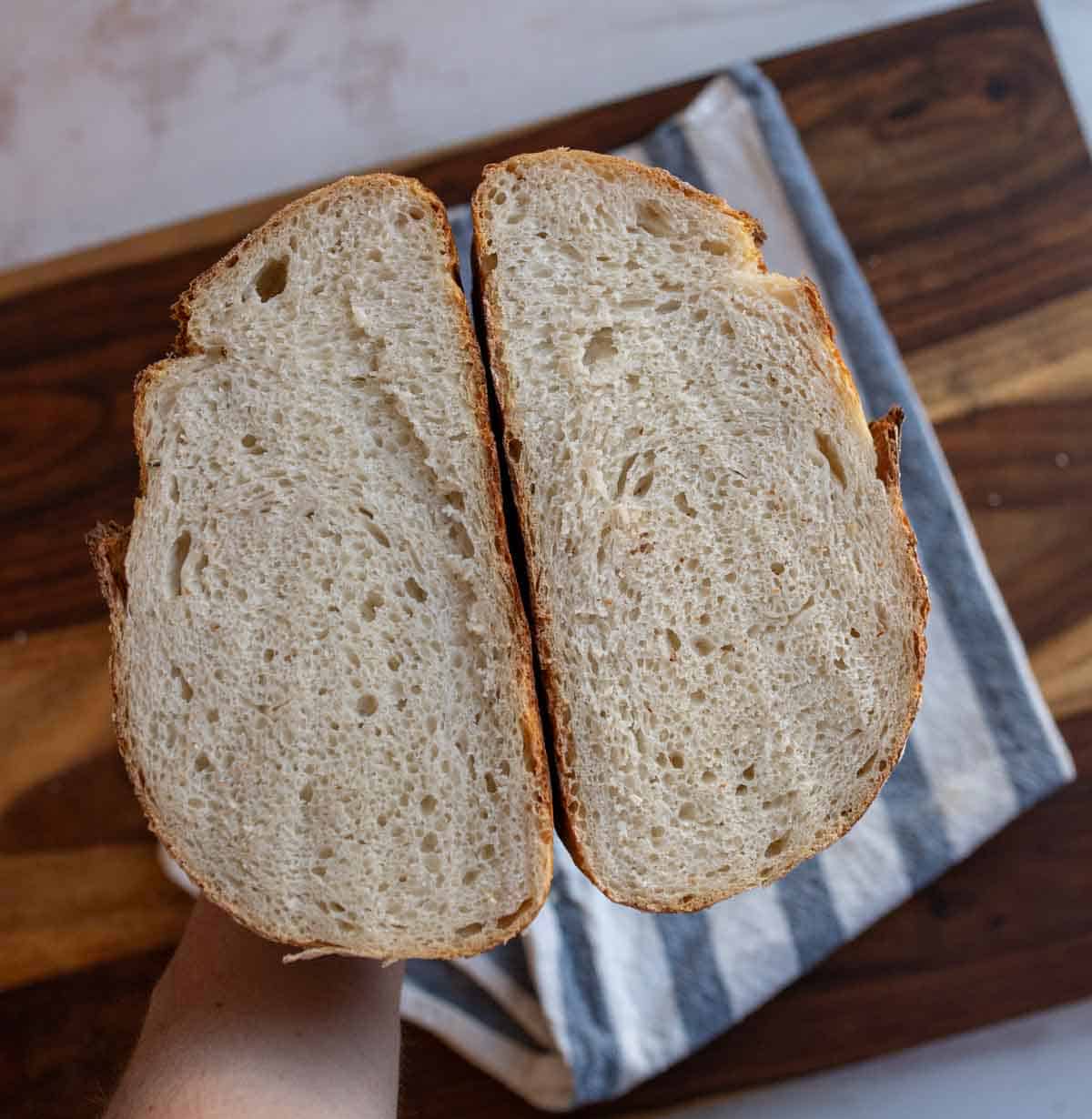
Other Sourdough Breads To Try
These are some of my other dare-I-sayamazingsourdough recipes that have become family favorites!
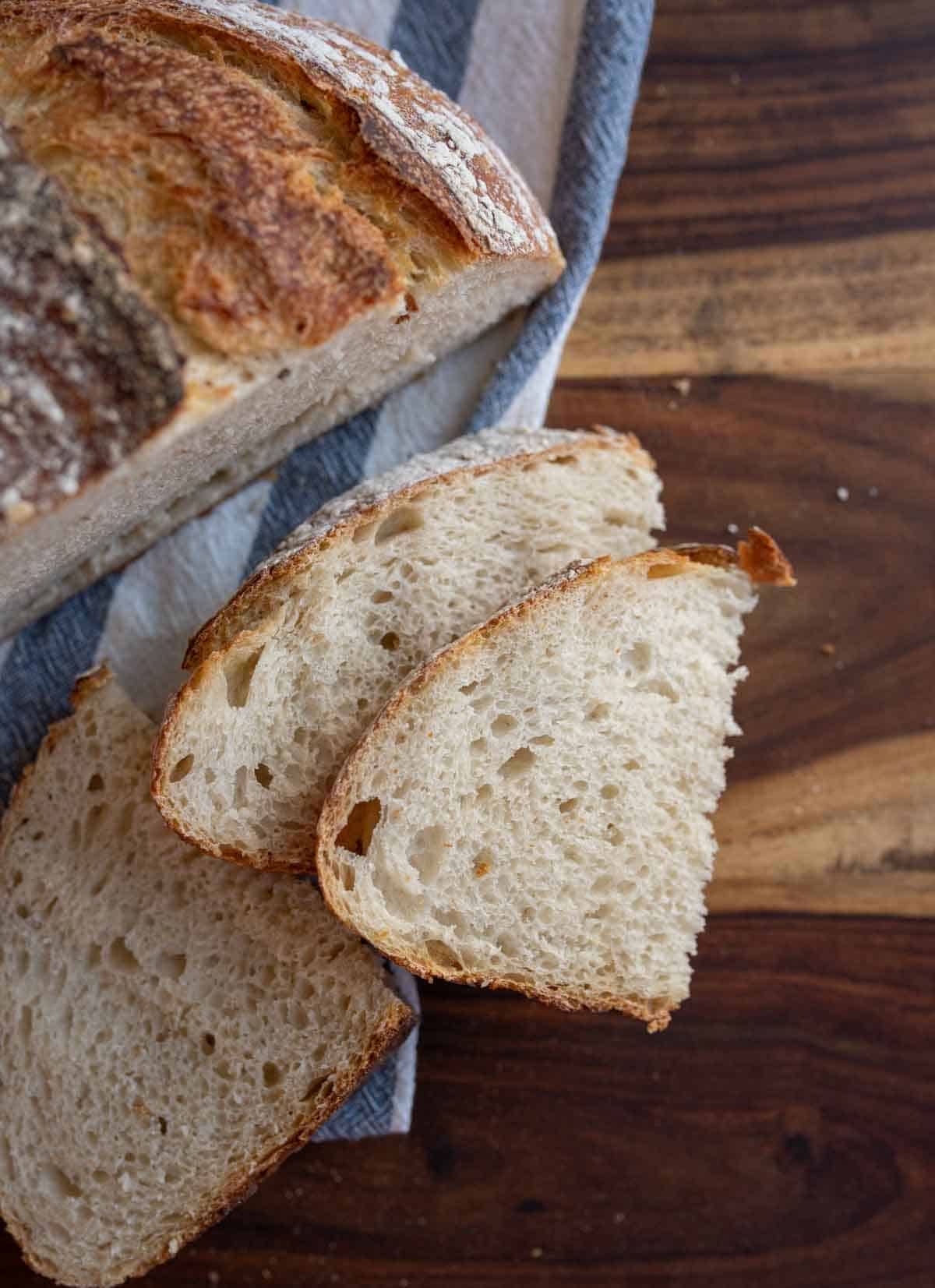
More Bread Recipes to Consider
Did you make this recipe? Leave a⭐️review and share it onInstagram,Facebook, orPinterest!
More to cook
See the category Side Dishes and Salads
Twice-Baked Potatoes with Bacon
 Desserts
The Best Chewy Chocolate Chip Cookie Recipe
 Recipes
How To Preserve Pears
 Easy Dinners
4-Ingredient Honey Mustard Baked Chicken Legs
 Easy Dinners
Cheesy Chicken and Broccoli Stuffed Spaghetti Squash
 Easy Dinners
Perfect Oven Baked Chicken Thighs (Easy Recipe!)
 Desserts
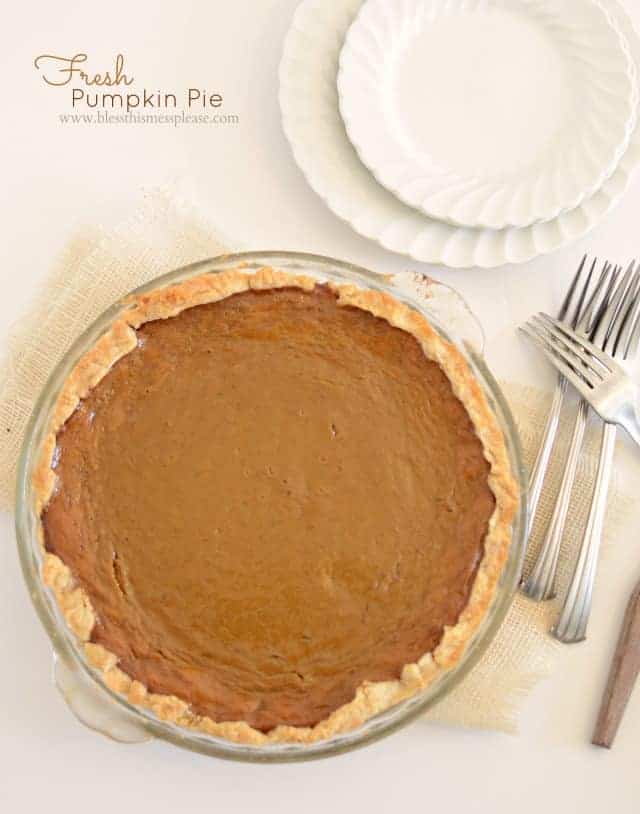
Pumpkin Pie from Fresh Pumpkin
 Recipes Organized by Cooking Equipment